
(An Autonomous Body Recognized by Ministry of Commerce & Industry, Government of India)
Competency based placement focussed Education | Training | Research | Consultancy

C-6, Qutab Institutional Area, Near Old JNU Campus, New Delhi-110016
Regular | Part-time (Online Live Classes) Modes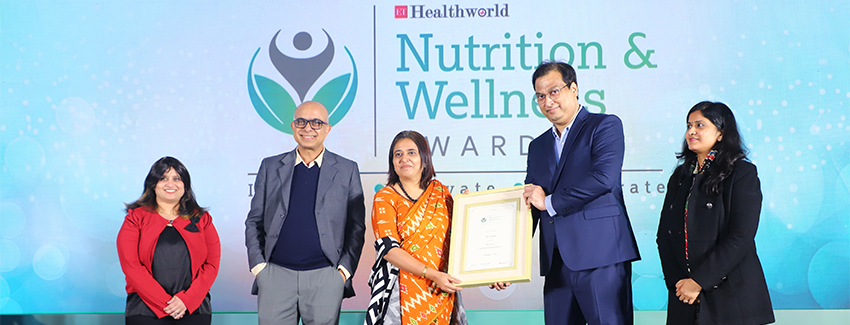








Post Graduate Diploma/ Executive Diploma in Forensic Regulatory Affairs (PGFRA/EFRA)
The PG Diploma / Executive Diploma in Forensic Regulatory Affairs is a specialized, high-level programme designed to bridge the gap between forensic practice, international quality standards, and the legal mandates of the justice system. While forensic science focuses on the analysis of evidence, Forensic Regulatory Affairs ensures that such analysis is conducted within a framework of accountability, standardization, and global compliance.
Programme Overview
The programme provides an in-depth exploration of the regulatory landscapes governing forensic laboratories both in India and internationally. It integrates the technical requirements of ISO/IEC 17025 and 17020 with the administrative oversight of bodies like the Directorate of Forensic Science Services (DFSS) and NABL. Students will gain a masterly understanding of how forensic results transition from the laboratory bench to the witness stand through the lens of strict quality management and "Standard Operating Procedures" (SOPs).
Global and Digital Governance, a cornerstone of the curriculum is the comparative study of global models, including the UK Forensic Science Regulator (FSR) codes and US admissibility standards along with other countries. As crime evolves, the programme addresses the burgeoning field of Digital Governance, tackling the regulatory challenges of cyber forensics, AI ethics, and data protection laws like the GDPR and India’s DPDP Act. Risk Management and Financial Oversight, moving beyond the traditional lab, the course delves into Forensic Accounting and Financial Regulation, preparing professionals to navigate the complexities of the PMLA, SEBI guidelines, and the investigative functions of the Enforcement Directorate (ED). This is balanced with a rigorous approach to Risk Management, where students learn to conduct regulatory audits and implement Corrective and Preventive Actions (CAPA) to mitigate compliance failures.
This programme is tailor-made for professionals seeking leadership roles in Laboratory Administration, Quality Assurance, and Legal Consultancy. It equips learners with the expertise to ensure that forensic institutions remain "inspection-ready," ethically sound, and scientifically beyond reproach, ultimately safeguarding the integrity of the criminal justice system.
Programme Structure
Module 1: Introduction to Forensic Science
- Definition & Scope of Forensic Science
- History and Evolution of Forensic Science
- Branches & Divisions of Forensic Science
- Role of Forensic Science in Criminal Justice System
- Relationship between Forensic science, Investigation & Law
- Ethical issues in Forensic Science Practice
Module 2: Introduction to Forensic Regulatory Affairs (FRA)
- Concept and Scope of Regulatory Affairs in Forensic Science
- Need for Regulation in Forensic Practice
- The Regulatory vs Investigative Function
- The Global Model
- The Indian Framework
Module 3: Global Forensic Regulatory Systems
- Overview of International Forensic Governance
- Importance of Harmonization of Forensic Standards
- Role of International Organizations in Forensic Regulation
- Comparative Global Regulatory Models
Module 4: International Forensic Regulatory Bodies & Frameworks
- The UK Model: FSR codes for Practice
- The US Model
- European Oversight
- Australian Standards
- Admissibility Standards
Module 5: International and Indian Quality Management (ISO & ILAC)
- ISO/IEC 17025 (India: NABL)
- ISO/IEC 17020 (India: NABL/DFSS)
- ILAC-G19
- Method Validation
- The ILAC MRA
Module 6: Global Digital Governance and Cyber Regulatory Affairs
- Regulation of Digital & Cyber Forensics
- Data Protection Laws (GDPR, DPDP Act)
- International Cybercrime Laws
- AI, DNA Databases & Privacy Issues
Module 7: Forensic Science Administration & Governance in India
- Structure of Forensic Science Services in India
- Directorate of Forensic Science Services (DFSS)
- Central & State Forensic Science Laboratories (CFSLs & FSLs)
- Bureau of Police Research & Development (BPR&D)
- Role of Ministry of Home Affairs (MHA)
Module 8: Indian Accreditation & Quality Standards (NABL & BIS)
- NABL (National Accreditation Board for Testing and Calibration Laboratories)
- NABL-113
- BIS (Bureau of Indian Standards)
- The "Standard Operating Procedures" (SOPs)
Module 9: Indian Financial Regulation & Forensic Accounting
- PMLA (Prevention of Money Laundering Act)
- Regulatory & Investigative Authorities
- RBI & SEBI Guidelines
- Indian Accounting Standards (Ind AS)
Module 10: Regulatory Inspections, Audits & Risk Management
- Risk Assessment in Forensic Laboratories
- Regulatory Audits & Inspections
- Compliance Failures & (Corrective Actions & Preventive Actions) CAPA
- Crisis Management & Legal Implications
- Inspection Readiness & Documentation
Module 12: Case Studies
Eligibility
Graduates in any discipline are eligible for our Post Graduate Diploma, Executive Diploma and Professional Certifications Programmes. 10+2 pass-outs are eligible for our Under Graduate Diploma and Diploma holders of two to three years course duration are also eligible for the PG Diploma.
Programme Duration
The minimum duration to complete the PG diploma programme is 12 months and maximum is 24 months. The minimum duration to complete the executive diploma programme is 6 months and maximum is 12 months.
Programme Mode
Registrations are currently open for regular and Part-time (Online Live Classes) both modes.
Programme Deliverables
A comprehensive study material for all the Modules in hard copies ensuring the needs of the audience. The accompanying training material is appropriately aligned with the current Industry’s expectations.
- Assignments for all the programme modules for continuous evaluation and guidance.
- Interactive or online live sessions on all key areas of the programme giving all flexibility to the participants.
- Online classes for all the modules will be conducted on the weekends. Moreover, a doubt clearing session will also be scheduled before the examination
- All the efforts are made by IGMPI faculty members to make the entire programme modules easily understandable.
- Assessment and evaluation for all the programme modules in order to enhance the levels of competencies and skills of the participants leading towards the objective of application in the job.
- At the end of each programme modules, the trainers shall obtain feedback from the participants using specially designed questionnaires.
- All learning and training delivery initiatives shall be conducted in English.
Examination and Certification
All the participants are expected to appear for an online exam and are also obliged to submit assignments after each module. After successful completion, the participants will be awarded the PG Diploma/Executive Diploma in Forensic Regulatory AffairsfromtheCentre for Cyber Forensic and Cyber Security, IGMPI. For all the above-mentioned modules, Online Classes (Online mode) or face-to-face classes (Regular mode), elaborate programme material, self-assessment assignments would be provided by the Institute. Details get updated on the webpage as well.
Discipline in Classes and Examination
Every student is required to observe a disciplined behaviour during her/his classes, assessments & examinations and to follow instructions from the Professors. Any act of indiscipline may result into discredit & it will be mentioned in her/his academic report.
Placement Assistance & Corporate Relations
For the Post Graduate Diploma, Undergraduate Diploma, Executive Diploma and Professional Certification Programmes, we will provide placement assistance after the completion of the programme. The Institute has partnered with many organizations for providing placement assistance to its students. The robust placement cell comprises senior level Human Resources professionals and Talent Acquisition experts which maintains close links with business and industry. The efforts of our placement cell also include helping with professional resume writing, interview skills & conducting mock interviews etc.
In recent months the Institute has witnessed more and more participation from professionals working with global healthcare like , Jhpiego, SELCO Foundation, TATA Foundation, Samarthan NGO, PSI, UNICEF, WHO, HCL Foundation, IPE Global, Optum, PATH, AIIMS, Action against Hunger, Ekta Shakti Foundation, Seva Foundation, India HIV-AIDS Alliance, HLFPPT, Deepak Foundation, Novartis, LalPath Labs Ltd., Fortis Healthcare Ltd., HealthCare Global Enterprises Ltd., Indraprastha Medical Corporation Ltd., Narayana Hrudayalaya Ltd., Piramal Enterprises Ltd., Wockhardt Ltd., Cactus Communications, Public Health Foundations of India, Cytel, Religare Health Insurance Company Ltd., Deloitte, DuPont Sustainable Solutions, Bain & Company, Alvarez & Marsal, McKinsey & Company, etc. The IGMPI’s Corporate Resource Division actively recommends our students and training participants for various job requirements and specialized roles to Human Resource, Talent Acquisition as well as the heads of various departments in Pharmaceutical, Healthcare industries on regular basis.
Future Career Prospects
The future career prospects for Forensic Regulatory Affairs occupy a unique niche, combining scientific rigor with administrative and legal expertise. The demand for "Forensic Regulators" is surging as global standards become more stringent. Quality Manager / Technical Manager: Overseeing ISO/IEC 17025 compliance in central and state forensic laboratories. Forensic Regulatory Consultant: Advising private labs on accreditation processes and international harmonisation. Compliance Officer (Digital & Financial): Managing regulatory risks related to data privacy (DPDP Act, GDPR) and financial crimes (PMLA) for MNCs and banks. Regulatory Affairs Specialist (Life Sciences): Working with pharmaceutical and biotech companies to ensure lab data integrity for FDA/EMA submissions. Accreditation Auditor: Serving as a specialized assessor for national and international accreditation bodies.
Programme Fee Details
Programme fee details will appear here.
Last date for submitting completed Application Form: 26th Oct 2026.
For further enquiries, call or write to us on:
18001031071
(Toll Free -9:00 am to 5:30 pm IST-except on Central Government holidays)/
info@igmpi.ac.in
NEWSLETTER
- US Authorities Disrupt Cyber Tools Linked to China-Associated Hacking Operations
- South Korean Banks Investigate Cyberattacks Suspected of Using Artificial Intelligence Tools
- Warlock Ransomware Group Exploits SharePoint Vulnerabilities in New Attacks
- India Ranks Seventh Globally in Hacking Impact, Microsoft Report Finds
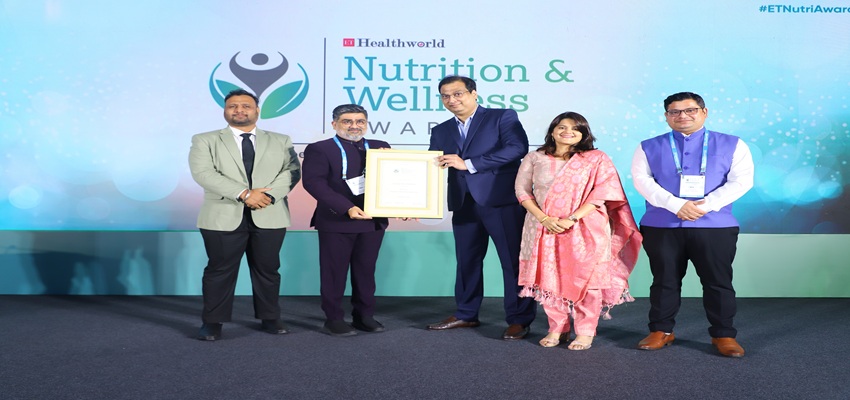
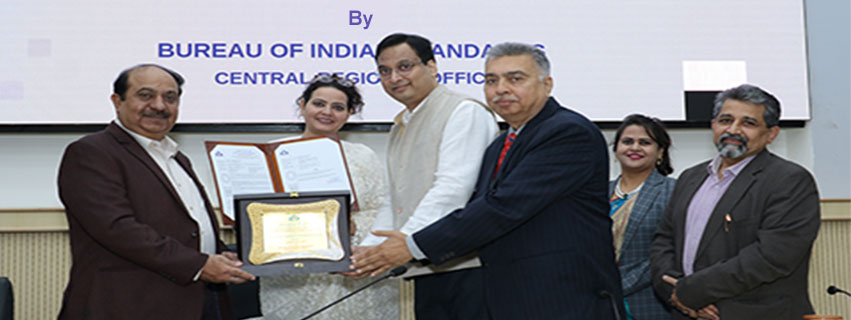
Institute of Good Manufacturing Practices India a part of the Grand Jury for the prestigious Nutriwell Conclave and Healthcare Awards, 2025: Our Director presenting the awards