
(An Autonomous Body Recognized by Ministry of Commerce & Industry, Government of India)
Competency based placement focussed Education | Training | Research | Consultancy



C-6, Qutab Institutional Area, Near Old JNU Campus, New Delhi-110016
Regular | Part-time (Online Live Classes) Modes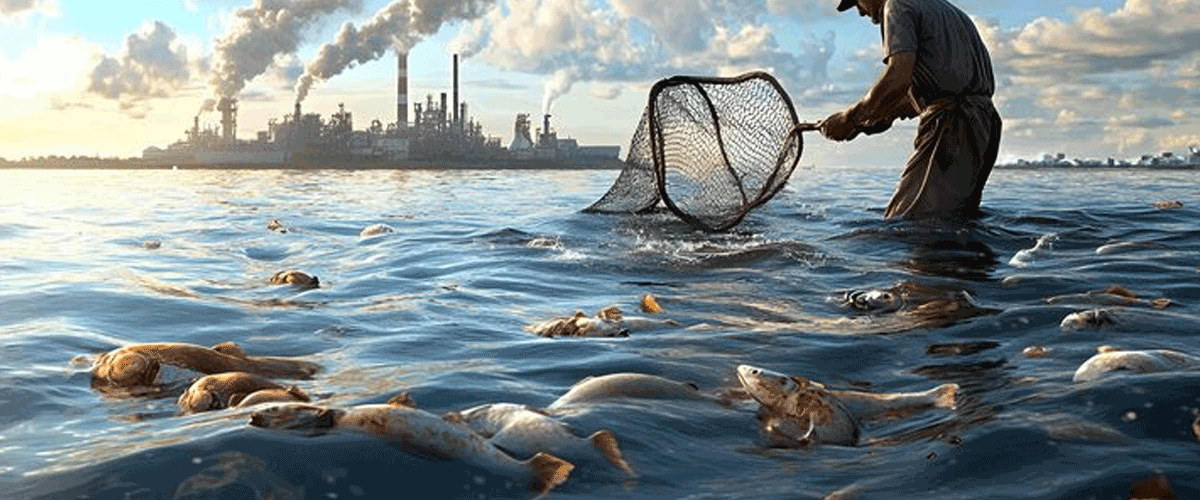
Global Seafood Trade Spreads ‘Forever Chemicals’ Beyond Pollution Hotspots
A new study shows that the global seafood trade is redistributing human exposure to per- and polyfluoroalkyl substances (PFAS), often called “forever chemicals,” far beyond the waters where contamination originates. By analysing more than 200 commercially important marine fish species, researchers found that international trade shifts PFAS exposure from highly polluted regions to countries where local fish stocks are comparatively cleaner. Europe emerged as a key hub in these exposure flows, despite not having the most contaminated fisheries.
PFAS are highly persistent synthetic chemicals linked to endocrine disruption, liver and thyroid disease, fertility problems, and cancer. Using global fisheries data, marine food-web models, and PFAS measurements from thousands of seawater sites, the study showed that species higher in the food chain carry greater PFAS burdens. While overall exposure has declined following regulatory restrictions, researchers warn that global trade continues to redistribute health risks, underscoring the need for stronger international coordination on chemical regulation and food safety.
31-12-2025
📰 Recent News
- Delhi Records Lowest September Average AQI in Five Years
- UN Calls for Urgent Action to Restore the World’s Forests
- Arctic Ocean Currents Found to Speed Carbon-Rich Phytoplankton to the Seafloor
- India’s Major Reservoirs Reach a Ten-Year Low as Monsoon Ends
- Indian Ecologists Call for Wider Ecosystem Monitoring Ahead of Expected El Niño
- Seven of Earth’s Nine Planetary Boundaries Now Breached, Scientists Warn
- Climate Change Linked to Glacier Collapse Behind Nepal-Tibet Floods
- Google Backs Large-Scale Carbon Removal Project in Brazil
- Global Assessment Finds One in Nine Migratory Bird Species at Risk of Extinction
- Natural Climate Feedbacks Could Intensify Global Warming by Up to 30%