
(An Autonomous Body Recognized by Ministry of Commerce & Industry, Government of India)
Competency based placement focussed Education | Training | Research | Consultancy



C-6, Qutab Institutional Area, Near Old JNU Campus, New Delhi-110016
Regular | Part-time (Online Live Classes) Modes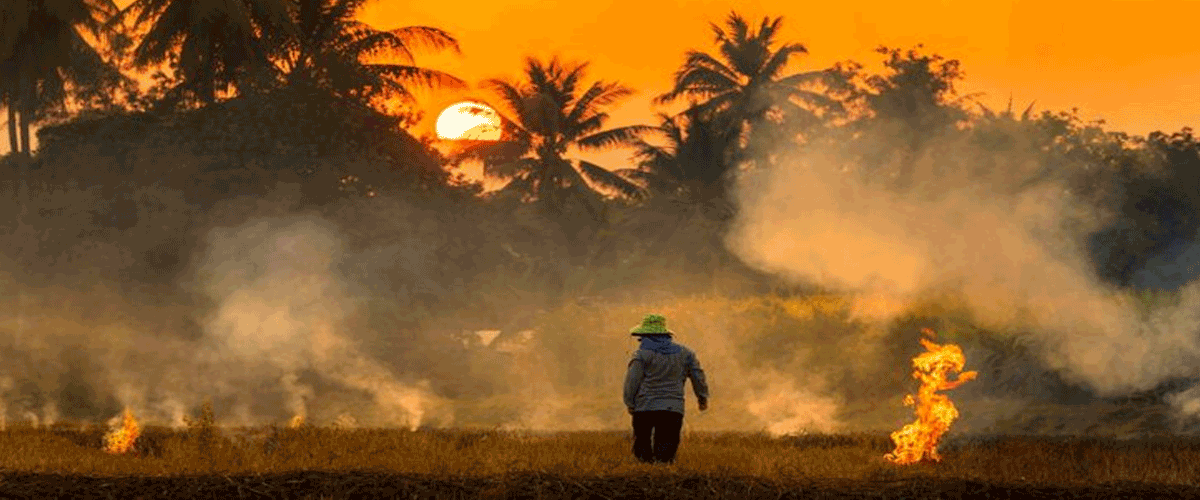
Heat Amplifies Chemical Risks for Migrant Farmworkers
A recent University of Arizona study highlights how extreme heat worsens the effects of chemical exposures on farmworkers’ kidneys. Researchers from the Mel and Enid Zuckerman College of Public Health monitored 77 farmworkers in Sonora, Mexico, tracking blood and urine samples over several months. The workers, averaging 29 years old, were exposed to metals and chemicals from soil and agricultural products, including arsenic, cadmium, chromium, and uranium.
Lead author Rietta Wagoner explained that high temperatures increase absorption and change how chemicals are processed and excreted in the body. Chronic kidney disease, typically seen in older adults, is appearing in younger outdoor workers globally, with heat likely a contributing factor.
The study underscores the urgent need for heat-mitigation measures on farms, including mandatory breaks with water and electrolytes, accessible restrooms, and acclimatization periods for new hires. Wagoner emphasizes that prevention is essential to protect workers from this debilitating disease.
13-10-2025
📰 Recent News
- El Niño Forecast to Intensify, Raising the Risk of Extreme Weather Through Early 2027
- Mining and Oil Exploration Put Millions of Hectares of Protected Tropical Ecosystems at Risk
- Delhi Records Lowest September Average AQI in Five Years
- UN Calls for Urgent Action to Restore the World’s Forests
- Arctic Ocean Currents Found to Speed Carbon-Rich Phytoplankton to the Seafloor
- India’s Major Reservoirs Reach a Ten-Year Low as Monsoon Ends
- Indian Ecologists Call for Wider Ecosystem Monitoring Ahead of Expected El Niño
- Seven of Earth’s Nine Planetary Boundaries Now Breached, Scientists Warn
- Climate Change Linked to Glacier Collapse Behind Nepal-Tibet Floods
- Google Backs Large-Scale Carbon Removal Project in Brazil