
(An Autonomous Body Recognized by Ministry of Commerce & Industry, Government of India)
Competency based placement focussed Education | Training | Research | Consultancy



C-6, Qutab Institutional Area, Near Old JNU Campus, New Delhi-110016
Regular | Part-time (Online Live Classes) Modes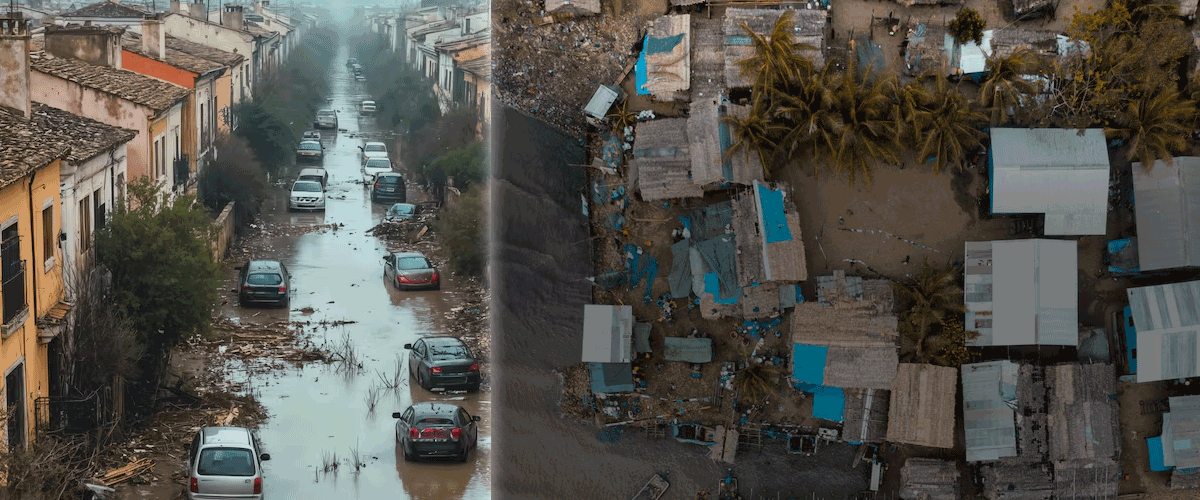
Kolkata Floods Highlight Urban Drainage Challenges Amid Climate Change
On September 23, Kolkata received 247.5 millimeters (9.7 inches) of rain—over 12% of its annual average—in just 24 hours, causing flooding, property damage, and fatalities. Scientists link such extreme events to climate change, intensified by the warming Bay of Bengal and urban heat, which increases atmospheric moisture and amplifies rainfall.
Kolkata has warmed by 2.6°C (4.7°F) over the past seven decades, contributing to more intense weather events. Rapid urbanization has further stressed the city’s drainage: rivers and wetlands have shrunk, and underground canals are clogged with silt and plastic waste.
Municipal authorities have been upgrading infrastructure, removing over 200,000 metric tons of silt in 2024–2025 and enhancing pumping capacity. Experts note that these improvements mitigated the impact of the September deluge, but repeated extreme rainfall events are expected. Future efforts must focus on restoring drainage channels, expanding outlet capacity, and adapting the city to withstand climate-driven floods.
13-10-2025
📰 Recent News
- El Niño Forecast to Intensify, Raising the Risk of Extreme Weather Through Early 2027
- Mining and Oil Exploration Put Millions of Hectares of Protected Tropical Ecosystems at Risk
- Delhi Records Lowest September Average AQI in Five Years
- UN Calls for Urgent Action to Restore the World’s Forests
- Arctic Ocean Currents Found to Speed Carbon-Rich Phytoplankton to the Seafloor
- India’s Major Reservoirs Reach a Ten-Year Low as Monsoon Ends
- Indian Ecologists Call for Wider Ecosystem Monitoring Ahead of Expected El Niño
- Seven of Earth’s Nine Planetary Boundaries Now Breached, Scientists Warn
- Climate Change Linked to Glacier Collapse Behind Nepal-Tibet Floods
- Google Backs Large-Scale Carbon Removal Project in Brazil