
(An Autonomous Body Recognized by Ministry of Commerce & Industry, Government of India)
Competency based placement focussed Education | Training | Research | Consultancy


C-6, Qutab Institutional Area, Near Old JNU Campus, New Delhi-110016
Regular | Part-time (Online Live Classes) Modes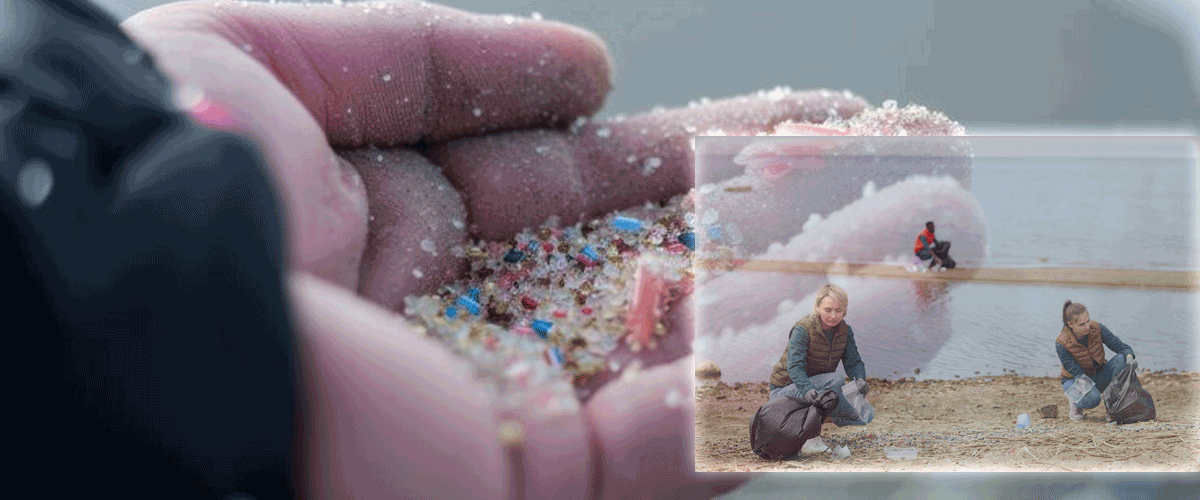
Microplastics Found in Every Minnesota Lake Surveyed
A new survey by Environment Minnesota Research & Policy Center has detected microplastics in all 40 lakes and waterways sampled across Minnesota. Using protocols from microplastics scientists, staff and volunteers primarily found tiny plastic fibers, though no plastic microbeads, which were banned in 2015.
Melissa Maurer-Jones, a chemistry professor at University of Minnesota, Duluth, said the findings were unsurprising given the pervasive use of plastics in everyday products. She noted that while freshwater systems are less studied than oceans, research is increasingly showing potential risks of microplastic pollution to ecosystems and human health.
Katelynn Rolfes, the study’s author, emphasized the long-lasting nature of plastics and encouraged Minnesotans to reduce single-use plastic and ensure proper disposal. Maurer-Jones added that casual swimming in lakes poses minimal risk, with ingestion being the primary concern. Continued research is crucial for understanding and mitigating microplastic contamination in freshwater environments.
10-10-2025
📰 Recent News
- El Niño Forecast to Intensify, Raising the Risk of Extreme Weather Through Early 2027
- Mining and Oil Exploration Put Millions of Hectares of Protected Tropical Ecosystems at Risk
- Delhi Records Lowest September Average AQI in Five Years
- UN Calls for Urgent Action to Restore the World’s Forests
- Arctic Ocean Currents Found to Speed Carbon-Rich Phytoplankton to the Seafloor
- India’s Major Reservoirs Reach a Ten-Year Low as Monsoon Ends
- Indian Ecologists Call for Wider Ecosystem Monitoring Ahead of Expected El Niño
- Seven of Earth’s Nine Planetary Boundaries Now Breached, Scientists Warn
- Climate Change Linked to Glacier Collapse Behind Nepal-Tibet Floods
- Google Backs Large-Scale Carbon Removal Project in Brazil