
(An Autonomous Body Recognized by Ministry of Commerce & Industry, Government of India)
Competency based placement focussed Education | Training | Research | Consultancy



C-6, Qutab Institutional Area, Near Old JNU Campus, New Delhi-110016
Regular | Part-time (Online Live Classes) Modes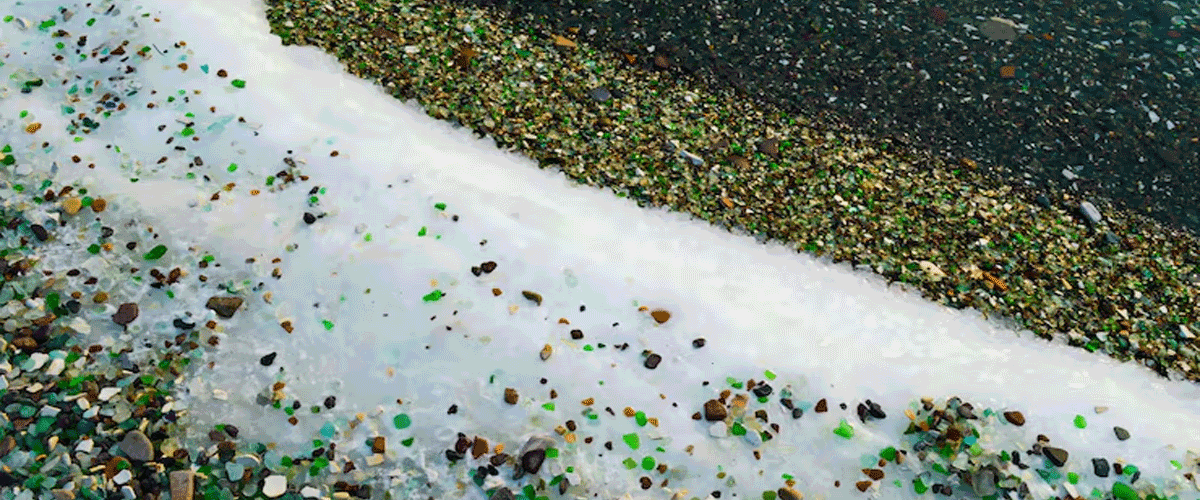
Microplastics Surge in Lake Erie as New Survey Shows Sharp Increases Since 2014
A decade after first sampling Lake Erie, researcher Sherri Mason returned in 2024 to find that surface microplastic levels had risen sharply at every site she surveyed. Mason, now leading freshwater research at Gannon University, revisited five locations originally studied in 2014 and found consistent increases, contradicting expectations that results might vary with lake conditions.
Three Central Basin sites north of Cleveland showed significant jumps, with one area rising from 16,000 to 188,000 particles per square kilometer. Eastern sites saw even steeper climbs: off Pennsylvania’s coast, counts soared from 19,000 to more than 700,000, while waters near Long Point, Canada, rose from 9,500 to over 500,000.
Most pollution consisted of microplastics—fragments from larger items such as bags and bottles—made more brittle by winter weather. Experts point to stronger storms, atmospheric deposition, and pandemic-related plastic waste as likely contributors. Mason notes that even higher volumes remain on the lake bottom and says continued monitoring is needed to address the growing threat.
02-12-2025
📰 Recent News
- El Niño Forecast to Intensify, Raising the Risk of Extreme Weather Through Early 2027
- Mining and Oil Exploration Put Millions of Hectares of Protected Tropical Ecosystems at Risk
- Delhi Records Lowest September Average AQI in Five Years
- UN Calls for Urgent Action to Restore the World’s Forests
- Arctic Ocean Currents Found to Speed Carbon-Rich Phytoplankton to the Seafloor
- India’s Major Reservoirs Reach a Ten-Year Low as Monsoon Ends
- Indian Ecologists Call for Wider Ecosystem Monitoring Ahead of Expected El Niño
- Seven of Earth’s Nine Planetary Boundaries Now Breached, Scientists Warn
- Climate Change Linked to Glacier Collapse Behind Nepal-Tibet Floods
- Google Backs Large-Scale Carbon Removal Project in Brazil