
(An Autonomous Body Recognized by Ministry of Commerce & Industry, Government of India)
Competency based placement focussed Education | Training | Research | Consultancy


C-6, Qutab Institutional Area, Near Old JNU Campus, New Delhi-110016
Regular | Part-time (Online Live Classes) Modes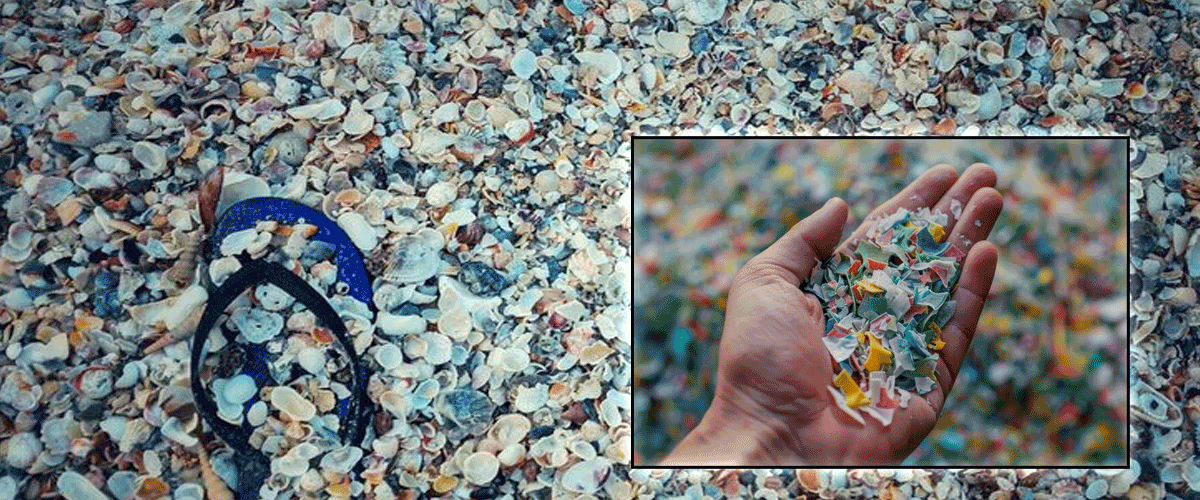
Microplastics: The Invisible Threat in Our Bodies
Microplastics are now found in human blood, lungs, placentas, and even the brain, raising concerns about their impact on health. Studies suggest these tiny particles may disrupt gut microbes, potentially influencing conditions linked to depression, colorectal cancer, and neurological disorders. Rodent experiments indicate microplastics can accumulate in organs, alter behaviour, and affect key brain proteins associated with dementia and depression.
Humans are exposed to microplastics through food packaging, synthetic clothing, personal care products, and airborne particles. Although precise “safe” levels remain unknown, experts recommend minimizing exposure. Practical steps include avoiding heated plastics, using glass or stainless-steel containers, switching to wooden chopping boards, selecting natural fibres for bedding, and reducing products containing nano- or microplastics. Limiting contact with synthetic textiles and reducing plastic waste at home may also help.
While research is still emerging, cautious reduction of microplastic exposure offers a sensible strategy for protecting long-term health.
12-10-2025
📰 Recent News
- El Niño Forecast to Intensify, Raising the Risk of Extreme Weather Through Early 2027
- Mining and Oil Exploration Put Millions of Hectares of Protected Tropical Ecosystems at Risk
- Delhi Records Lowest September Average AQI in Five Years
- UN Calls for Urgent Action to Restore the World’s Forests
- Arctic Ocean Currents Found to Speed Carbon-Rich Phytoplankton to the Seafloor
- India’s Major Reservoirs Reach a Ten-Year Low as Monsoon Ends
- Indian Ecologists Call for Wider Ecosystem Monitoring Ahead of Expected El Niño
- Seven of Earth’s Nine Planetary Boundaries Now Breached, Scientists Warn
- Climate Change Linked to Glacier Collapse Behind Nepal-Tibet Floods
- Google Backs Large-Scale Carbon Removal Project in Brazil