
(An Autonomous Body Recognized by Ministry of Commerce & Industry, Government of India)
Competency based placement focussed Education | Training | Research | Consultancy



C-6, Qutab Institutional Area, Near Old JNU Campus, New Delhi-110016
Regular | Part-time (Online Live Classes) Modes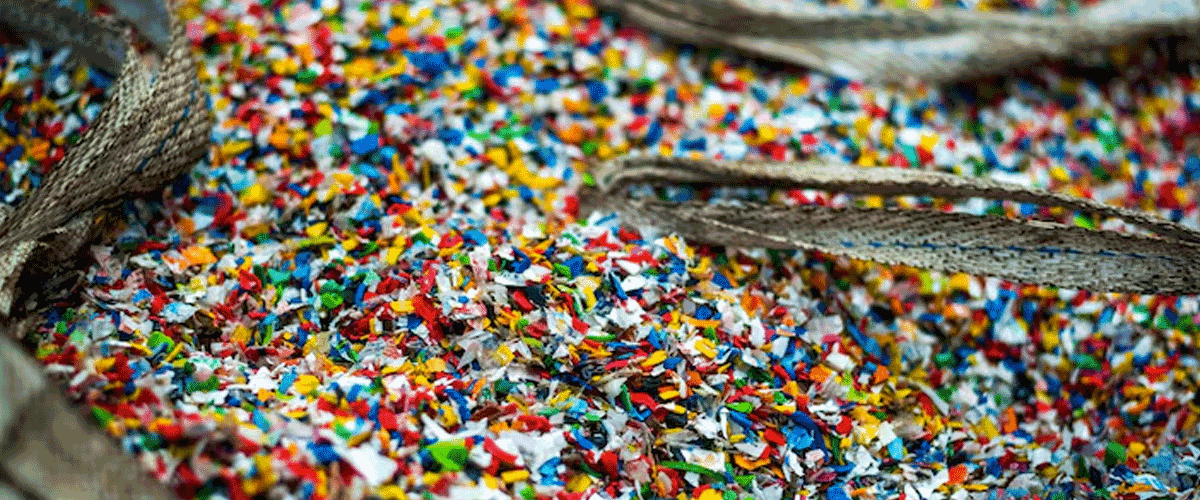
Plastic Bio-Beads From Sewage Plants Pose Growing Pollution and Superbug Risks
A recent spill of plastic “bio-beads” in East Sussex has renewed concerns about wastewater treatment materials polluting UK coastlines. These pellets, used since the 1990s to support bacterial breakdown of sewage, can escape through ageing infrastructure and poor storage, despite industry claims that screens should contain them. Once released, bio-beads fragment into smaller particles and enter rivers and oceans.
Scientists warn the risk extends beyond plastic pollution. Bio-beads are coated in biofilms that can contain harmful bacteria, including antibiotic-resistant “superbugs.” Research along Cornish waterways shows resistant pathogens present on plastics from hospital wastewater to the sea. Historic spills have deposited billions of beads, which can be ingested by marine life and may also leach chemicals like lead and bromine.
Experts argue the solution lies in replacing bio-beads with safer alternatives such as ceramic media, redesigned plastic carriers, or activated sludge systems. Stronger oversight, transparency, and modernized infrastructure are essential to prevent further contamination.
25-11-2025
📰 Recent News
- El Niño Forecast to Intensify, Raising the Risk of Extreme Weather Through Early 2027
- Mining and Oil Exploration Put Millions of Hectares of Protected Tropical Ecosystems at Risk
- Delhi Records Lowest September Average AQI in Five Years
- UN Calls for Urgent Action to Restore the World’s Forests
- Arctic Ocean Currents Found to Speed Carbon-Rich Phytoplankton to the Seafloor
- India’s Major Reservoirs Reach a Ten-Year Low as Monsoon Ends
- Indian Ecologists Call for Wider Ecosystem Monitoring Ahead of Expected El Niño
- Seven of Earth’s Nine Planetary Boundaries Now Breached, Scientists Warn
- Climate Change Linked to Glacier Collapse Behind Nepal-Tibet Floods
- Google Backs Large-Scale Carbon Removal Project in Brazil