
(An Autonomous Body Recognized by Ministry of Commerce & Industry, Government of India)
Competency based placement focussed Education | Training | Research | Consultancy

C-6, Qutab Institutional Area, Near Old JNU Campus, New Delhi-110016
Regular | Part-time (Online Live Classes) Modes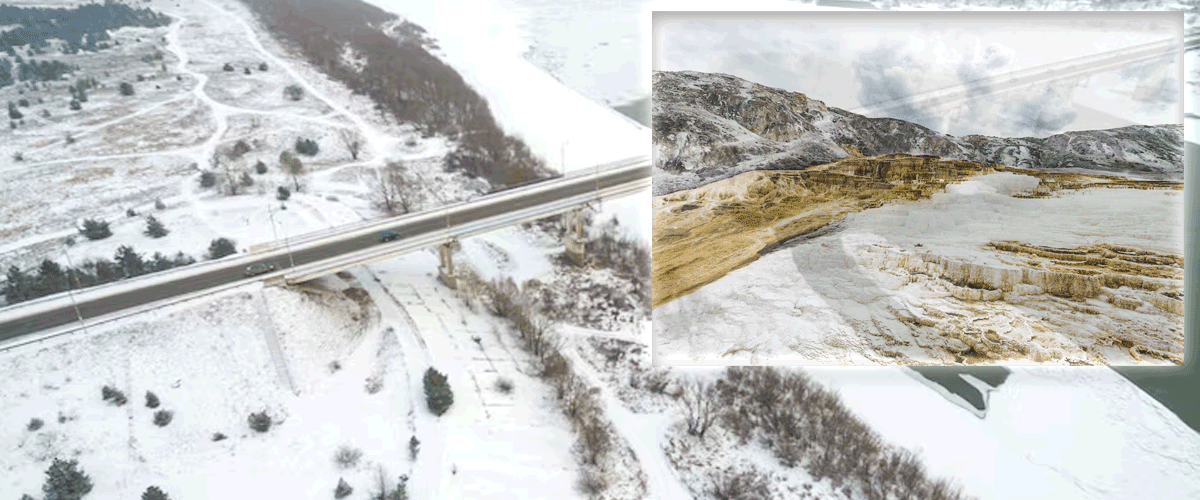
Rising Road Salt Threatens New Hampshire’s Waterways and Drinking Water
Salt levels in New Hampshire are steadily increasing, driven by development, more paved surfaces, and changing winter conditions. Road salt seeps into waterways, threatening aquatic life and contaminating drinking water, with the number of salt-affected wells rising 150% over 30 years. High chloride levels are toxic to fish and can corrode pipes, releasing metals like lead and copper.
The state’s Voluntary Commercial Salt Applicator Certification Program (“Green Snow Pro”) trains companies and municipalities in efficient salt use, yielding cost savings and reduced application. However, despite increased participation, salt accumulation continues due to warming winters, more freeze-thaw cycles, and expanded infrastructure.
Experts say a cultural shift is also needed, as public expectations for icy sidewalks have normalized over-salting. While stricter regulations on storage and application are under discussion, long-term solutions will require both behavioral change and policy support to protect New Hampshire’s freshwater systems.
20-10-2025
📰 Recent News
- El Niño Forecast to Intensify, Raising the Risk of Extreme Weather Through Early 2027
- Mining and Oil Exploration Put Millions of Hectares of Protected Tropical Ecosystems at Risk
- Delhi Records Lowest September Average AQI in Five Years
- UN Calls for Urgent Action to Restore the World’s Forests
- Arctic Ocean Currents Found to Speed Carbon-Rich Phytoplankton to the Seafloor
- India’s Major Reservoirs Reach a Ten-Year Low as Monsoon Ends
- Indian Ecologists Call for Wider Ecosystem Monitoring Ahead of Expected El Niño
- Seven of Earth’s Nine Planetary Boundaries Now Breached, Scientists Warn
- Climate Change Linked to Glacier Collapse Behind Nepal-Tibet Floods
- Google Backs Large-Scale Carbon Removal Project in Brazil