
(An Autonomous Body Recognized by Ministry of Commerce & Industry, Government of India)
Competency based placement focussed Education | Training | Research | Consultancy


C-6, Qutab Institutional Area, Near Old JNU Campus, New Delhi-110016
Regular | Part-time (Online Live Classes) Modes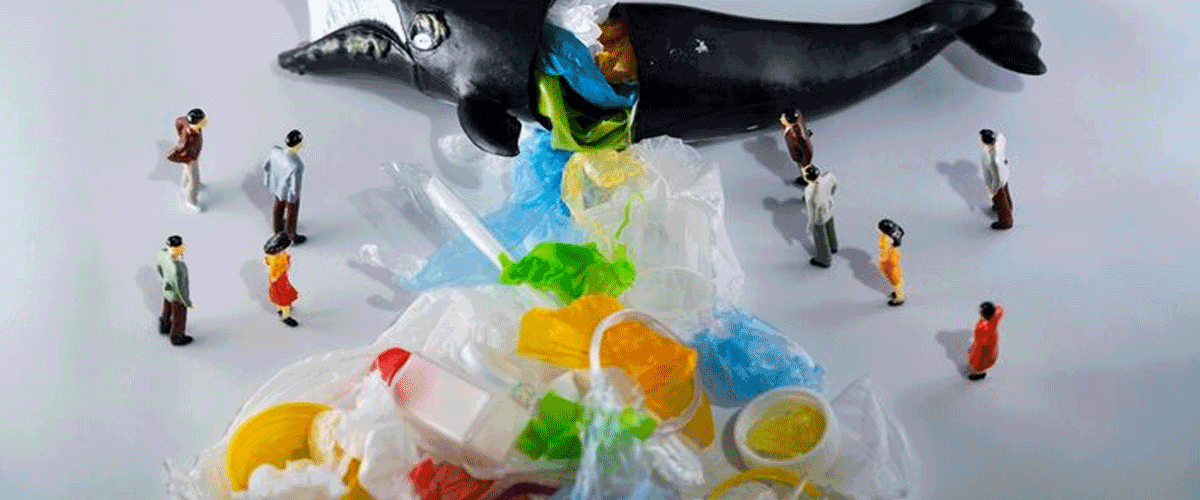
Food Waste Decays, Plastic Stays: Rethinking Modern Morality
Each year, UK households discard 4.7 million tonnes of edible food, even as rising prices force many families to rely on food banks. This waste is worsened by the reliance on single-use plastic packaging, which—while reducing spoilage—creates a lasting environmental crisis. An estimated 90 billion pieces of plastic are thrown away annually, with barely half recycled; the rest ends up burned, buried, or exported to nations with weak waste systems. Unlike food waste, which decomposes, plastic lingers for centuries, infiltrating oceans, soil, and even human bodies.
While food waste evokes moral outrage, tied to memories of scarcity and religious values, plastic waste escapes similar condemnation—seen as mere disposal rather than destruction. Yet, its harm is far greater and more enduring. To confront future challenges, society must expand its moral lens, recognizing that plastic pollution, too, is a profound ethical failing—one that threatens ecosystems, food security, and generations to come.
03-11-2025
📰 Recent News
- El Niño Forecast to Intensify, Raising the Risk of Extreme Weather Through Early 2027
- Mining and Oil Exploration Put Millions of Hectares of Protected Tropical Ecosystems at Risk
- Delhi Records Lowest September Average AQI in Five Years
- UN Calls for Urgent Action to Restore the World’s Forests
- Arctic Ocean Currents Found to Speed Carbon-Rich Phytoplankton to the Seafloor
- India’s Major Reservoirs Reach a Ten-Year Low as Monsoon Ends
- Indian Ecologists Call for Wider Ecosystem Monitoring Ahead of Expected El Niño
- Seven of Earth’s Nine Planetary Boundaries Now Breached, Scientists Warn
- Climate Change Linked to Glacier Collapse Behind Nepal-Tibet Floods
- Google Backs Large-Scale Carbon Removal Project in Brazil