(An Autonomous Body Recognized by Ministry of Commerce & Industry, Government of India)
Competency based placement focussed Education | Training | Research | Consultancy

C-6, Qutab Institutional Area, Near Old JNU Campus, New Delhi-110016
Regular | Part-time (Online Live Classes) Modes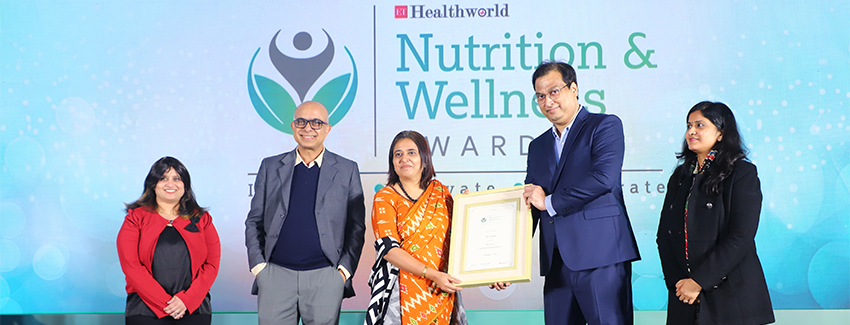







Post Graduate Diploma/Executive Diploma in Cancer Genomics and Precision Oncology (PGCGPO/EDCGPO)
The PG Diploma / Executive Diploma in Cancer Genomics and Precision Oncology is a specialized multidisciplinary programme that bridges the gap between molecular biology, genomics, bioinformatics, and clinical oncology. It focuses on understanding the genetic basis of cancer and translating genomic discoveries into personalized treatment strategies by combining advanced genomic technologies with modern precision medicine approaches.
Programme Overview
The programme is designed to provide learners with a strong foundation in the biological and genomic basis of cancer, beginning with core concepts such as the hallmarks of cancer, oncogenes and tumour suppressor genes, driver and passenger mutations, and tumour heterogeneity. These topics help participants understand how cancer develops, evolves, and responds to treatment within the broader cancer genomics landscape.
A key focus of the programme is cancer genomics and molecular diagnostics, where learners are introduced to advanced technologies such as next-generation sequencing (NGS), whole genome and whole exome sequencing, targeted gene panels, and liquid biopsy. Participants also gain exposure to bioinformatics pipelines and variant interpretation, enabling them to analyze genomic data and identify clinically relevant mutations for cancer diagnosis and management.
The curriculum further explores molecularly guided therapies and precision oncology, including targeted treatments such as tyrosine kinase inhibitors, monoclonal antibodies, PARP inhibitors, and CDK4/6 inhibitors. It also covers the role of predictive and prognostic biomarkers, companion diagnostics, and mechanisms of drug resistance, helping learners understand how genomic insights guide personalized cancer treatment.
In addition, the programme introduces immuno-oncology, multi-omics technologies, and computational oncology, including RNA sequencing, single-cell analysis, and the use of artificial intelligence in cancer research and drug discovery. Learners also gain insights into modern clinical trial designs, ethical considerations in genomic medicine, and the translation of genomic discoveries into clinical practice through molecular tumour boards and personalized treatment planning.
Programme Structure
International Affiliation with
Programme Structure
International Affiliation with
Module 1: Foundations of Cancer Biology
- Hallmarks of Cancer
- Oncogenes and Tumour Suppressor Genes
- Driver vs Passenger Mutations
- Clonal Evolution and Tumour Heterogeneity
- Cancer Genomics Landscape
Module 2: Cancer Genomics and Molecular Diagnostics
- Next-Generation Sequencing (NGS)
- Whole Genome vs Whole Exome Sequencing
- Targeted Gene Panels
- Liquid Biopsy
- Bioinformatics Pipelines
- Variant Interpretation
Module 3: Targeted Therapy and Molecularly Guided Treatment
- Tyrosine Kinase Inhibitors (TKIs)
- Monoclonal Antibodies
- PARP Inhibitors.
- CDK4/6 Inhibitors
- Resistance Mechanisms
- Synthetic Lethality
Module 4: Biomarkers in Precision Oncology
- Types of biomarkers:
- Predictive biomarkers
- Prognostic biomarkers
- Companion Diagnostics
- Biomarkers for clinical case scenarios.
Module 5: Immuno-Oncology
- Immune Checkpoints
- CAR-T Therapy
- Neoantigen Vaccines
- Tumour Microenvironment
Module 6: Multi-Omics and Systems Oncology
- RNA-seq analysis
- Proteomics
- Metabolic pathway profiling
- Single-cell sequencing
- Spatial transcriptomics
- AI in Oncology
Module 7: Clinical Trial Design in Precision Oncology
- Innovative clinical trial designs:
- Basket trials
- Umbrella trials
- Adaptive clinical trials
- Regulatory Framework
Module 8: Health Economics and Ethics
- Cost effectiveness of targeted therapy
- Equity in precision medicine access
- Genetic privacy and data protection
- Incidental germline findings
- Ethical dilemmas in genomic testing.
Module 9: Computational Oncology
- Variant calling algorithms
- Pathway enrichment analysis
- Machine learning models for cancer prediction
- Drug repurposing using AI
Module 10: Translational Precision Oncology
- Molecular Tumour Boards
- Review genomic reports
- Design personalized treatment plans
- Discuss therapeutic strategies
Module 11: Case Study
Module 12: Capstone Project
Eligibility
Graduates in any discipline are eligible for our Post Graduate Diploma, Executive Diploma and Professional Certifications Programmes. 10+2 pass-outs are eligible for our Under Graduate Diploma and Diploma holders of two to three years course duration are also eligible for the PG Diploma.
Programme Duration
The minimum duration to complete the PG diploma programme is 12 months and maximum is 24 months. The minimum duration to complete the executive diploma programme is 6 months and maximum is 12 months.
Programme Mode
Registrations are currently open for regular and Part-time (Online Live Classes) both modes.
Programme Deliverables
A comprehensive study material for all the Modules in hard copies ensuring the needs of the audience. The accompanying training material is appropriately aligned with the current Industry’s expectations.
- Assignments for all the programme modules for continuous evaluation and guidance.
- Interactive or online live sessions on all key areas of the programme giving all flexibility to the participants.
- Online classes for all the modules will be conducted on the weekends. Moreover, a doubt clearing session will also be scheduled before the examination
- All the efforts are made by IGMPI faculty members to make the entire programme modules easily understandable.
- Assessment and evaluation for all the programme modules in order to enhance the levels of competencies and skills of the participants leading towards the objective of application in the job.
- At the end of each programme modules, the trainers shall obtain feedback from the participants using specially designed questionnaires.
- All learning and training delivery initiatives shall be conducted in English.
Examination and Certification
All the participants are expected to appear for an online exam and are also obliged to submit assignments after each module. After successful completion, the participants will be awarded the PG Diploma/Executive Diploma in Cancer genomics and Precision Oncology from Centre for Health Management and Research, IGMPI. For all the above-mentioned modules, Online Classes (Online mode) or face-to-face classes (Regular mode), elaborate programme material, self-assessment assignments would be provided by the Institute. Details get updated on the webpage as well.
Discipline in Classes and Examination
Every student is required to observe a disciplined behaviour during her/his classes, assessments & examinations and to follow instructions from the Professors. Any act of indiscipline may result into discredit & it will be mentioned in her/his academic report.
Placement Assistance & Corporate Relations
For the Post Graduate Diploma, Undergraduate Diploma, Executive Diploma and Professional Certification Programmes, we will provide placement assistance after the completion of the programme. The Institute has partnered with many organizations for providing placement assistance to its students. The robust placement cell comprises senior level Human Resources professionals and Talent Acquisition experts which maintains close links with business and industry. The efforts of our placement cell also include helping with professional resume writing, interview skills & conducting mock interviews etc.
In recent months the Institute has witnessed more and more participation from professionals working with global healthcare like , Jhpiego, SELCO Foundation, TATA Foundation, Samarthan NGO, PSI, UNICEF, WHO, HCL Foundation, IPE Global, Optum, PATH, AIIMS, Action against Hunger, Ekta Shakti Foundation, Seva Foundation, India HIV-AIDS Alliance, HLFPPT, Deepak Foundation, Novartis, LalPath Labs Ltd., Fortis Healthcare Ltd., HealthCare Global Enterprises Ltd., Indraprastha Medical Corporation Ltd., Narayana Hrudayalaya Ltd., Piramal Enterprises Ltd., Wockhardt Ltd., Cactus Communications, Public Health Foundations of India, Cytel, Religare Health Insurance Company Ltd., Deloitte, DuPont Sustainable Solutions, Bain & Company, Alvarez & Marsal, McKinsey & Company, etc. The IGMPI’s Corporate Resource Division actively recommends our students and training participants for various job requirements and specialized roles to Human Resource, Talent Acquisition as well as the heads of various departments in Pharmaceutical, Healthcare industries on regular basis.
Future career prospects
The future prospects for professionals trained in Integrated Cancer Genomics and Precision Oncology are highly promising, driven by rapid advancements in genomic medicine, increasing adoption of personalized cancer therapies, and the global expansion of molecular diagnostics. Healthcare systems around the world are increasingly integrating genomic testing into routine cancer care, allowing doctors to tailor treatments based on the unique genetic profile of a patient’s tumour. As a result, there is growing demand for specialists who can analyze genomic data, interpret molecular findings, and support clinicians in making evidence-based treatment decisions.
The precision oncology market continues to expand as hospitals, research institutes, and biotechnology companies invest heavily in genomic technologies such as next-generation sequencing (NGS), liquid biopsy, and molecular biomarker testing. These technologies enable early detection of cancer mutations and help identify targeted therapies that are more effective and less toxic for patients. Leading pharmaceutical and biotechnology companies such as Roche, Illumina, and Thermo Fisher Scientific are actively expanding their precision medicine divisions, creating strong employment opportunities for professionals trained in cancer genomics.
Hospitals and specialized cancer centers are also increasingly incorporating genomic diagnostics into clinical practice. Institutions such as Tata Memorial Centre and All India Institute of Medical Sciences employ trained genomics professionals to work alongside oncologists, pathologists, and bioinformaticians in multidisciplinary teams. In these environments, graduates may participate in tumour genome analysis, identification of actionable mutations, and development of personalized treatment strategies for cancer patients.
The expansion of translational cancer research is another major driver of career opportunities. Research organizations including Indian Council of Medical Research and private genomic laboratories such as MedGenome and Strand Life Sciences are increasingly focused on translating genomic discoveries into clinical applications. Professionals in this field may work as cancer genomics scientists, molecular diagnostics specialists, bioinformatics analysts, or precision medicine researchers, contributing to biomarker discovery, genomic data interpretation, and the development of targeted therapies.
The integration of artificial intelligence and large-scale genomic datasets is transforming the way cancer research and diagnostics are conducted. Advanced computational tools are now used to analyze complex genomic data, identify mutation patterns, and predict treatment responses. Professionals with expertise in genomics and bioinformatics are therefore becoming essential to the future of oncology research, drug development, and clinical diagnostics.
Programme Fee Details
Programme fee details will appear here.
Last date for submitting completed Application Form: 28th Oct 2026.
For further enquiries, call or write to us on:
18001031071
(Toll Free -9:00 am to 5:30 pm IST-except on Central Government holidays)/
info@igmpi.ac.in
NEWSLETTER
- WHO Calls for Community-Based Mental Healthcare to Replace Prolonged Psychiatric Hospitalisation
- WHO Introduces Global Roadmap to Prevent Hypertension-Related Complications During Pregnancy
- Goa Introduces Indias First Dedicated Life-Course Immunization Policy
- MDNIY Announces Continuing Medical Education Programme for Yoga Professionals
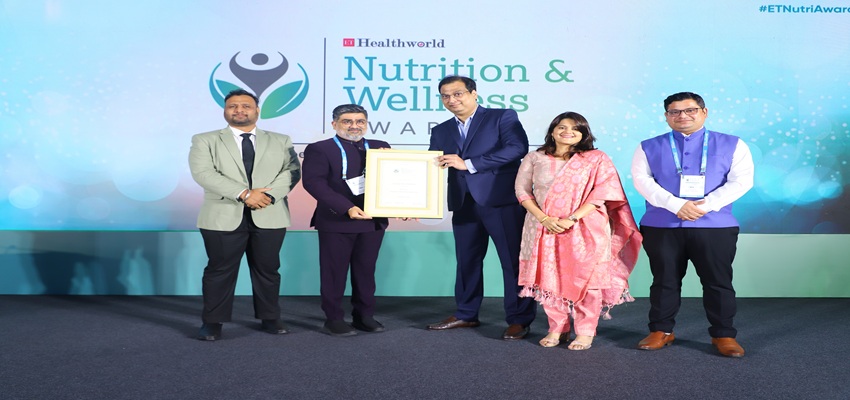
CNDS, Institute of Good Manufacturing Practices India a part of the Grand Jury for the prestigious Nutriwell Conclave and Healthcare Awards, 2025: Our Director presenting the awards