
(An Autonomous Body Recognized by Ministry of Commerce & Industry, Government of India)
Competency based placement focussed Education | Training | Research | Consultancy


C-6, Qutab Institutional Area, Near Old JNU Campus, New Delhi-110016
Regular | Part-time (Online Live Classes) Modes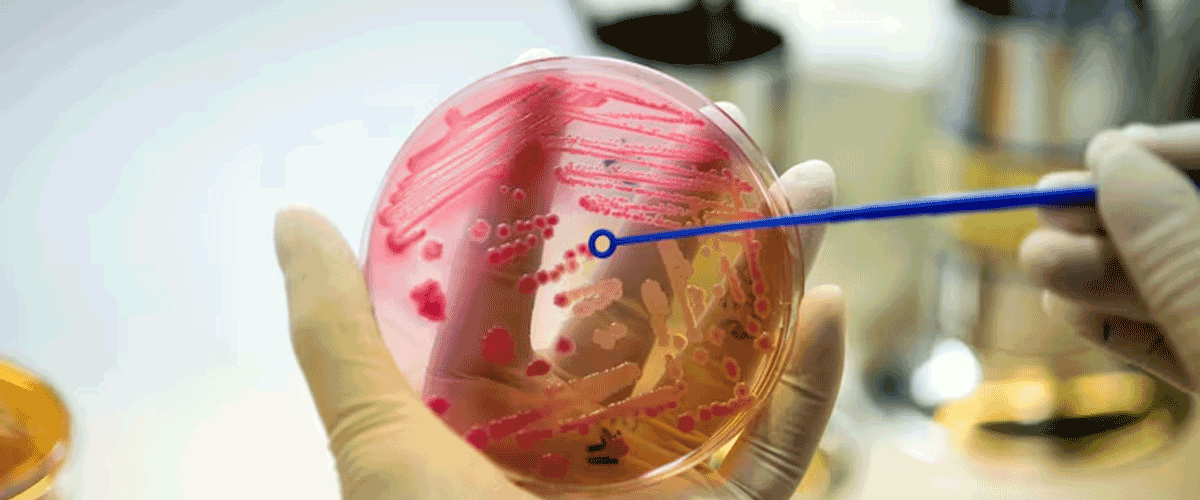
Study Links Placental Microplastics to Increased Risk of Miscarriage
A new study published in eBioMedicine has revealed that higher levels of microplastics in the placenta are associated with a greater risk of spontaneous miscarriage during the first trimester. Researchers found microplastics in all placentas tested, with polyvinyl chloride (PVC) making up more than half of the detected particles. Older women, and those who frequently consumed bottled water or seafood, showed higher microplastic concentrations, indicating lifestyle and age-related exposure factors.
The findings suggest that microplastic accumulation poses significant health risks during pregnancy, a particularly vulnerable period for both mother and fetus. With global plastic pollution exceeding 57 million tons annually, microplastics have become pervasive—detected in food, water, air, and even human organs. Given that 10%–20% of pregnancies end in miscarriage, the study’s authors urge stronger policies to regulate plastic pollution and limit human exposure to these persistent contaminants.
03-11-2025
📰 Recent News
- El Niño Forecast to Intensify, Raising the Risk of Extreme Weather Through Early 2027
- Mining and Oil Exploration Put Millions of Hectares of Protected Tropical Ecosystems at Risk
- Delhi Records Lowest September Average AQI in Five Years
- UN Calls for Urgent Action to Restore the World’s Forests
- Arctic Ocean Currents Found to Speed Carbon-Rich Phytoplankton to the Seafloor
- India’s Major Reservoirs Reach a Ten-Year Low as Monsoon Ends
- Indian Ecologists Call for Wider Ecosystem Monitoring Ahead of Expected El Niño
- Seven of Earth’s Nine Planetary Boundaries Now Breached, Scientists Warn
- Climate Change Linked to Glacier Collapse Behind Nepal-Tibet Floods
- Google Backs Large-Scale Carbon Removal Project in Brazil