
(An Autonomous Body Recognized by Ministry of Commerce & Industry, Government of India)
Competency based placement focussed Education | Training | Research | Consultancy

C-6, Qutab Institutional Area, Near Old JNU Campus, New Delhi-110016
Regular | Part-time (Online Live Classes) Modes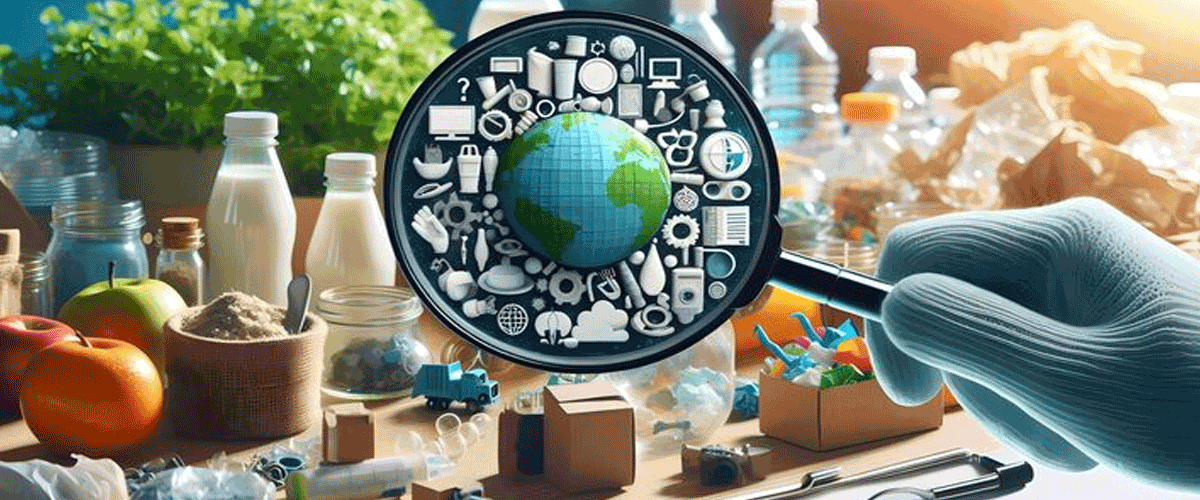
Plastics and Public Health: The Case for Lifecycle Regulation
A recent study in The Lancet Planetary Health highlights the extensive health impacts of plastics across their lifecycle, from production to disposal. Exposure to plastic-related chemicals, including plasticizers, contributes to air pollution, climate change, cancer, and other diseases, with primary production and incineration posing the greatest risks. Researchers estimate that if current production continues, an additional 83 million disability-adjusted life-years could be lost globally between 2016 and 2040.
The study found that limiting primary plastic production is far more effective at reducing health impacts than improving recycling or waste management alone. Addressing waste without curbing production underestimates the broader health consequences, including climate and chemical-related harms.
Globally, 57 million tons of plastic pollution are generated annually. Experts stress that the UN Global Plastics Treaty must adopt a full-lifecycle approach and ambitious production reductions to meaningfully protect human health, rather than focusing narrowly on waste management.
09-03-2026
📰 Recent News
- Arctic Ocean Currents Found to Speed Carbon-Rich Phytoplankton to the Seafloor
- India’s Major Reservoirs Reach a Ten-Year Low as Monsoon Ends
- Indian Ecologists Call for Wider Ecosystem Monitoring Ahead of Expected El Niño
- Seven of Earth’s Nine Planetary Boundaries Now Breached, Scientists Warn
- Climate Change Linked to Glacier Collapse Behind Nepal-Tibet Floods
- Google Backs Large-Scale Carbon Removal Project in Brazil
- Global Assessment Finds One in Nine Migratory Bird Species at Risk of Extinction
- Natural Climate Feedbacks Could Intensify Global Warming by Up to 30%
- Cutting Personal Care Products Quickly Lowers Toxic Chemical Exposure
- US House Passes Farm Bill After Dropping Pesticide Liability Shield