
(An Autonomous Body Recognized by Ministry of Commerce & Industry, Government of India)
Competency based placement focussed Education | Training | Research | Consultancy

C-6, Qutab Institutional Area, Near Old JNU Campus, New Delhi-110016
Regular | Part-time (Online Live Classes) Modes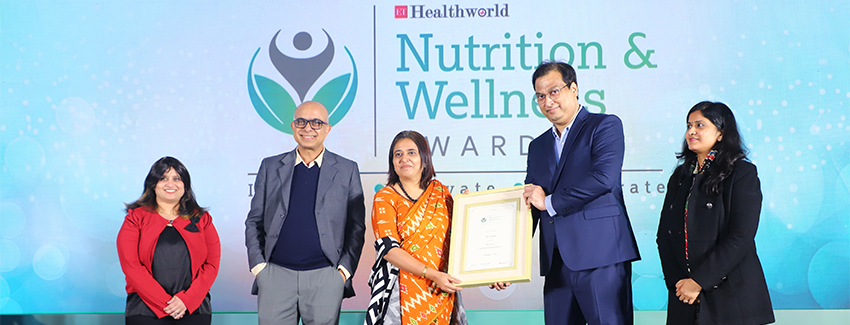






Post Graduate Diploma/ Executive Diploma in Smart Grid Technology
The modernization of electrical power systems and the increasing integration of renewable energy resources have accelerated the global transition toward smart grid infrastructure. Smart grids combine advanced communication technologies, automation systems, digital monitoring, and intelligent energy management to improve the efficiency, reliability, sustainability, and resilience of power systems. With growing investments in renewable energy integration, electric mobility, distributed generation, energy storage, and digital substations, there is a strong demand for professionals skilled in smart grid technologies and intelligent power management systems.
The Post Graduate Diploma in Smart Grid Technology is designed to provide comprehensive knowledge and practical expertise in modern power systems, grid automation, smart metering, renewable energy integration, energy storage systems, cybersecurity, and digital communication technologies. The programme combines electrical engineering fundamentals with emerging technologies such as IoT, artificial intelligence, SCADA, data analytics, and smart energy management systems to prepare professionals for the future energy sector.
The programme emphasizes both technical and operational aspects of smart grids with a focus on Indian power sector reforms, renewable energy policies, grid modernization initiatives, and global best practices. Through interdisciplinary learning, industrial case studies, simulations, and project-based training, participants will develop competencies required for careers in smart energy systems, utilities, power distribution companies, renewable energy organizations, and grid automation industries.
Programme Structure
Module 1: Fundamentals of Smart Grid Technology
· Introduction to conventional and smart power systems
· Evolution and architecture of smart grids
· Components and characteristics of smart grids
· Smart grid applications and benefits
· Indian and global smart grid initiatives
Module 2: Electrical Power Systems and Grid Infrastructure
· Fundamentals of power generation, transmission, and distribution
· Substations and power system components
· Grid stability and reliability concepts
· Electrical protection and safety systems
Module 3: Renewable Energy Integration in Smart Grids
· Solar, wind, hydro, and hybrid renewable systems
· Distributed generation and microgrids
· Grid integration challenges and solutions
· Power electronics and inverter technologies
· Renewable energy forecasting and management
Module 4: Smart Metering and Advanced Metering Infrastructure (AMI)
· Smart meters and digital energy measurement
· Advanced Metering Infrastructure (AMI) architecture
· Automated billing and demand response systems
· Energy monitoring and load management
· Consumer-side energy management technologies
Module 5: Communication Systems and IoT in Smart Grids
· Communication technologies for smart grids
· Wireless and fiber-optic communication systems
· Internet of Things (IoT) applications in energy systems
· Sensor networks and real-time monitoring
· Data acquisition and communication protocols
Module 6: SCADA, Automation and Control Systems
· SCADA systems and grid monitoring
· PLCs and automation technologies
· Intelligent electronic devices (IEDs)
· Digital substations and remote operation systems
· Smart grid control and optimization techniques
Module 7: Energy Storage Systems and Electric Vehicles
· Battery energy storage technologies
· Grid-scale energy storage applications
· Electric vehicle charging infrastructure
· Vehicle-to-grid (V2G) systems
· Energy management and charging optimization
Module 8: Smart Grid Analytics and Artificial Intelligence
· Data analytics in power systems
· Artificial intelligence and machine learning applications
· Predictive maintenance and fault diagnosis
· Load forecasting and demand prediction
Module 9: Cybersecurity and Grid Protection
· Cybersecurity fundamentals in power systems
· Threats and vulnerabilities in smart grids
· Network security and data protection
· Standards and regulations for grid security
Module 10: Energy Management and Smart Cities
· Energy management systems
· Smart city infrastructure and integrated utilities
· Demand-side management and energy efficiency
· Sustainable urban energy planning
Module 11: Smart Grid Policies, Regulations and Sustainability
· Power sector reforms and regulatory frameworks
· Smart grid standards and policies
· Renewable energy and carbon reduction initiatives
· ESG principles and sustainable energy systems
· Future trends in digital and decentralized energy systems
Module 12: Capstone Project
Eligibility
Graduates in Engineering, Technology, Science, or allied disciplines are eligible for the Post Graduate Diploma programme. Professionals working in the power, renewable energy, automation, electronics, and electrical sectors may also apply.
Programme Duration
The minimum duration to complete the PG diploma programme is 12 months and maximum is 24 months. The minimum duration to complete the executive diploma programme is 6 months and maximum is 12 months.
Examination and Certification
Participants are required to complete assignments, practical exercises, project work, and examinations for all modules. After successful completion, participants will be awarded the Post Graduate Diploma in Smart Grid Technology.
Future Career Prospects
Graduates of this programme may work in power utilities, renewable energy companies, smart grid solution providers, energy consultancies, automation industries, and infrastructure development organizations.
Potential recruiters include:
-
Power Grid Corporation of India Limited
-
NTPC Limited
-
Siemens
-
Schneider Electric
-
ABB
-
Tata Power
-
Smart Grid Knowledge Center
Programme Fee Details
Programme fee details will appear here.
Last date for submitting completed Application Form: 28th Oct 2026.
For further enquiries, call or write to us on:
18001031071
(Toll Free -9:00 am to 5:30 pm IST-except on Central Government holidays)/
info@igmpi.ac.in
NEWSLETTER
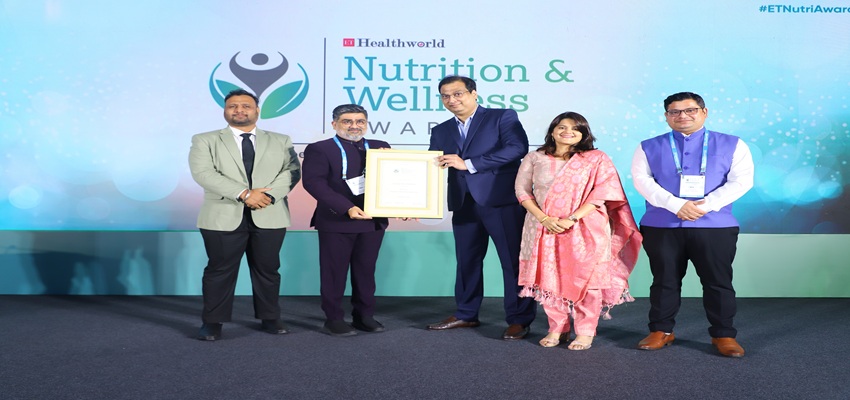
Institute of Good Manufacturing Practices India a part of the Grand Jury for the prestigious Nutriwell Conclave and Healthcare Awards, 2025: Our Director presenting the awards