
(An Autonomous Body Recognized by Ministry of Commerce & Industry, Government of India)
Competency based placement focussed Education | Training | Research | Consultancy

C-6, Qutab Institutional Area, Near Old JNU Campus, New Delhi-110016
Regular | Part-time (Online Live Classes) Modes








Post Graduate Diploma/ Executive Diploma in Hydro Power Plant Engineering
The growing demand for clean and sustainable energy has significantly increased the importance of hydropower as a reliable source of renewable electricity generation. Hydropower projects play a critical role in ensuring energy security, irrigation support, flood control, and regional socio-economic development. With increasing investments in hydroelectric infrastructure, pumped storage projects, river basin management, and renewable energy integration, there is a growing need for technically skilled professionals capable of planning, designing, operating, maintaining, and managing hydro power systems.
The Post Graduate Diploma in Hydro Power Plant Engineering is designed to provide comprehensive knowledge and practical expertise in hydropower engineering, covering hydraulic systems, turbine technology, electrical systems, automation, dam safety, environmental management, and renewable energy integration. The programme integrates engineering fundamentals with modern technologies and industrial practices to prepare professionals for the evolving power and energy sector.
Programme Structure
Module 1: Fundamentals of Hydropower Engineering
· Introduction to hydropower and renewable energy systems
· Types and classification of hydroelectric power plants
· Components and working principles of hydropower plants
· Hydropower potential assessment and energy conversion
· Indian and global hydropower scenario
Module 2: Hydrology and Water Resources Engineering
· Hydrological cycle and watershed management
· Rainfall-runoff analysis and streamflow measurement
· Reservoir hydrology and sedimentation studies
· Flood estimation and river basin management
· GIS and remote sensing applications in hydrology
Module 3: Hydraulic Machines and Turbine Engineering
· Fundamentals of hydraulic machines and fluid mechanics
· Pelton, Francis, and Kaplan turbines
· Turbine selection and efficiency analysis
· Cavitation and hydraulic transients
· Governing and control mechanisms
Module 4: Structures for Hydropower Plants
· Types of Dam and hydraulic structures
· Spillways, intake structures, and penstocks
· Canals, Tunnel and powerhouse
· Geotechnical investigations and rock mechanics
Module 5: Electrical Systems in Hydro Power Plants
· Electrical power generation and transmission systems
· Generators, transformers, and switchgear
· Protection systems and relay coordination
· Grid synchronization, pumped storage and peak load management
· Electrical safety and earthing systems
Module 6: Hydro Power Plant Design and Layout
· Site selection and feasibility studies
· Hydraulic and structural design principles
· Reservoir and powerhouse planning
· Penstock and water conveyance system design
· Economic analysis and project cost estimation
Module 7: Instrumentation, Automation and SCADA Systems
· Sensors and instrumentation systems
· PLC and SCADA architecture
· Digital monitoring and control systems
· Data acquisition and condition monitoring
· Smart hydropower technologies
Module 8: Operation and Maintenance of Hydro Power Plants
· Plant operation procedures and scheduling
· Preventive and predictive maintenance
· Turbine and generator maintenance
· Reliability and asset management systems
Module 9: Dam Safety, Risk Assessment and Disaster Management
· Dam safety regulations and inspection systems
· Structural health monitoring techniques
· Flood risk and emergency preparedness
· Seismic risk assessment and disaster management
· Safety auditing and emergency action plans
Module 10: Environmental and Social Impact Assessment
· Environmental Impact Assessment (EIA) principles
· Ecological and aquatic ecosystem impacts
· Rehabilitation and resettlement planning
· Environmental regulations and sustainability practices
· Public consultation and stakeholder engagement
Module 11: Renewable Energy Integration and Smart Grid Applications
· Renewable energy systems and hybrid integration
· Pumped storage hydropower systems
· Smart grids and energy management systems
· Grid stability and load forecasting
· Future trends in smart hydropower technologies
Module 12: Industrial Training, Dissertation and Major Project
· Capstone Project
· Case studies on hydroelectric projects
· Research methodology and technical reporting
· Seminar presentation
Eligibility
Graduates in Engineering, Technology, Science, or allied disciplines are eligible for the Post Graduate Diploma programme. Professionals working in the power, renewable energy, civil engineering, and infrastructure sectors may also apply.
Programme Duration
The minimum duration to complete the PG diploma programme is 12 months and maximum is 24 months. The minimum duration to complete the executive diploma programme is 6 months and maximum is 12 months.
Examination and Certification
Participants are required to complete assignments, practical exercises, project work, and examinations for all modules. After successful completion, participants will be awarded the Post Graduate Diploma in Hydro Power Plant Engineering.
Future Career Prospects
Graduates of this programme may work in hydroelectric power companies, renewable energy organizations, EPC companies, dam safety authorities, and engineering consultancies.
Programme Fee Details
Programme fee details will appear here.
Last date for submitting completed Application Form: 8th Oct 2026.
For further enquiries, call or write to us on:
18001031071
(Toll Free -9:00 am to 5:30 pm IST-except on Central Government holidays)/
info@igmpi.ac.in
NEWSLETTER
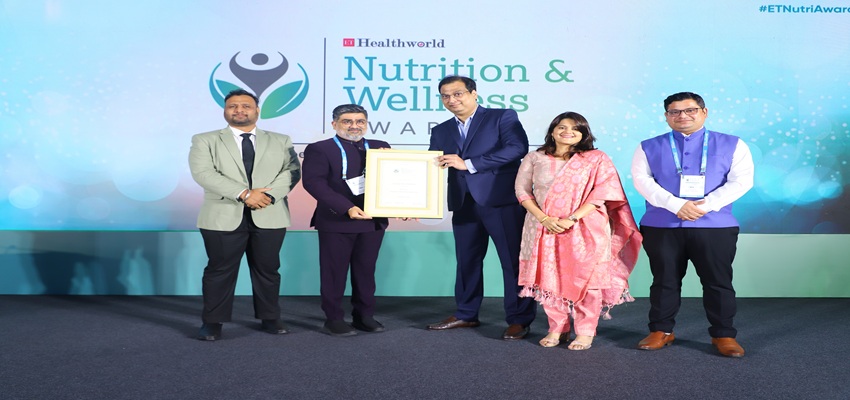
Institute of Good Manufacturing Practices India a part of the Grand Jury for the prestigious Nutriwell Conclave and Healthcare Awards, 2025: Our Director presenting the awards