
(An Autonomous Body Recognized by Ministry of Commerce & Industry, Government of India)
Competency based placement focussed Education | Training | Research | Consultancy




C-6, Qutab Institutional Area, Near Old JNU Campus, New Delhi-110016
Regular | Part-time (Online Live Classes) Modes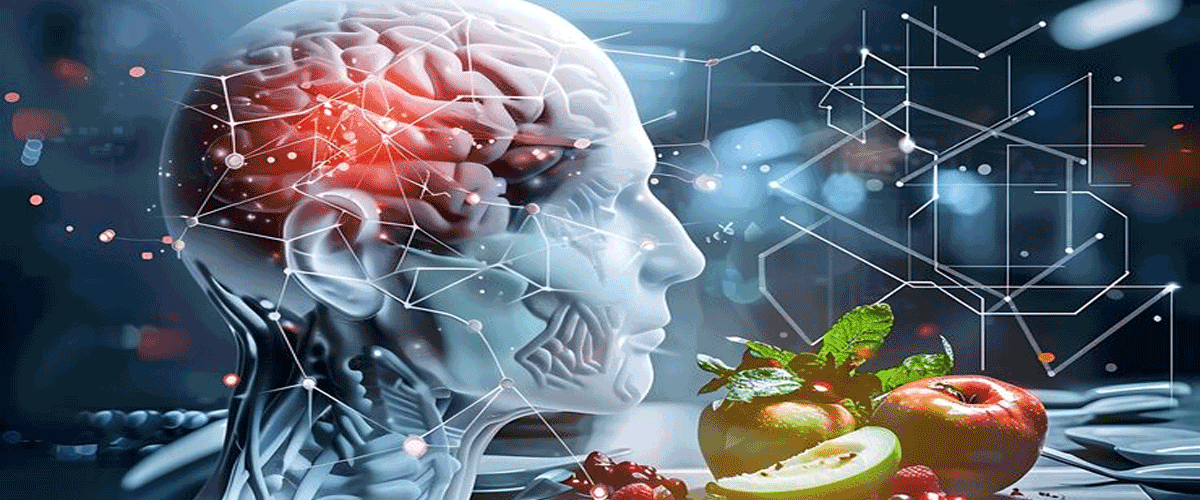
Astringent Flavanols May Stimulate the Brain Through Taste, Not Absorption
The dry, puckering sensation caused by cocoa, berries, and red wine may do more than affect taste—it could actively stimulate the brain. These foods are rich in flavanols, a type of polyphenol long associated with improved memory, cognitive performance, and brain cell protection. Yet flavanols are poorly absorbed during digestion, raising questions about how they influence brain function.
A study led by researchers at Japan’s Shibaura Institute of Technology proposes a new explanation. Published in Current Research in Food Science, the research suggests that the astringent taste of flavanols itself acts as a sensory signal. In mouse experiments, oral flavanol intake increased activity, exploration, and learning ability. Brain analysis showed elevated levels of dopamine and norepinephrine—neurotransmitters linked to attention, motivation, and stress response.
The findings indicate that flavanols may activate the central nervous system through sensory nerves, producing effects similar to mild exercise. This supports the emerging concept of “sensory nutrition,” where how food feels may be as important as what it contains.
09-02-2026
📰 Recent News
- Daily Peanut Consumption Linked to Changes in Brain Insulin Responsiveness Among Older Adults
- Food Processing May Influence Metabolism and Brain Activity Beyond Nutritional Content, Study Finds
- MIND Diet Linked to Slower Brain Ageing in Long-Term Study
- Overall Diet Quality Emerges as a Key Factor in Heart Health
- Study Questions Whether Dietary Guidelines Fully Support Healthy and Sustainable Eating
- Healthier Packaged Foods Could Help Reduce Diet-Related Deaths
- Food Packaging Health Claims May Not Reflect Overall Nutritional Quality
- FSSAI Proposes Single-Phase Warning Labels for Packaged Foods
- Pregnancy Nutrition Programme Linked to Greater Fetal Brain Growth
- India’s Packaged Food Boom Fuels Debate Over Nutrition and Warning Labels