
(An Autonomous Body Recognized by Ministry of Commerce & Industry, Government of India)
Competency based placement focussed Education | Training | Research | Consultancy



C-6, Qutab Institutional Area, Near Old JNU Campus, New Delhi-110016
Regular | Part-time (Online Live Classes) Modes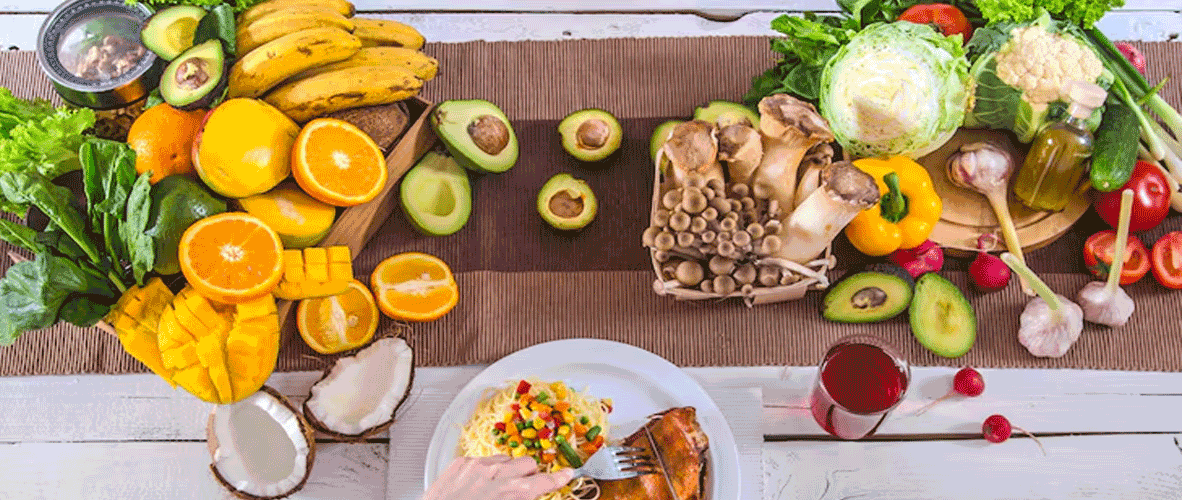
Whole Foods May Activate a Natural Drive for Nutrients Over Calories
Eating unprocessed foods may trigger an internal mechanism that guides people to prioritize nutrients rather than calories, potentially supporting healthier weight management. New research from the University of Bristol suggests that when people follow a whole-food diet, they naturally consume larger quantities of fruits and vegetables while taking in fewer overall calories.
In an analysis published in The American Journal of Clinical Nutrition, participants eating only unprocessed foods consumed about 57% more food by weight than those eating ultra-processed foods. Despite this, their daily calorie intake was roughly 330 calories lower. This pattern emerged because participants gravitated toward nutrient-dense, low-calorie foods such as fruits and vegetables, while limiting energy-dense options like meat, pasta, and butter.
Researchers describe this behavior as “micronutrient deleveraging,” where the body appears to seek vitamins and minerals first. Ultra-processed foods disrupt this balance by delivering both high calories and fortified nutrients at once, potentially driving overeating. The findings suggest that whole foods help restore a natural, healthier relationship with eating.
08-02-2026
📰 Recent News
- Daily Peanut Consumption Linked to Changes in Brain Insulin Responsiveness Among Older Adults
- Food Processing May Influence Metabolism and Brain Activity Beyond Nutritional Content, Study Finds
- MIND Diet Linked to Slower Brain Ageing in Long-Term Study
- Overall Diet Quality Emerges as a Key Factor in Heart Health
- Study Questions Whether Dietary Guidelines Fully Support Healthy and Sustainable Eating
- Healthier Packaged Foods Could Help Reduce Diet-Related Deaths
- Food Packaging Health Claims May Not Reflect Overall Nutritional Quality
- FSSAI Proposes Single-Phase Warning Labels for Packaged Foods
- Pregnancy Nutrition Programme Linked to Greater Fetal Brain Growth
- India’s Packaged Food Boom Fuels Debate Over Nutrition and Warning Labels