
(An Autonomous Body Recognized by Ministry of Commerce & Industry, Government of India)
Competency based placement focussed Education | Training | Research | Consultancy



C-6, Qutab Institutional Area, Near Old JNU Campus, New Delhi-110016
Regular | Part-time (Online Live Classes) Modes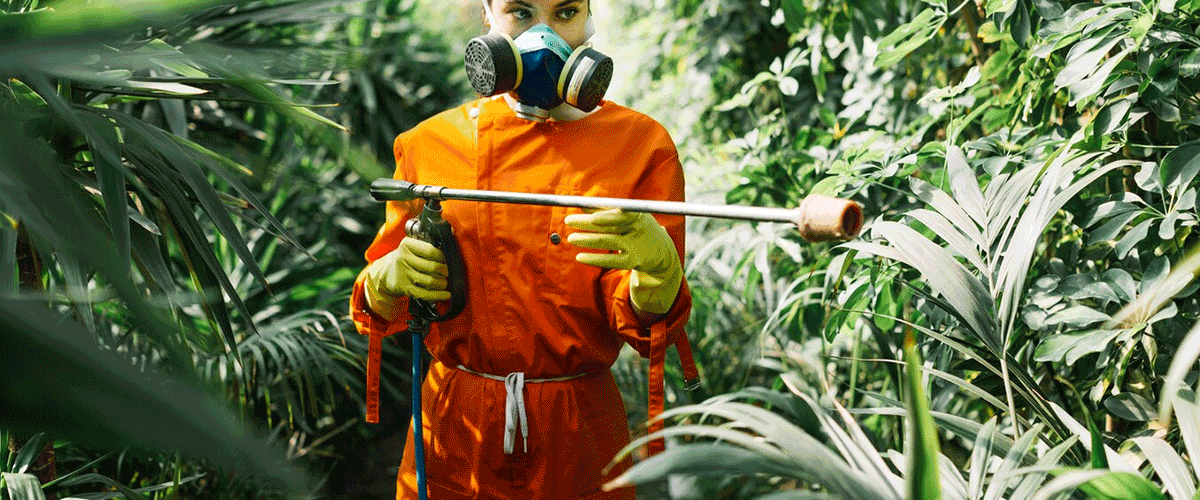
Global Pesticide Toxicity Rising Despite UN Biodiversity Pledge
Ecological damage from pesticides is increasing worldwide, with insects, soil organisms, fish, pollinators and terrestrial plants among the most affected, according to a new study. Between 2013 and 2019, toxicity to insects rose 42.9%, while harm to soil organisms climbed 30.8%. Only aquatic plants and land-based vertebrates saw declines in risk.
Researchers assessed 625 pesticides across 65 countries using the UN’s total applied toxicity (TAT) indicator, which measures harm across species groups. While Europe and China recorded declines—following pesticide restrictions—toxicity rose sharply in parts of Africa, India, the US, Brazil and Russia. Chile is the only nation currently on track to meet the UN goal of halving pesticide risks by 2030.
Scientists warn that growing pesticide use—now about 4 million tons annually—may be silently impairing ecosystems. They call for stronger global action, improved monitoring data and a shift toward less toxic and more sustainable farming practices.
10-02-2026
📰 Recent News
- El Niño Forecast to Intensify, Raising the Risk of Extreme Weather Through Early 2027
- Mining and Oil Exploration Put Millions of Hectares of Protected Tropical Ecosystems at Risk
- Delhi Records Lowest September Average AQI in Five Years
- UN Calls for Urgent Action to Restore the World’s Forests
- Arctic Ocean Currents Found to Speed Carbon-Rich Phytoplankton to the Seafloor
- India’s Major Reservoirs Reach a Ten-Year Low as Monsoon Ends
- Indian Ecologists Call for Wider Ecosystem Monitoring Ahead of Expected El Niño
- Seven of Earth’s Nine Planetary Boundaries Now Breached, Scientists Warn
- Climate Change Linked to Glacier Collapse Behind Nepal-Tibet Floods
- Google Backs Large-Scale Carbon Removal Project in Brazil