
(An Autonomous Body Recognized by Ministry of Commerce & Industry, Government of India)
Competency based placement focussed Education | Training | Research | Consultancy

C-6, Qutab Institutional Area, Near Old JNU Campus, New Delhi-110016
Regular | Part-time (Online Live Classes) Modes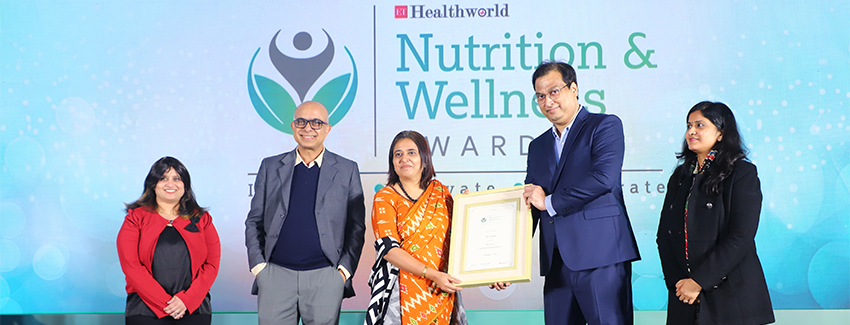









Professional Certification in ISO 14064 Greenhouse Gas (GHG) Lead Verifier
About the Programme
Greenhouse Gas (GHG) quantification, reporting, verification, and validation have become critical components of corporate sustainability, ESG reporting, carbon neutrality commitments, climate risk management, and regulatory compliance. Organizations worldwide are increasingly required to demonstrate the accuracy and credibility of their greenhouse gas inventories, carbon footprint assessments, and emission reduction claims.
The ISO 14064 series provides internationally recognized requirements and guidance for quantifying, monitoring, reporting, validating, and verifying greenhouse gas emissions and removals. ISO 14064-1 focuses on organizational GHG inventories, ISO 14064-2 addresses project-level emission reductions and removals, while ISO 14064-3 provides principles and requirements for verification and validation activities.
This programme is designed to develop competent GHG Lead Verifiers capable of conducting independent verification and validation of greenhouse gas assertions in accordance with ISO 14064, ISO 14065, ISO 14066, and international best practices. The programme combines theoretical concepts, practical verification exercises, case studies, audit simulations, and reporting methodologies to prepare participants for professional roles in carbon management, sustainability assurance, ESG reporting, and climate governance.
Programme Structure
Module 1: Climate Change, Carbon Management and GHG Accounting Fundamentals
- Fundamentals of climate change science
- Greenhouse effect and global warming
- Major greenhouse gases and their characteristics
- Global Warming Potential (GWP)
- Carbon cycle and climate systems
- International climate agreements and frameworks
- Net Zero, Carbon Neutrality and Decarbonization
- Role of GHG accounting in sustainability and ESG
- Introduction to organizational carbon footprints
- Business benefits of GHG management
Module 2: ISO 14064 Standards and GHG Reporting Frameworks
- Overview of the ISO 14064 series
- ISO 14064-1: Organizational GHG inventories
- ISO 14064-2: Project-level GHG accounting
- ISO 14064-3: Verification and validation requirements
- Relationship with ISO 14065 and ISO 14066
- GHG Protocol Corporate Standard
- Scope 1, Scope 2 and Scope 3 emissions
- Intergovernmental Panel on Climate Change (IPCC) Guidelines
- ESG reporting and carbon disclosure frameworks
- Regulatory drivers for GHG reporting
Module 3: Organizational GHG Inventory Development
- Organizational and operational boundaries
- Equity share and control approaches
- Identification of emission sources and sinks
- Direct and indirect emissions
- Activity data collection methodologies
- Emission factors and calculation methods
- Quantification of GHG emissions and removals
- Base year selection and recalculation procedures
- Data quality management systems
- Inventory documentation requirements
Module 4: GHG Quantification, Monitoring and Uncertainty Assessment
- Quantification methodologies
- Monitoring plans and procedures
- Data management systems
- Measurement versus estimation approaches
- Sampling techniques
- Data validation and verification checks
- Uncertainty assessment methods
- Materiality assessment
- Risk identification and evaluation
- Quality assurance and quality control (QA/QC)
Module 5: ISO 14064-2 Project-Based GHG Accounting
- Principles of project-level GHG accounting
- Emission reduction and removal projects
- Renewable energy projects
- Energy efficiency projects
- Carbon sequestration and forestry projects
- Baseline scenario development
- Additionality assessment
- Leakage assessment
- Project monitoring requirements
- Project documentation and reporting
Module 6: ISO 14064-3 Verification and Validation Principles
- Fundamentals of validation and verification
- Verification principles and ethics
- Independence and impartiality
- Professional judgment
- Evidence-based verification
- Verification criteria and objectives
- Validation versus verification
- Verification levels and assurance requirements
- Materiality and significance determination
- Verification planning process
Module 7: GHG Verification Process and Audit Techniques
- Verification planning and preparation
- Risk-based verification approach
- Sampling methodologies
- Interviewing techniques
- Site assessment and field verification
- Collection and evaluation of evidence
- Identification of nonconformities
Module 8: Verification Reporting, Lead Verifier Competencies and Case Studies
- Preparation of verification statements
- Communication and stakeholder engagement
- Conflict resolution during audits
- Accreditation requirements under ISO 14065
- Competence requirements under ISO 14066
- Industrial case studies
- Future trends in carbon markets and climate assurance
Eligibility
- Graduates and Diploma holders in Engineering, Science, Environmental Science, Sustainability, Energy Management, or allied disciplines
- ESG and Sustainability Professionals
- Environmental Consultants and Auditors
- Carbon Accounting and Climate Professionals
- Energy Managers and EHS Professionals
- Internal Auditors and Management System Auditors
- Faculty Members, Researchers and Students
- Professionals involved in ESG, Carbon Management, Net Zero and Climate Reporting
Programme Duration
5 Days
Programme Mode
Registration may be offered in:
- Online Live Classes
- Classroom Training
- Corporate Training Programmes
Programme Deliverables
- Comprehensive study material covering all modules
- ISO 14064 verification templates and checklists
- Practical verification exercises and audit simulations
- Case studies from industry sectors
- Interactive sessions with subject matter experts
- Soft copies of training resources
- Participant feedback and evaluation
Assessment & Certification
An assessment shall be conducted at the end of the programme. Participants successfully completing the assessment requirements will be awarded the:
Professional Certification in ISO 14064 Greenhouse Gas (GHG) Lead Verifier by the Centre for Environmental Health and Safety (CEHS).
Future Career & Organizational Benefits
Participants may pursue professional roles such as:
- GHG Lead Verifier
- Carbon Auditor
- Sustainability Consultant
- ESG Assurance Specialist
- Climate Change Consultant
- Carbon Footprint Analyst
- Environmental Auditor
- Net Zero Programme Manager
- Sustainability Reporting Specialist
- Verification and Validation Professional
Organizational benefits include:
- Improved carbon accounting systems
- Enhanced ESG reporting credibility
- Compliance with international GHG standards
- Strengthened climate governance frameworks
- Better support for Net Zero and decarbonization strategies
- Increased stakeholder confidence in GHG disclosures
Programme Fee Details
Programme fee details will appear here.
Last date for submitting completed Application Form: 28th Oct 2026.
For further enquiries, call or write to us on:
18001031071
(Toll Free -9:00 am to 5:30 pm IST-except on Central Government holidays)/
info@igmpi.ac.in
NEWSLETTER
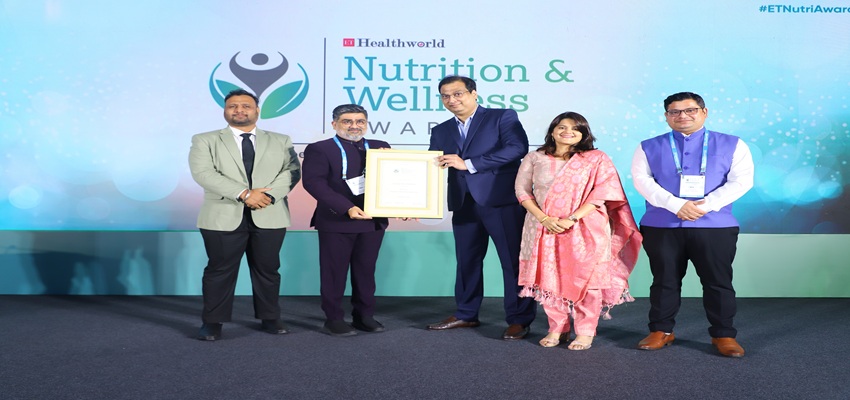
Institute of Good Manufacturing Practices India a part of the Grand Jury for the prestigious Nutriwell Conclave and Healthcare Awards, 2025: Our Director presenting the awards