(An Autonomous Body Recognized by Ministry of Commerce & Industry, Government of India)
Competency based placement focussed Education | Training | Research | Consultancy

C-6, Qutab Institutional Area, Near Old JNU Campus, New Delhi-110016
Regular | Part-time (Online Live Classes) Modes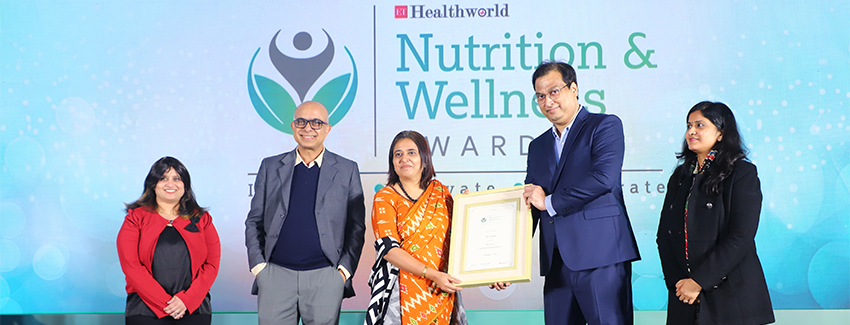





Professional Certification in Antibody Engineering (PCAE)
Therapeutic antibodies have revolutionised the treatment of cancer, autoimmune diseases, infectious diseases, and several chronic disorders, making antibody engineering one of the most dynamic and rapidly evolving fields in modern biopharmaceutical science. Advances in recombinant DNA technology, protein engineering, structural biology, and artificial intelligence have accelerated the development of highly specific and effective antibody-based therapeutics.
The Professional Certification in Antibody Engineering (PCAE) is designed to provide participants with a comprehensive understanding of the principles and applications of antibody engineering across the entire therapeutic development pipeline. The programme covers antibody discovery technologies, recombinant antibody engineering, structural and computational analysis, antibody–antigen interactions, expression and characterisation, pharmacology, manufacturing, quality assessment, regulatory requirements, and emerging innovations in therapeutic antibody development.
The curriculum combines scientific fundamentals with industry-oriented applications, enabling participants to understand contemporary antibody engineering strategies and the computational tools commonly employed in biologics research and development.
Programme Structure
International Affiliation with
Programme Structure
International Affiliation with
Module 1. Fundamentals of Antibody Engineering
- Immune system and adaptive immunity
- Antibody structure and function
- Antibody diversity and maturation
- Antigen–antibody interactions
- Therapeutic mechanisms of antibodies
- Therapeutic antibody landscape
Module 2. Antibody Discovery Technologies
- Hybridoma technology
- Phage display
- Yeast display and ribosome display
- Single B-cell antibody discovery
- Antibody library construction and screening
- Lead antibody identification and selection
Module 3. Antibody Sequence Analysis and Design
- Retrieving antibody sequences from UniProt and IMGT
- Performing germline gene assignment and V(D)J analysis using IgBLAST
- Identifying framework regions and CDRs using IMGT/V-QUEST
- Comparing antibody sequences using Clustal Omega
- Sequence annotation and therapeutic antibody analysis
- Designing and optimising antibody sequences for engineering
Module 4. Recombinant Antibody Engineering
- Recombinant antibody design and expression constructs
- Humanisation and CDR grafting
- Affinity maturation strategies
- Fc engineering for improved effector functions
- Stability and developability engineering
- Rational antibody optimisation
Module 5. Antibody Formats and Engineering Strategies
- Monoclonal antibodies
- Antibody fragments (Fab, scFv and diabodies)
- Nanobodies
- Bispecific and multispecific antibodies
- Antibody–drug conjugates
- Fc-fusion proteins and engineered antibody formats
Module 6. Structural Antibody Engineering
- Fundamentals of antibody three-dimensional structure and domain organisation
- Predicting antibody structures using ColabFold (AlphaFold)
- Validating predicted structures
- Visualising and analysing antibody structures using PyMOL
- Identifying epitopes and paratopes through structural analysis
- Applying structure-guided engineering to optimise antibody affinity, specificity and stability
Module 7. Antibody–Antigen Interaction Engineering
- Understanding molecular recognition and binding interfaces
- Predicting B-cell epitopes using the IEDB Analysis Resource
- Performing antibody–antigen docking using HADDOCK
- Analysing binding interfaces using PDBePISA
- Interpreting affinity and specificity for antibody optimisation
- Applying computational insights to improve antibody binding
Module 8. Antibody Expression, Characterisation and Quality Assessment
- Mammalian and microbial expression systems
- Antibody purification strategies
- Physicochemical characterisation
- Functional characterisation and biological activity assays
- Glycosylation, aggregation and stability assessment
- Developability and quality attribute evaluation
Module 9. Computational Antibody Engineering
- Mining therapeutic antibody structures from SAbDab and the Protein Data Bank (PDB)
- Comparative structural analysis of therapeutic antibodies
- Integrating sequence and structural information for antibody optimisation
- AI-assisted interpretation of antibody structures
- Computational evaluation of engineered antibody candidates
- Case studies in computational antibody engineering
Module 10. Pharmacology and Clinical Development of Therapeutic Antibodies
- Mechanisms of action of therapeutic antibodies
- Pharmacokinetics and pharmacodynamics
- Immunogenicity and anti-drug antibodies
- Biomarkers and patient selection
- Clinical development pathway
Module 11. Manufacturing and Regulatory Considerations
- Upstream processing and recombinant antibody production
- Downstream purification and process development
- Critical quality attributes and process control
- Good Manufacturing Practices (GMP)
- Regulatory requirements for therapeutic antibodies
- Chemistry, Manufacturing and Controls (CMC)
Module 12. Industry Case Study
Eligibility
Graduates in any discipline are eligible for our Post Graduate Diploma, Executive Diploma and Professional Certifications Programmes. 10+2 pass-outs are eligible for our Under Graduate Diploma and Diploma holders of two to three years course duration are also eligible for the PG Diploma.
Programme Duration
The minimum duration to complete the Professional Certification programme is 6 months and maximum is 12 months.
Programme Mode
Registration is currently open for Part-time (Online Live Classes) mode.
Programme Deliverables
A comprehensive study material (for 6 months Professional Certification) for all the modules in hard copies ensuring the needs of the audience. The accompanying training material is appropriately aligned with the current Industry’s expectations.
- Assignments for all the programme modules for continuous evaluation and guidance.
- Interactive or online live sessions on all key areas of the programme giving all flexibility to the participants.
- Part-time (Online Live Classes) for all the modules will be conducted on the weekends. Moreover, a doubt clearing session will also be scheduled before the examination.
- All the efforts are made by IGMPI faculty members to make the entire programme modules easily understandable.
- Assessment and evaluation for all the programme modules in order to enhance the levels of competencies and skills of the participants leading towards the objective of application in the job.
- At the end of each programme modules, the trainers shall obtain feedback from the participants using specially designed questionnaires.
- All learning and training delivery initiatives shall be conducted in English.
Examination & Certification
All the participants are obliged to timely appear for an exam at the end of the programme. After successful completion, the participants will be awarded Professional Certification in Antibody Engineering by IGMPI. For all the above mentioned modules elaborate programme material, self-assessment assignments and project work details would be provided by the Institute from time to time. Details get updated on the webpage as well.
Discipline in Classes and Examination
Every student is required to observe a disciplined behaviour during her/his classes, assessments & examinations and to follow instructions from the Professors. Any act of indiscipline may result into discredit & it will be mentioned in her/his academic report.
Placement Assistance & Corporate Relations
For the Post Graduate Diploma, Undergraduate Diploma, Executive Diploma and Professional Certification Programmes, we will provide placement assistance after the completion of the programme. The Institute has partnered with many organizations for providing placement assistance to its students. The robust placement cell comprises senior level Human Resources professionals and Talent Acquisition experts which maintains close links with business and industry. The efforts of our placement cell also include helping with professional resume writing, interview skills & conducting mock interviews etc.
In recent months the Institute has witnessed more and more participation from professionals working with global healthcare like , Jhpiego, SELCO Foundation, TATA Foundation, Samarthan NGO, PSI, UNICEF, WHO, HCL Foundation, IPE Global, Optum, PATH, AIIMS, Action against Hunger, Ekta Shakti Foundation, Seva Foundation, India HIV-AIDS Alliance, HLFPPT, Deepak Foundation, Novartis, LalPath Labs Ltd., Fortis Healthcare Ltd., HealthCare Global Enterprises Ltd., Indraprastha Medical Corporation Ltd., Narayana Hrudayalaya Ltd., Piramal Enterprises Ltd., Wockhardt Ltd., Cactus Communications, Public Health Foundations of India, Cytel, Religare Health Insurance Company Ltd., Deloitte, DuPont Sustainable Solutions, Bain & Company, Alvarez & Marsal, McKinsey & Company, etc. The IGMPI’s Corporate Resource Division actively recommends our students and training participants for various job requirements and specialized roles to Human Resource, Talent Acquisition as well as the heads of various departments in Pharmaceutical, Healthcare industries on regular basis.
Future career prospects
The global demand for therapeutic antibodies continues to grow with increasing investment in monoclonal antibodies, bispecific antibodies, antibody–drug conjugates, nanobodies, and other next-generation biologics. Consequently, there is an increasing need for professionals with specialised knowledge of antibody discovery, engineering, computational biology, biologics manufacturing, and translational research.
Upon successful completion of the programme, participants may pursue opportunities in biopharmaceutical and biotechnology companies, contract research organisations (CROs), contract development and manufacturing organisations (CDMOs), vaccine and biologics manufacturers, academic and government research institutions, and regulatory organisations. The programme also provides valuable knowledge for professionals engaged in biologics research and development, protein engineering, computational biology, quality assurance, manufacturing sciences, regulatory affairs, and clinical development of therapeutic antibodies.
The knowledge and skills acquired through this programme also provide a strong foundation for advanced research and professional development in antibody engineering, immunotherapy, biologics innovation, and AI-assisted therapeutic discovery.
Programme Fee Details
Programme fee details will appear here.
Last date for submitting completed Application Form: 28th Oct 2026.
For further enquiries, call or write to us on:
18001031071
(Toll Free -9:00 am to 5:30 pm IST-except on Central Government holidays)/
info@igmpi.ac.in
GLOBALG.M.P.™ NEWSLETTER
- Spanish Regulator Suspends GMP Certification and Manufacturing Activities at OCB Pharmaceutical
- US FDA Closes Warning Letter Against Glenmark Pharmaceuticals Goa Facility
- Amorepacific Showcases AI-Based Research in Skin Science at IFSCC Congress
- Zydus Ahmedabad Facility Receives One Observation Following USFDA cGMP Inspection
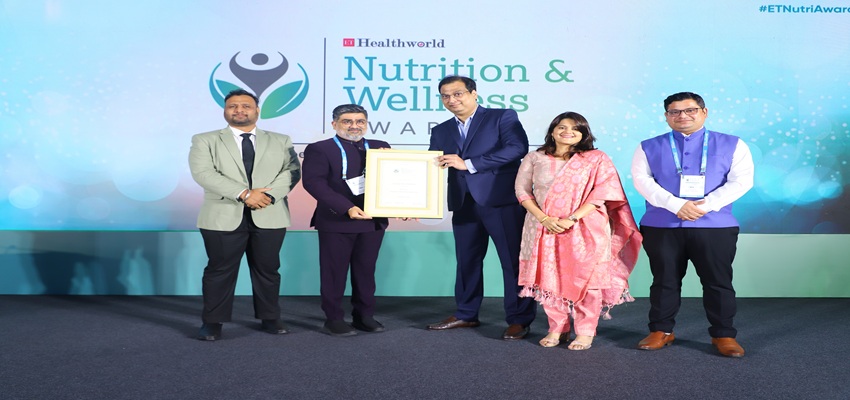
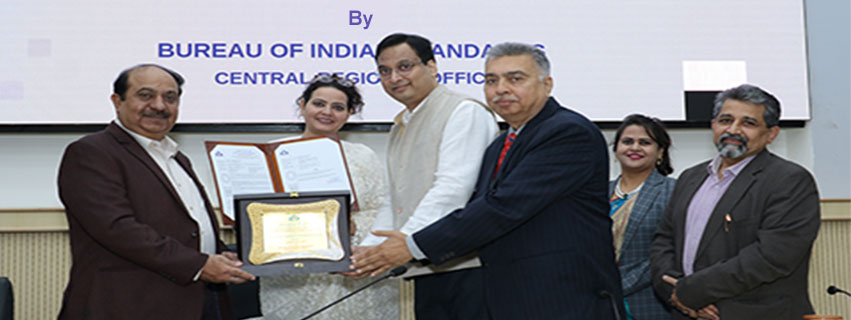
Institute of Good Manufacturing Practices India a part of the Grand Jury for the prestigious Nutriwell Conclave and Healthcare Awards, 2025: Our Director presenting the awards
The Mentorship Exchange: What FR&D leaders must learn & unlearn
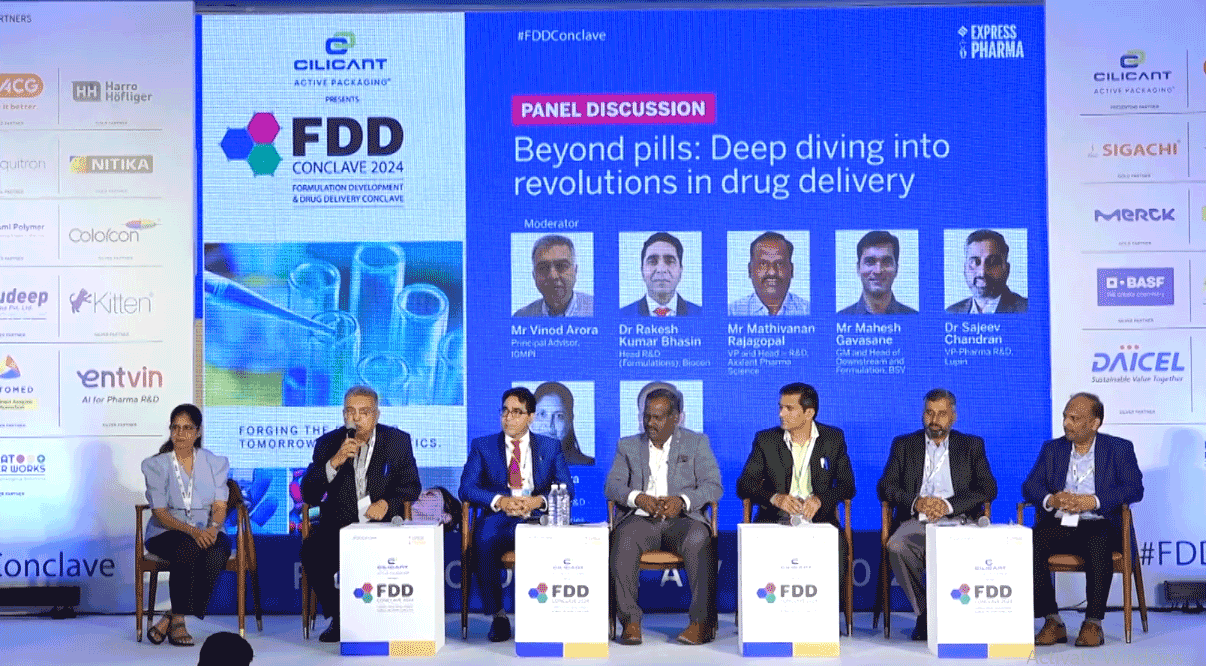
Beyond pills: Deep diving into revolutions in drug delivery
Moderated by IGMPI
Moderated by IGMPI (Building FR&D Talent in India)
Moderated by IGMPI
Moderated by IGMPI