
(An Autonomous Body Recognized by Ministry of Commerce & Industry, Government of India)
Competency based placement focussed Education | Training | Research | Consultancy



C-6, Qutab Institutional Area, Near Old JNU Campus, New Delhi-110016
Regular | Part-time (Online Live Classes) Modes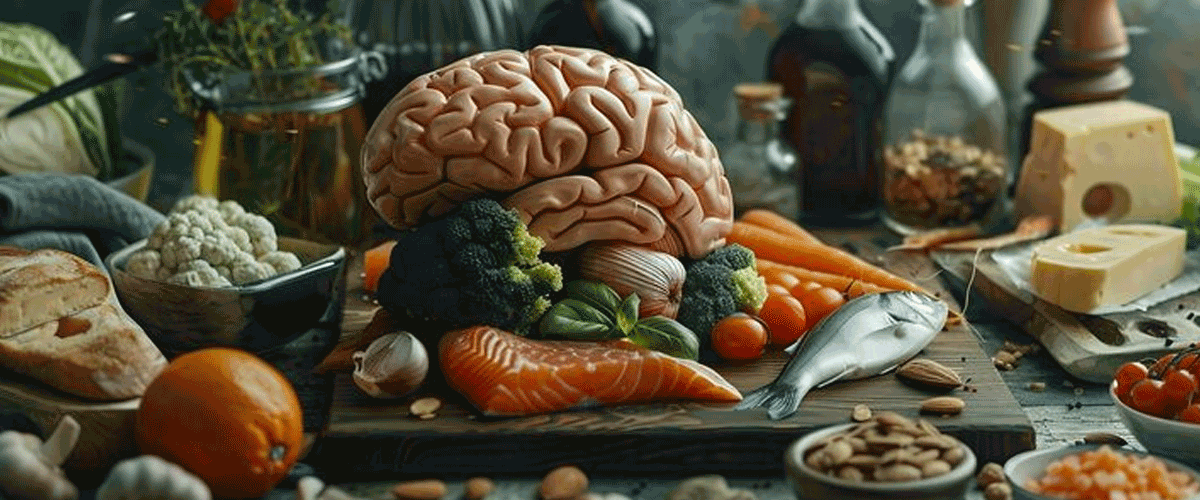
MIND Diet Linked to Slower Brain Ageing in Long-Term Study
Following the MIND diet may be associated with slower changes in brain structure as people age, according to a long-term study published in the Journal of Neurology, Neurosurgery & Psychiatry.
Researchers examined 1,647 middle-aged and older adults from the Framingham Heart Study Offspring cohort. Participants underwent repeated health assessments and brain MRI scans over several years, while their eating habits were evaluated through food-frequency questionnaires. The researchers then compared dietary patterns with changes in brain structure over time.
The MIND diet combines elements of the Mediterranean and DASH dietary approaches. It places emphasis on green leafy vegetables, other vegetables, berries, nuts, whole grains, fish, beans, olive oil and poultry. It also recommends limiting foods such as red meat, sweets, pastries and fried fast food.
During an average follow-up period of about 12 years, participants with higher MIND diet scores experienced slower loss of grey matter. The researchers reported that every three-point increase in the diet score was associated with approximately 20% less age-related grey-matter decline, a difference they described as equivalent to about 2.5 years of delayed brain ageing.
Some individual foods showed particularly notable associations. Higher berry and poultry consumption was linked with healthier changes in certain brain structures, while greater intake of sweets and fried fast foods was associated with less favourable changes.
The study also produced some unexpected findings, including associations between higher whole-grain intake and certain unfavourable structural changes. The researchers cautioned that these results require further investigation.
Importantly, the study was observational and therefore cannot establish that the MIND diet directly caused the slower brain changes. Dietary information was also based partly on participants' reported food intake, which can introduce recall errors.
01-10-2026
📰 Recent News
- MIND Diet Linked to Slower Brain Ageing in Long-Term Study
- Overall Diet Quality Emerges as a Key Factor in Heart Health
- Study Questions Whether Dietary Guidelines Fully Support Healthy and Sustainable Eating
- Healthier Packaged Foods Could Help Reduce Diet-Related Deaths
- Food Packaging Health Claims May Not Reflect Overall Nutritional Quality
- FSSAI Proposes Single-Phase Warning Labels for Packaged Foods
- Pregnancy Nutrition Programme Linked to Greater Fetal Brain Growth
- India’s Packaged Food Boom Fuels Debate Over Nutrition and Warning Labels
- Daily Nut Intake Associated With Reduced Risk of Developing Hypertension
- Late Eating Within a Shorter Food Window Linked to Poorer Metabolic Health