(An Autonomous Body Recognized by Ministry of Commerce & Industry, Government of India)
Competency based placement focussed Education | Training | Research | Consultancy

C-6, Qutab Institutional Area, Near Old JNU Campus, New Delhi-110016
Regular | Part-time (Online Live Classes) Modes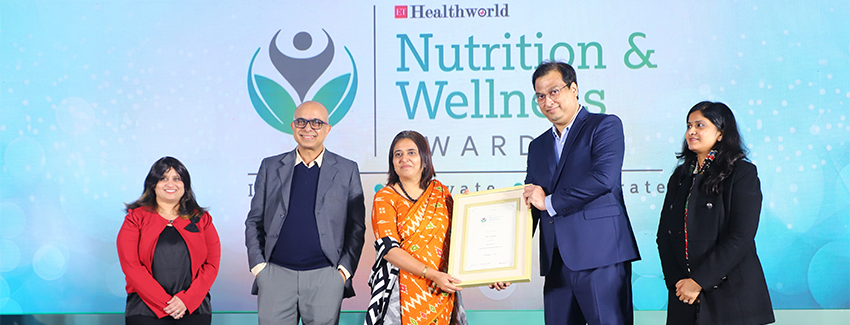






Post Graduate Diploma/Executive Diploma in Computational Pharmaceutics (PGCP/EDCP)
Course description
Computational Pharmaceutics is an emerging interdisciplinary field that integrates pharmaceutical sciences, mathematical modelling, computational simulations, data analytics, and artificial intelligence to improve the development, optimisation, and performance of pharmaceutical products. It involves the application of computational approaches to understand drug properties, predict formulation behaviour, model drug release and absorption, and evaluate drug delivery systems. The programme focuses on the application of computational methods across preformulation, pharmaceutical formulation development, biopharmaceutics, pharmacokinetics, physiologically based pharmacokinetic (PBPK) modelling, and pharmaceutical process optimisation. It introduces learners to data-driven approaches for predicting critical quality attributes, optimising formulation variables, understanding drug-excipient interactions, and assessing the influence of physiological and formulation parameters on drug performance.
Designed in response to the growing adoption of digital technologies and model-informed approaches in the pharmaceutical industry, it is suitable for pharmacy graduates, pharmaceutical scientists, researchers, and professionals seeking to strengthen their expertise in formulation development, drug delivery, pharmacokinetics, and computational pharmaceutical research. The programme combines theoretical learning with software-based practical exercises, industry-relevant case studies, and a capstone project. It serves as a refresher and upskilling opportunity for professionals already working in the pharmaceutical sector, while also providing an introduction to computational methods for graduates aspiring to enter pharmaceutical research, formulation development, biopharmaceutics, and related scientific roles.
Target audience
The programme is suitable for:
- Students and graduates in pharmacy, pharmaceutical sciences, medicinal chemistry, chemistry, biotechnology, biochemistry, bioinformatics and related life sciences.
- Postgraduate students and research scholars seeking to apply computational methods to drug discovery research.
- Scientists and research associates involved in compound screening, lead optimisation, molecular modelling and drug repurposing.
- Academicians and teaching professionals seeking to strengthen their knowledge of computational drug design and its practical applications.
A foundational understanding of chemistry and biology is desirable. Introductory computational concepts will be addressed to support participants from diverse academic backgrounds.
Programme structure
Module 1. Fundamentals of Computational Pharmaceutics
- Introduction, scope and evolution of computational pharmaceutics
- Traditional versus computational approaches to pharmaceutical development
- Applications in preformulation, formulation development and drug delivery
Module 2. Physicochemical Principles and Preformulation Modelling
- Solubility, pKa, partition coefficient and ionisation
- Dissolution, diffusion and drug permeability
- Solid-state properties, polymorphism and amorphous systems
- Drug-excipient compatibility and material properties
- Computational prediction of solubility and physicochemical behaviour
Module 3. Mathematical Modelling, Statistics and Data Analysis
- Essential mathematics for pharmaceutical modelling
- Descriptive statistics, probability and hypothesis testing
- Regression, correlation and model fitting
- Error analysis, uncertainty and sensitivity analysis
- Introduction to Python, spreads sheets and scientific data visualisation
Module 4. Computational Formulation Development and Optimisation
- Preformulation and formulation design
- Design of Experiments (DoE) and Quality by Design (QbD)
- Factorial designs, response surface methodology and optimisation
- Predictive models for tablet, capsule and liquid formulations
Module 5. Drug Release, Dissolution and Biopharmaceutic Modelling
- Drug dissolution and release mechanisms
- Zero-order, first-order, Higuchi and Korsmeyer-Peppas models
- In vitro dissolution data analysis
- IVIVC and IVIVR concepts and applications
Module 6. Fundamentals of Pharmacokinetics and PK Data Analysis
- ADME and concentration-time relationships
- Linearity and non-linearity in pharmacokinetics
- Compartmental and non-compartmental analysis
- AUC, Cmax, Tmax, clearance, half-life and volume of distribution
Module 7. Physiologically Based Pharmacokinetic (PBPK) Modelling
- Classical pharmacokinetic models versus PBPK models
- Model structure, Model development, assumptions and physiological parameters
- Drug-specific versus system-related input parameters
- Organ compartments, blood flow and tissue distribution
Module 8. Population Pharmacokinetics and Pharmacokinetic-Pharmacodynamic Modelling
- Population PK concepts and mixed-effects modelling
- Inter-individual and intra-individual variability
- Covariate analysis and special populations
- PK-PD relationships and exposure-response modelling
- Applications in clinical development and generic products
Module 9. Molecular Modelling and Computational Drug-Excipient Interactions
- Molecular structures, energy minimisation, interaction analysis
- Molecular mechanics and molecular dynamics fundamentals
- Molecular-level interpretation of compatibility and stability
Module 10. Biopharmaceutics, ADME Prediction and Bioavailability
- Biopharmaceutics Classification System (BCS)
- Solubility, permeability and bioavailability relationships
- In silico ADME prediction and its limitations
- Food effects, drug interactions and absorption variability
- Linking formulation characteristics to systemic exposure
Module 11. Process Modelling, Digital Twins and Pharmaceutical Manufacturing
- Modelling of blending, granulation, drying and tableting
- Process parameters and critical quality attributes
- Process analytical technology and data integration
- Digital twins and process simulation concepts
- Scale-up, technology transfer and manufacturing optimisation
Module 12. Model Validation, Regulatory Science and Data Integrity
- Model qualification, verification and validation
- Good Modelling Practice principles and documentation
- ICH Q8, Q9 and Q10 concepts relevant to pharmaceutical development
- Data integrity, reproducibility, version control and audit trails
Eligibility
Graduates in any discipline are eligible for our Post Graduate Diploma, Executive Diploma and Professional Certifications Programmes. 10+2 pass-outs are eligible for our Under Graduate Diploma and Diploma holders of two to three years course duration are also eligible for the PG Diploma.
Programme Duration
The minimum duration to complete the PG diploma programme is 12 months and maximum is 24 months. The minimum duration to complete the executive diploma programme is 6 months and maximum is 12 months.
Programme Mode
Registrations are currently open for regular and Part-time (Online Live Classes) both modes.
Programme Deliverables
The accompanying training is appropriately aligned with the current Industry’s expectations.
- Interactive or online live sessions on all key areas of the programme giving all flexibility to the participants.
- All the efforts are made by IGMPI faculty members to make the entire programme modules easily understandable.
- Assessment and evaluation for all the programme modules in order to enhance the levels of competencies and skills of the participants leading towards the objective of application in the job.
- At the end of each programme modules, the trainers shall obtain feedback from the participants using specially designed questionnaires.
- All learning and training delivery initiatives shall be conducted in English.
Examination & Certification
IGMPI follows a credit system based on all learning activities involved in studying for all PG Diploma, Executive Diploma and Certificate Programmes.
All the participants are expected to appear for an online exam and are also obliged to submit assignments after each module. After successful completion, the participants will be awarded Post Graduate Diploma/Executive Diploma in Computational Pharmaceutics by IGMPI. For all the above-mentioned modules, Part-time (Online Live Classes) or face-to-face classes (Regular mode), elaborate programme material, self-assessment assignments would be provided by the Institute. Details get updated on the webpage as well.
Discipline in Classes and Examination
Every student is required to observe a disciplined behaviour during her/his classes, assessments & examinations and to follow instructions from the Professors. Any act of indiscipline may result into discredit & it will be mentioned in her/his academic report.
Placement Assistance & Corporate Relations
For the Post Graduate Diploma, Undergraduate Diploma, Executive Diploma and Professional Certification Programmes, we will provide placement assistance after the completion of the programme. The Institute has partnered with many organizations for providing placement assistance to its students. The robust placement cell comprises senior level Human Resources professionals and Talent Acquisition experts which maintains close links with business and industry. The efforts of our placement cell also include helping with professional resume writing, interview skills & conducting mock interviews etc.
In recent months the Institute has witnessed more and more participation from professionals working with global healthcare like , Jhpiego, SELCO Foundation, TATA Foundation, Samarthan NGO, PSI, UNICEF, WHO, HCL Foundation, IPE Global, Optum, PATH, AIIMS, Action against Hunger, Ekta Shakti Foundation, Seva Foundation, India HIV-AIDS Alliance, HLFPPT, Deepak Foundation, Novartis, LalPath Labs Ltd., Fortis Healthcare Ltd., HealthCare Global Enterprises Ltd., Indraprastha Medical Corporation Ltd., Narayana Hrudayalaya Ltd., Piramal Enterprises Ltd., Wockhardt Ltd., Cactus Communications, Public Health Foundations of India, Cytel, Religare Health Insurance Company Ltd., Deloitte, DuPont Sustainable Solutions, Bain & Company, Alvarez & Marsal, McKinsey & Company, etc. The IGMPI’s Corporate Resource Division actively recommends our students and training participants for various job requirements and specialized roles to Human Resource, Talent Acquisition as well as the heads of various departments in Pharmaceutical, Healthcare industries on regular basis.
Future Prospects
Knowledge gained through this programme can support participants in exploring research and professional opportunities in pharmaceutical companies, biotechnology organisations, contract research organisations (CROs), academic institutions and pharmaceutical technology start-ups working in computational pharmaceutics and data-driven research. Depending on their academic qualifications and practical experience, participants may pursue roles such as Computational Pharmaceutics Research Associate, Formulation Development Research Associate, Pharmacokinetic Modelling Associate, PBPK Modelling Research Associate, Pharmaceutical Data Analyst, AI/ML Research Associate in Pharmaceutical Sciences, or Drug Delivery Research Associate. The programme also provides a foundation for postgraduate research, doctoral studies and further specialisation in computational pharmaceutics, pharmaceutical modelling, biopharmaceutics, pharmacokinetics, formulation optimisation and artificial intelligence in pharmaceutical development. Through practical exercises and the capstone project, participants can develop skills in computational analysis, model interpretation, formulation prediction and evidence-based decision-making. Career progression will depend on relevant academic qualifications, practical project experience, proficiency in computational tools and programming, and continued professional development.
Programme Fee Details
Programme fee details will appear here.
Last date for submitting completed Application Form: 2nd Nov 2026.
For further enquiries, call or write to us on:
18001031071
(Toll Free -9:00 am to 5:30 pm IST-except on Central Government holidays)/
info@igmpi.ac.in
GLOBALG.M.P.™ NEWSLETTER
- Spanish Regulator Suspends GMP Certification and Manufacturing Activities at OCB Pharmaceutical
- US FDA Closes Warning Letter Against Glenmark Pharmaceuticals Goa Facility
- Amorepacific Showcases AI-Based Research in Skin Science at IFSCC Congress
- Zydus Ahmedabad Facility Receives One Observation Following USFDA cGMP Inspection
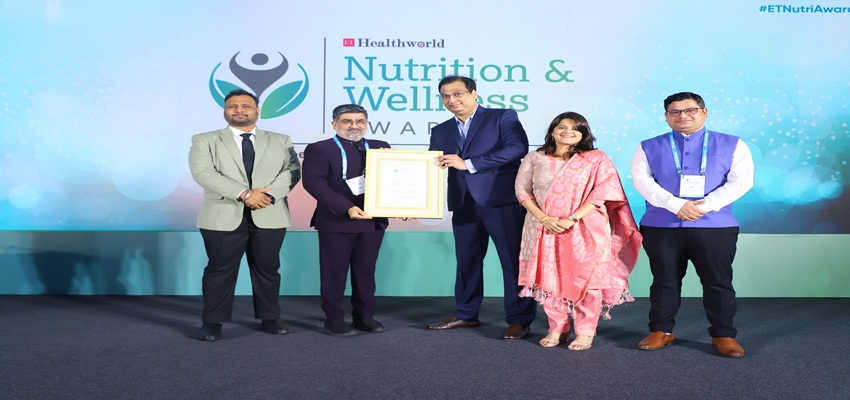
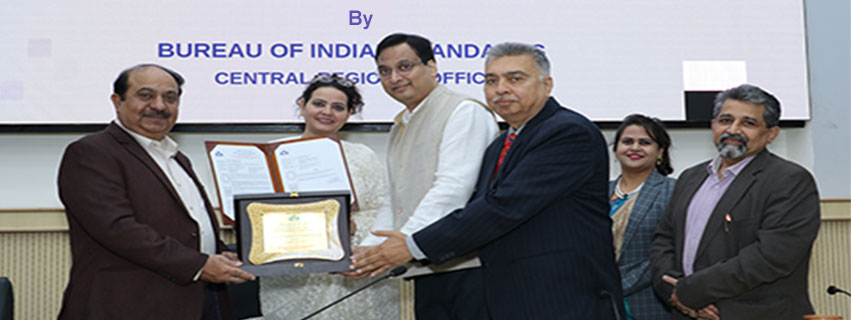
Institute of Good Manufacturing Practices India a part of the Grand Jury for the prestigious Nutriwell Conclave and Healthcare Awards, 2025: Our Director presenting the awards
The Mentorship Exchange: What FR&D leaders must learn & unlearn
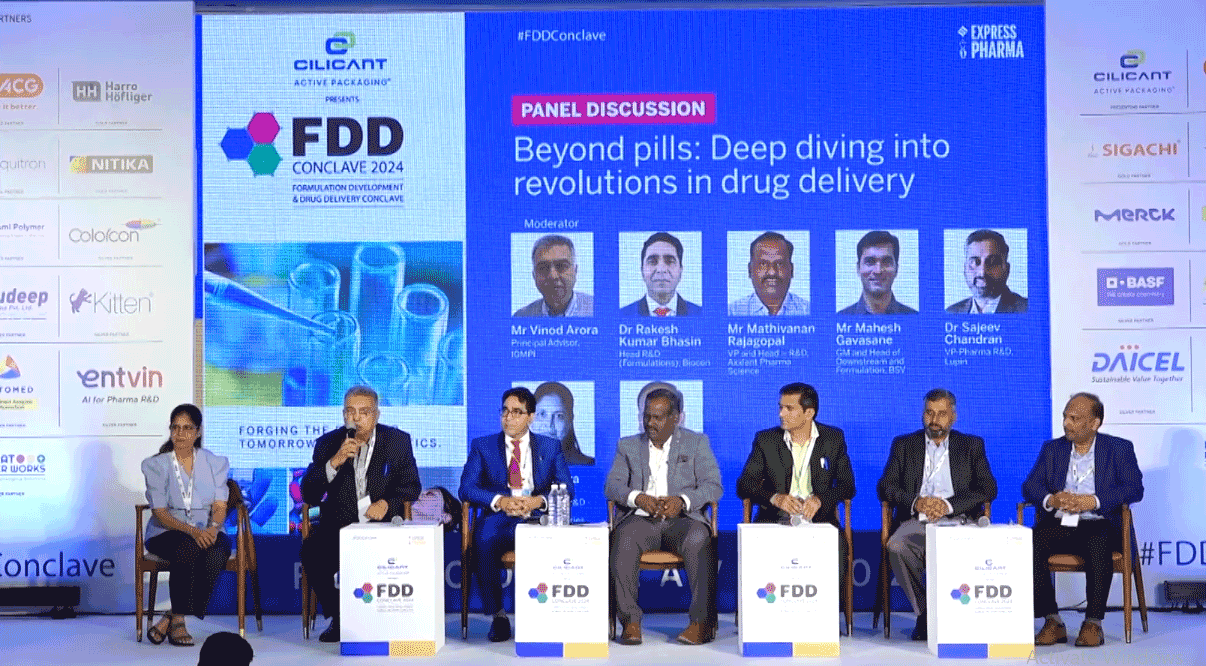
Beyond pills: Deep diving into revolutions in drug delivery
Moderated by IGMPI
Moderated by IGMPI (Building FR&D Talent in India)
Moderated by IGMPI
Moderated by IGMPI