
(An Autonomous Body Recognized by Ministry of Commerce & Industry, Government of India)
Competency based placement focussed Education | Training | Research | Consultancy



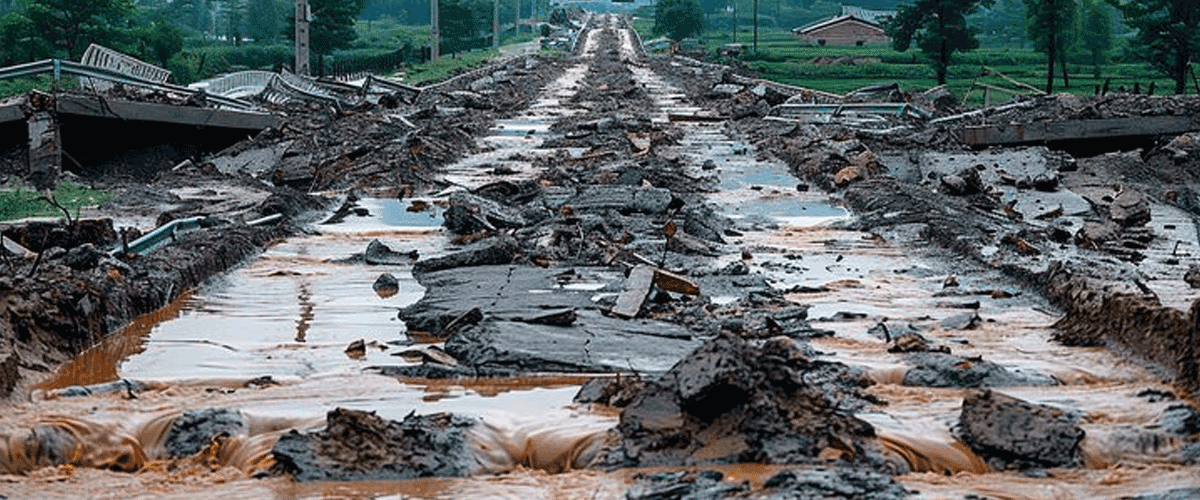
Extreme Weather Hits India on 92% of Days in 2026, Claims Over 3,200 Lives: CSE Report
India experienced extreme weather events on 92% of days during the first nine months of 2026, resulting in widespread loss of life, agricultural damage and destruction of property, according to a report released by the Centre for Science and Environment (CSE) and Down To Earth.
The report, titled Climate India 2026: An Assessment of Extreme Weather Events, revealed that extreme weather conditions claimed 3,220 lives between January and September 2026. Approximately 4.25 million hectares of agricultural land were affected, while 128,334 houses were destroyed and 47,244 livestock deaths were recorded.
The assessment examined various climatic events, including heatwaves, cold waves, lightning, storms, heavy rainfall, floods and landslides. Uttar Pradesh and Himachal Pradesh experienced the highest number of extreme-weather days, with Uttar Pradesh recording the maximum fatalities at 811, followed by Maharashtra and Bihar.
The report also analysed weather-related disasters over five years, from 2022 to 2026. During this period, extreme weather events caused more than 16,000 deaths and affected approximately 20.6 million hectares of agricultural land.
Changing seasonal patterns emerged as another major concern. February 2026 was recorded as India's driest February since 1901, while unusually high temperatures and unpredictable rainfall patterns affected several regions.
Despite the southwest monsoon recording rainfall below the long-term average, heavy rainfall, floods and landslides occurred somewhere in India throughout all 122 days of the monsoon season.
CSE Director General Sunita Narain highlighted the increasing frequency and geographical spread of extreme weather disasters. The findings emphasise the need for stronger climate-resilient infrastructure, improved disaster preparedness and long-term environmental protection measures.
04-11-2026
📰 Recent News
- Extreme Weather Hits India on 92% of Days in 2026, Claims Over 3,200 Lives: CSE Report
- El Niño Forecast to Intensify, Raising the Risk of Extreme Weather Through Early 2027
- Mining and Oil Exploration Put Millions of Hectares of Protected Tropical Ecosystems at Risk
- Delhi Records Lowest September Average AQI in Five Years
- UN Calls for Urgent Action to Restore the World’s Forests
- Arctic Ocean Currents Found to Speed Carbon-Rich Phytoplankton to the Seafloor
- India’s Major Reservoirs Reach a Ten-Year Low as Monsoon Ends
- Indian Ecologists Call for Wider Ecosystem Monitoring Ahead of Expected El Niño
- Seven of Earth’s Nine Planetary Boundaries Now Breached, Scientists Warn
- Climate Change Linked to Glacier Collapse Behind Nepal-Tibet Floods