
(An Autonomous Body Recognized by Ministry of Commerce & Industry, Government of India)
Competency based placement focussed Education | Training | Research | Consultancy



C-6, Qutab Institutional Area, Near Old JNU Campus, New Delhi-110016
Regular | Part-time (Online Live Classes) Modes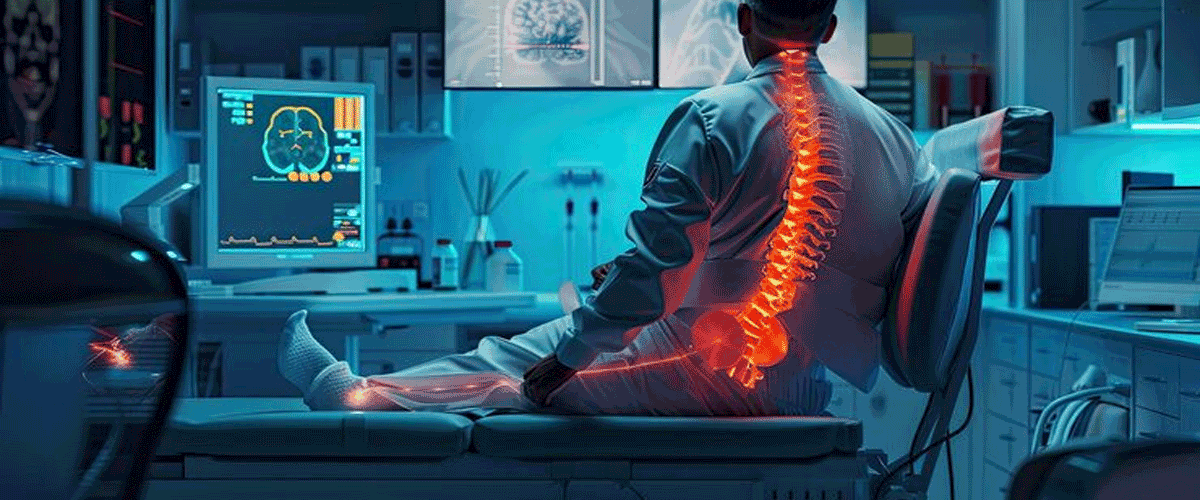
Boston Scientific Spinal Cord Stimulator Leads Recalled Following Reports of Serious Injuries
Boston Scientific's Infinion CX spinal cord stimulator leads have come under regulatory scrutiny following reports of device-related problems associated with more than 1,000 serious injuries.
The U.S. Food and Drug Administration (FDA) has identified the removal of affected unused devices as the most serious type of recall. The action covers certain 50 cm and 70 cm Infinion CX Lead Kits used as part of spinal cord stimulation systems for pain management.
According to the FDA, the lead body may experience mechanical stress at the anchor site. This can result in high impedance measurements or lead fractures, potentially causing inadequate stimulation. In some cases, additional medical intervention may be required, including removal and replacement of the implanted lead.
As of May 27, 2026, Boston Scientific had reported 1,081 serious injuries associated with the issue, with no reported deaths.
The company initially contacted affected customers on June 17, advising them to immediately stop using or distributing unused affected products, segregate the devices and return them. Importantly, the removal does not apply to leads that have already been implanted. The FDA has stated that patients with implanted devices do not require monitoring beyond routine clinical follow-up solely because of this recall.
The case illustrates the importance of post-market surveillance after a product enters clinical use. Complaint handling, adverse-event reporting, risk assessment and corrective action remain critical throughout a device's lifecycle.
The incident also demonstrates how a design-related problem can lead to regulatory intervention even after a medical device has reached the market.
10-09-2026
📰 Recent News
- FDA Warns of Philips Lumify Ultrasound Software Fault After Reports of Four Deaths
- India Expands Medical Device Safety Monitoring to Cover Software Failures and Cybersecurity Risks
- DTAB Proposes Clearer Regulatory Definition for IVD Medical Devices
- FDA Approves Adjustable Heart Valve Designed to Grow with Children
- FDA Classifies Recall of Boston Scientific Imager II Angiographic Catheters as Class I
- FDA Issues Draft Guidance for Robotically Assisted Surgical Devices
- Hospitals Asked to Strengthen Reporting of Medical Device-Related Adverse Events
- India Moves to Strengthen Regulatory Action Against Unsafe Medical Devices
- Diverging US and EU Positions Create Uncertainty Over PFAS in Medical Devices
- Maharashtra Orders High-Level Probe Into Steep Medical Device Price Markups