
(An Autonomous Body Recognized by Ministry of Commerce & Industry, Government of India)
Competency based placement focussed Education | Training | Research | Consultancy


C-6, Qutab Institutional Area, Near Old JNU Campus, New Delhi-110016
Regular | Part-time (Online Live Classes) Modes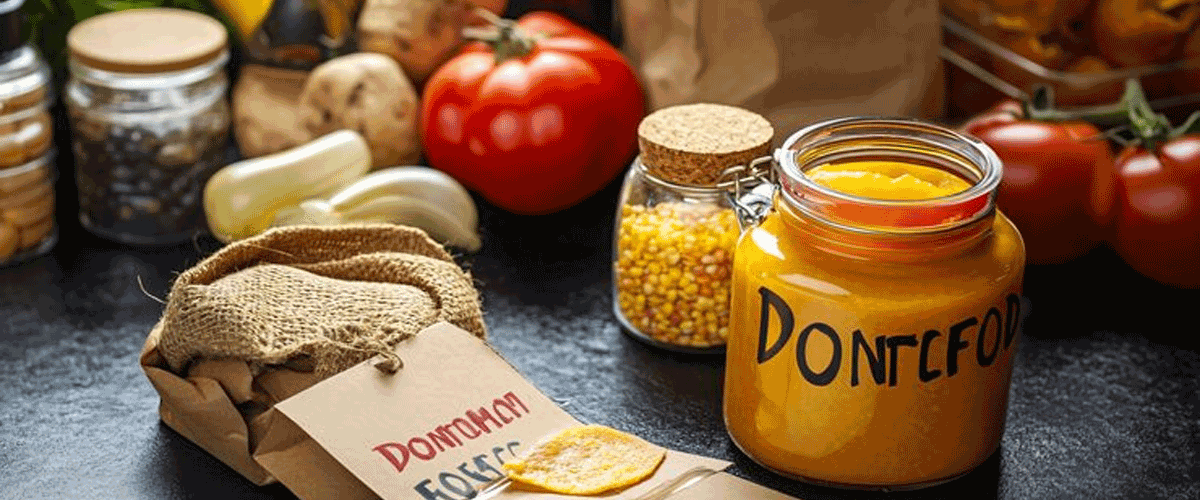
India’s Packaged Food Boom Fuels Debate Over Nutrition and Warning Labels
India’s growing dependence on affordable packaged foods has come under renewed scrutiny as regulators consider stronger warning labels for products containing high amounts of sugar, salt or saturated fat.
A Reuters report examined how products such as instant noodles, soft drinks and confectionery have become deeply embedded in everyday consumption. India’s relatively low household incomes have made inexpensive packaged products attractive to consumers, creating a large and expanding market for international food companies.
The country’s packaged food market was estimated at $137.25 billion in 2026, up from $129.18 billion the previous year, according to IMARC Group data cited by Reuters. Maggi instant noodles alone account for billions of meals consumed annually in India.
The debate has also focused on differences between formulations sold in India and those available in some overseas markets. Reuters reported that Maggi products in India use palm oil, while some versions sold in Britain use sunflower oil. Nestlé said product formulations vary according to local preferences, ingredient availability and other market conditions, while maintaining that its products meet Indian food-safety requirements.
The Food Safety and Standards Authority of India has been considering red warning labels for foods exceeding prescribed limits for added sugar, salt or saturated fat. The proposal has attracted attention from health advocates and opposition from parts of the food industry.
India also faces a substantial burden of diabetes, with more than 101 million people reported to be living with the condition.
As packaged foods become increasingly common, questions about affordability, formulation, consumer choice and nutritional quality are now central to the country’s wider food-policy discussion.
11-09-2026
📰 Recent News
- MIND Diet Linked to Slower Brain Ageing in Long-Term Study
- Overall Diet Quality Emerges as a Key Factor in Heart Health
- Study Questions Whether Dietary Guidelines Fully Support Healthy and Sustainable Eating
- Healthier Packaged Foods Could Help Reduce Diet-Related Deaths
- Food Packaging Health Claims May Not Reflect Overall Nutritional Quality
- FSSAI Proposes Single-Phase Warning Labels for Packaged Foods
- Pregnancy Nutrition Programme Linked to Greater Fetal Brain Growth
- India’s Packaged Food Boom Fuels Debate Over Nutrition and Warning Labels
- Daily Nut Intake Associated With Reduced Risk of Developing Hypertension
- Late Eating Within a Shorter Food Window Linked to Poorer Metabolic Health