
(An Autonomous Body Recognized by Ministry of Commerce & Industry, Government of India)
Competency based placement focussed Education | Training | Research | Consultancy



C-6, Qutab Institutional Area, Near Old JNU Campus, New Delhi-110016
Regular | Part-time (Online Live Classes) Modes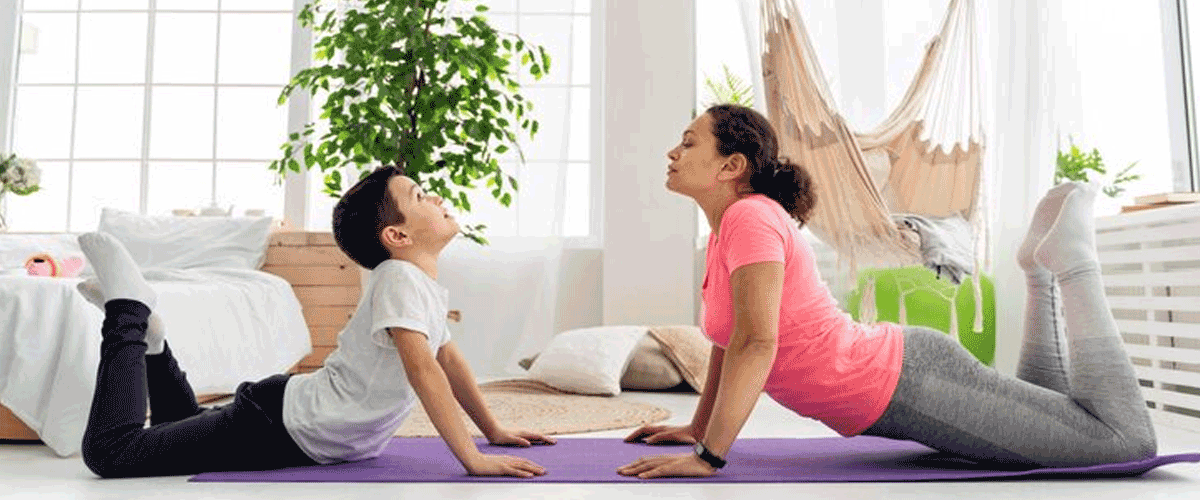
Combined Ayurveda and Yoga Approach Shows Promise in Managing Bedwetting Among Children
A clinical study conducted at the Institute of Teaching and Research in Ayurveda (ITRA), Jamnagar, has reported encouraging results from combining Ayurvedic medicine with selected yoga practices to manage nocturnal enuresis, commonly known as bedwetting, among children.
The eight-week study involved approximately 38 children aged between six and fourteen years. Researchers from ITRA’s Department of Kaumarbhritya (Paediatrics) divided the participants into two groups to compare the outcomes of different approaches.
Children in the first group received Medhya Rasayana Churna, an Ayurvedic formulation containing Brahmi, Shankhpushpi, Yashtimadhu and Guduchi, administered twice daily with milk. The second group received the same formulation alongside four yoga asanas: Utkatasana, Ardha-Shalabhasana, Bhujangasana and Shavasana. These postures were practised regularly in the morning and evening.
The results showed a greater reduction in bedwetting among children who received the combined intervention. The group taking Ayurvedic medicine alone recorded an improvement of approximately 38% in bedwetting frequency, while the group practising yoga alongside the medicine showed an improvement of around 70%.
The researchers also reported improvements in memory. The combined-treatment group showed an improvement of approximately 61%, compared with around 31% in the group receiving the formulation alone.
The findings have been published in the AYU journal and were highlighted by the Ministry of Ayush. They add to ongoing research examining how traditional Ayurvedic interventions may be studied alongside yoga-based practices.
However, the study involved a relatively small number of participants and lasted eight weeks. Larger, well-designed studies will be needed to establish the reliability and wider applicability of these results.
05-10-2026