
(An Autonomous Body Recognized by Ministry of Commerce & Industry, Government of India)
Competency based placement focussed Education | Training | Research | Consultancy


C-6, Qutab Institutional Area, Near Old JNU Campus, New Delhi-110016
Regular | Part-time (Online Live Classes) Modes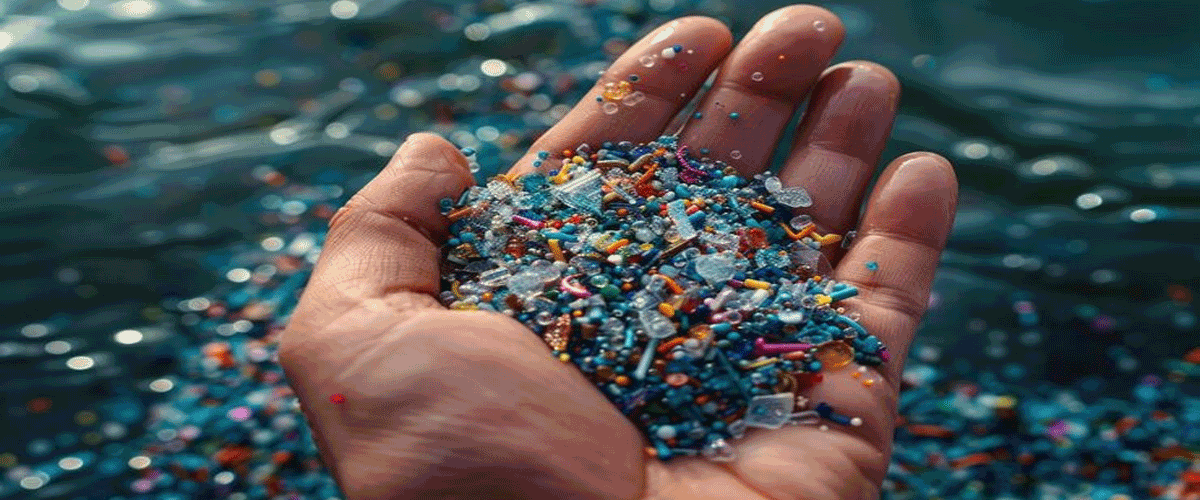
Microplastics in Humans: Challenges and Insights
Microplastics—tiny plastic particles smaller than 5 millimeters, including nanoplastics under 1,000 nanometers—have been found in air, soil, and human tissues. Recent critiques of studies detecting microplastics in organs highlight methodological challenges, such as contamination risks, false positives from fatty tissues, and insufficient validation of analytical techniques. Microplastics in real-world settings carry diverse additives, dyes, metals, and microbes, complicating detection.
Despite these issues, experts emphasize that the presence of microplastics in humans is indisputable. Research is ongoing to develop reliable methods that can identify, quantify, and localize these particles. While the health impacts remain unclear, scientists agree that exposure to plastics is harmful. Early studies have limitations, but they provide critical insight into a new field of environmental and public health research. The focus now is on understanding the extent of microplastic exposure and its potential effects on human health.
26-01-2026
📰 Recent News
- El Niño Forecast to Intensify, Raising the Risk of Extreme Weather Through Early 2027
- Mining and Oil Exploration Put Millions of Hectares of Protected Tropical Ecosystems at Risk
- Delhi Records Lowest September Average AQI in Five Years
- UN Calls for Urgent Action to Restore the World’s Forests
- Arctic Ocean Currents Found to Speed Carbon-Rich Phytoplankton to the Seafloor
- India’s Major Reservoirs Reach a Ten-Year Low as Monsoon Ends
- Indian Ecologists Call for Wider Ecosystem Monitoring Ahead of Expected El Niño
- Seven of Earth’s Nine Planetary Boundaries Now Breached, Scientists Warn
- Climate Change Linked to Glacier Collapse Behind Nepal-Tibet Floods
- Google Backs Large-Scale Carbon Removal Project in Brazil