(An Autonomous Body Recognized by Ministry of Commerce & Industry, Government of India)
Competency based placement focussed Education | Training | Research | Consultancy







Professional Certification in Quality Assurance & Quality Control of Semi-Finished and Finished Cosmetic Products
About the Programme
The cosmetic and personal care industry requires robust quality assurance and quality control systems to ensure the safety, efficacy, stability, consistency and quality of cosmetic products. Quality control of semi-finished and finished cosmetic products plays a critical role in ensuring that products meet established specifications before packaging, release and distribution.
The Professional Certification in Quality Assurance & Quality Control of Semi-Finished and Finished Cosmetic Products is designed to provide comprehensive knowledge of quality control practices applicable to cosmetic manufacturing, including skincare, haircare, personal hygiene, colour cosmetics and other personal care formulations.
The programme focuses on the evaluation of bulk and semi-finished cosmetic products, in-process quality control, finished product testing, analytical techniques, microbiological quality assessment, stability testing, packaging compatibility and quality documentation.
Participants will develop an understanding of the practical implementation of quality assurance systems, laboratory procedures, standard operating procedures, specifications, sampling plans, deviation management, CAPA and batch release requirements in accordance with cosmetic GMP and applicable regulatory guidelines.
The certification adopts an industry-oriented, case study-based approach to help participants understand the application of QA and QC principles in cosmetic manufacturing and quality laboratories.
Programme Objectives
The programme aims to:
- Develop an understanding of quality assurance and quality control systems in the cosmetic industry.
- Explain the quality evaluation of semi-finished and bulk cosmetic products.
- Provide knowledge of finished cosmetic product testing and release specifications.
- Familiarize participants with physicochemical, analytical and microbiological testing methods.
- Develop competency in stability testing and packaging compatibility assessment.
- Explain cosmetic GMP, laboratory documentation and data integrity requirements.
- Strengthen the ability to investigate quality failures, deviations and out-of-specification results.
- Prepare participants for quality-related responsibilities in cosmetic manufacturing and testing laboratories.
Who Should Attend?
This certification is designed for professionals and students interested in developing specialized knowledge in cosmetic product quality assurance and quality control.
It is particularly suitable for:
- QA and QC professionals working in cosmetic and personal care manufacturing units.
- Cosmetic chemists, formulation scientists and product development professionals.
- Quality control analysts and laboratory technicians.
- Production and manufacturing personnel involved in cosmetic processing.
- Microbiologists working in cosmetic testing laboratories.
- Regulatory affairs and cosmetic GMP professionals.
- Graduates in Cosmetic Technology, Pharmacy, Chemistry, Life Sciences and related disciplines.
- Entrepreneurs and start-up founders involved in cosmetic product manufacturing and brand development.
- Academicians and trainers in cosmetic science and technology.
Programme Modules
International Affiliation with
Programme Modules
International Affiliation with
Module 1: Fundamentals of Quality Assurance & Quality Control in Cosmetics
- Introduction to quality assurance and quality control in the cosmetic industry.
- Difference between QA, QC and quality management systems.
- Quality attributes of cosmetic products.
- Quality planning and quality objectives.
- Quality specifications and acceptance criteria.
- Product quality standards and customer requirements.
- Role and responsibilities of QA and QC departments.
- Quality assurance throughout the cosmetic product lifecycle.
- Introduction to risk-based quality management.
- Quality culture and continuous improvement in cosmetic manufacturing.
Module 2: Quality Control of Semi-Finished and Bulk Cosmetic Products
- Definition and classification of semi-finished, bulk and in-process cosmetic products.
- Quality control checkpoints during cosmetic manufacturing.
- Sampling of bulk and semi-finished products.
- Evaluation of creams, lotions, gels, emulsions, shampoos, conditioners, serums and liquid formulations.
- Organoleptic evaluation: colour, odour, appearance and texture.
- Determination of pH and viscosity.
- Measurement of specific gravity and density.
- Bulk product holding time and storage conditions.
- Approval of bulk products before filling and packaging.
Module 3: Quality Control of Finished Cosmetic Products
- Finished product quality specifications and release criteria.
- Quality evaluation of creams, lotions and moisturizers.
- Quality testing of facial cleansers, shampoos and body washes.
- Quality assessment of hair oils, hair serums and conditioners.
- Quality evaluation of facial serums and gel-based products.
- Testing of sunscreens and sun protection formulations.
- Quality control of foundations, compact powders, lipsticks and other colour cosmetics.
- Evaluation of product appearance, colour, odour and consistency.
- pH, viscosity, density and weight variation testing.
- Net content and fill volume verification.
- Dispensing and application characteristics.
- Spreadability and texture evaluation.
- Product uniformity and performance-related quality attributes.
- Finished product sampling and inspection.
- Finished product acceptance and batch release requirements.
Module 4: Analytical Techniques for Cosmetic Quality Control
- Introduction to analytical chemistry in cosmetic testing.
- Selection and qualification of analytical methods.
- Preparation of laboratory reagents and standard solutions.
- Calibration and verification of laboratory equipment.
- Analytical balance, pH meter and viscometer.
- Refractometer and density measurement equipment.
- UV-Visible spectrophotometry in cosmetic analysis.
- Introduction to HPLC and chromatographic techniques.
- FTIR spectroscopy for ingredient identification.
- Interpretation of analytical results and laboratory reports.
Module 5: Microbiological Quality Control of Cosmetics
- Fundamentals of cosmetic microbiology.
- Sources of microbial contamination in cosmetic products.
- Microbial quality requirements for cosmetic products.
- Yeast and mould enumeration.
- Detection of specified microorganisms.
- Microbiological testing of water used in cosmetic manufacturing.
- Microbial limits and product risk classification.
- Preservative efficacy testing and challenge testing.
- Introduction to ISO 11930 and ISO 17516.
Module 6: Stability Testing and Packaging Compatibility
- Fundamentals of cosmetic product stability.
- Physical, chemical and microbiological stability.
- Monitoring of pH, viscosity, colour, odour and appearance.
- Oxidation, rancidity and degradation of cosmetic ingredients.
- Stability of emulsions, gels and surfactant-based formulations.
- Packaging compatibility and interaction studies.
- Evaluation of tubes, bottles, jars, pumps and airless packaging.
- Leakage, deformation and dispensing performance.
- Product-packaging interaction and migration concerns.
- Stability protocols, reports and shelf-life assessment.
Module 7: Cosmetic GMP and Quality Assurance Systems
- Introduction to cosmetic Good Manufacturing Practices.
- ISO 22716: Cosmetic GMP.
- Raw material and packaging material quality control.
- In-process quality assurance.
- Batch manufacturing and packaging records.
- Product identification, traceability and batch numbering.
- Quarantine, approval and rejection systems.
- Finished product release and distribution controls.
- Internal audits and quality system review.
Module 8: Quality Documentation, Data Integrity and Laboratory Practices
- Importance of documentation in cosmetic QA and QC.
- Standard Operating Procedures (SOPs).
- Specifications and test methods.
- Sampling plans and sampling records.
- Laboratory worksheets and analytical reports.
- Batch manufacturing records and batch packaging records.
- Equipment calibration and maintenance records.
- Reagent and reference standard management.
Module 9: Quality Risk Management and Investigation of Quality Failures
- Introduction to quality risk management.
- Identification and assessment of cosmetic product quality risks.
- Risk assessment tools: FMEA, risk ranking and risk matrix.
- Deviation management and investigation.
- Out-of-Specification (OOS) results.
- Out-of-Trend (OOT) results.
- Root cause analysis and investigation techniques.
- Corrective and Preventive Action (CAPA).
Module 10: Cosmetic Regulatory Requirements and Quality Standards
- Overview of cosmetic regulations in India.
- Cosmetics Rules, 2020 and applicable provisions under the Drugs and Cosmetics Act.
- Role of CDSCO and State Licensing Authorities.
- Quality and safety requirements for cosmetic products.
- Cosmetic product specifications and regulatory compliance.
- Labelling and packaging requirements.
- ISO 22716: Cosmetic GMP.
Eligibility
Graduates in any discipline are eligible for our Post Graduate Diploma, Executive Diploma and Professional Certifications Programmes. 10+2 pass-outs are eligible for our Under Graduate Diploma and Diploma holders of two to three years course duration are also eligible for the PG Diploma.
Programme Duration
The minimum duration to complete the Professional Certification programme is 6 months and maximum is 12 months.
Programme Mode
Registration is currently open for Part-time (Online Live Classes) mode.
Programme Deliverables
A comprehensive study material (for 6 months Professional Certification) for all the modules in hard copies ensuring the needs of the audience. The accompanying training material is appropriately aligned with the current Industry’s expectations.
- Assignments for all the programme modules for continuous evaluation and guidance.
- Interactive or online live sessions on all key areas of the programme giving all flexibility to the participants.
- Online Live Classes/Part-time for all the modules will be conducted on the weekends. Moreover, a doubt clearing session will also be scheduled before the examination.
- All the efforts are made by IGMPI faculty members to make the entire programme modules easily understandable.
- Assessment and evaluation for all the programme modules in order to enhance the levels of competencies and skills of the participants leading towards the objective of application in the job.
- At the end of each programme modules, the trainers shall obtain feedback from the participants using specially designed questionnaires.
- All learning and training delivery initiatives shall be conducted in English.
Assessment & Certification
All the participants are expected to appear for online assessment. After successful completion the participants will be awarded Professional Certification in Quality Assurance & Quality Control of Semi-Finished and Finished Cosmetic Products
About the Programme for Cosmetics by IGMPI. For all the above-mentioned elaborate study resources, Assessment test papers and case studies would be provided by the Institute from time to time. Details get updated on the webpage as well. The certification will be awarded after the required levels of knowledge, skills, professionalism and attitude are assessed through the IGMPI assessment process.
Discipline in Classes and Examination
Every student is required to observe a disciplined behaviour during her/his classes, assessments & examinations and to follow instructions from the Professors. Any act of indiscipline may result into discredit & it will be mentioned in her/his academic report.
Placement Assistance & Corporate Relations
For the Post Graduate Diploma, Undergraduate Diploma, Executive Diploma and Professional Certification Programmes, we will provide placement assistance after the completion of the programme. The Institute has partnered with many organizations for providing placement assistance to its students. The robust placement cell comprises senior level Human Resources professionals and Talent Acquisition experts which maintains close links with business and industry. The efforts of our placement cell also include helping with professional resume writing, interview skills & conducting mock interviews etc.
In recent months the Institute has witnessed more and more participation from professionals working with global pharmaceutical, healthcare like The Himalaya Drug Company, Mama earth, Innovist,The Derma Co. Sun Pharmaceuticals Ltd., Hindustan Unilever (Lakmé, Pond's), Godrej Consumer Products, Dabur India, and Nykaa (FSN E-Commerce), alongside modern D2C brands like Plum, SUGAR Cosmetics, and Kay Beauty. The IGMPI’s Corporate Resource Division actively recommends our students and training participants for various job requirements and specialized roles to Human Resource, Talent Acquisition as well as the heads of various departments in Pharmaceutical, Healthcare industries on regular basis.
Future career prospects
There is a wide scope in the profession of cosmetology in India or in other countries. Cosmetology is the promising career because of advancement in the lifestyle of individuals. The personal care industry makes up vast of India's market for consumer package goods and experts agree that India is full of opportunities and is a potential gold mine for many companies which offer opportunities as a Scientist, Formulator, Manufacturing Chemist, Research Chemist, Quality Manager, Quality Scientist, Talent Strategist, and Technical Support etc.
Programme Fee Details
Programme fee details will appear here.
Last date for submitting completed Application Form: 30th Nov 2026.
For further enquiries, call or write to us on:
Phone:
+919217847402
(Toll Free -9:00 am to 5:30 pm IST-except on Central Government holidays)/
info@igmpi.ac.in
GLOBALG.M.P.™ NEWSLETTER
- Marksans Pharma Receives Six USFDA Observations Following GMP Inspection at Goa Facility
- FDA Flags GMP and Quality Oversight Failures at Three Chinese API Manufacturers
- US FDA Revises Drug Facility Inspection Framework to Strengthen Regulatory Oversight
- India Moves to Tighten Microbial Contamination Standards in Sterile Drug Manufacturing
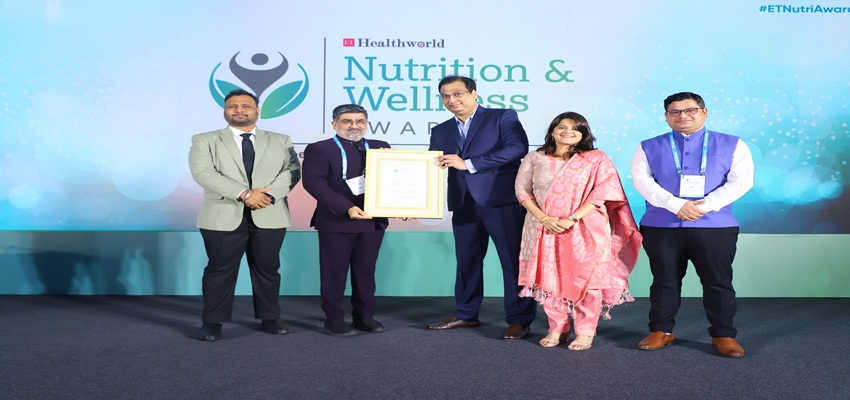
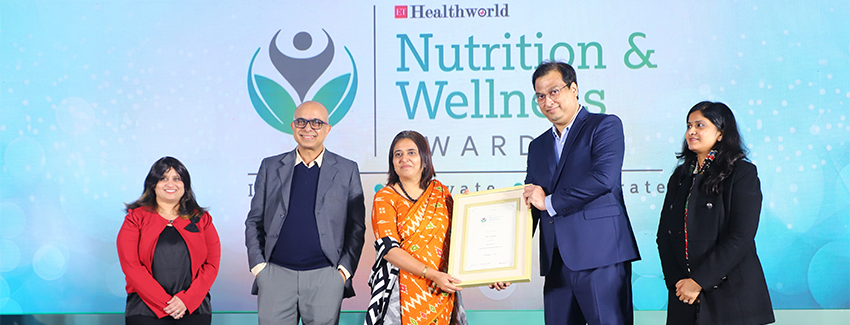
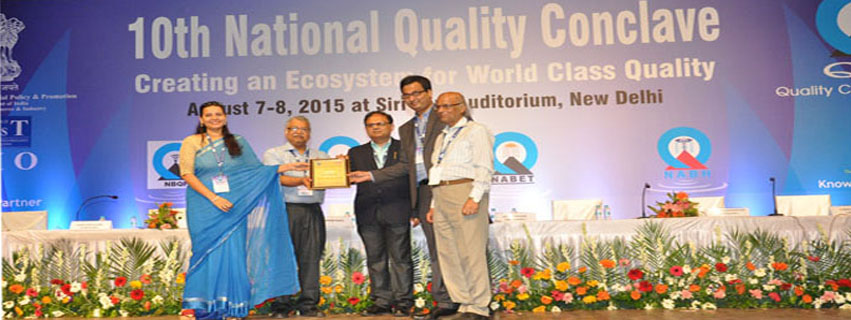
Institute of Good Manufacturing Practices India a part of the Grand Jury for the prestigious Nutriwell Conclave and Healthcare Awards, 2025: Our Director presenting the awards
The Mentorship Exchange: What FR&D leaders must learn & unlearn
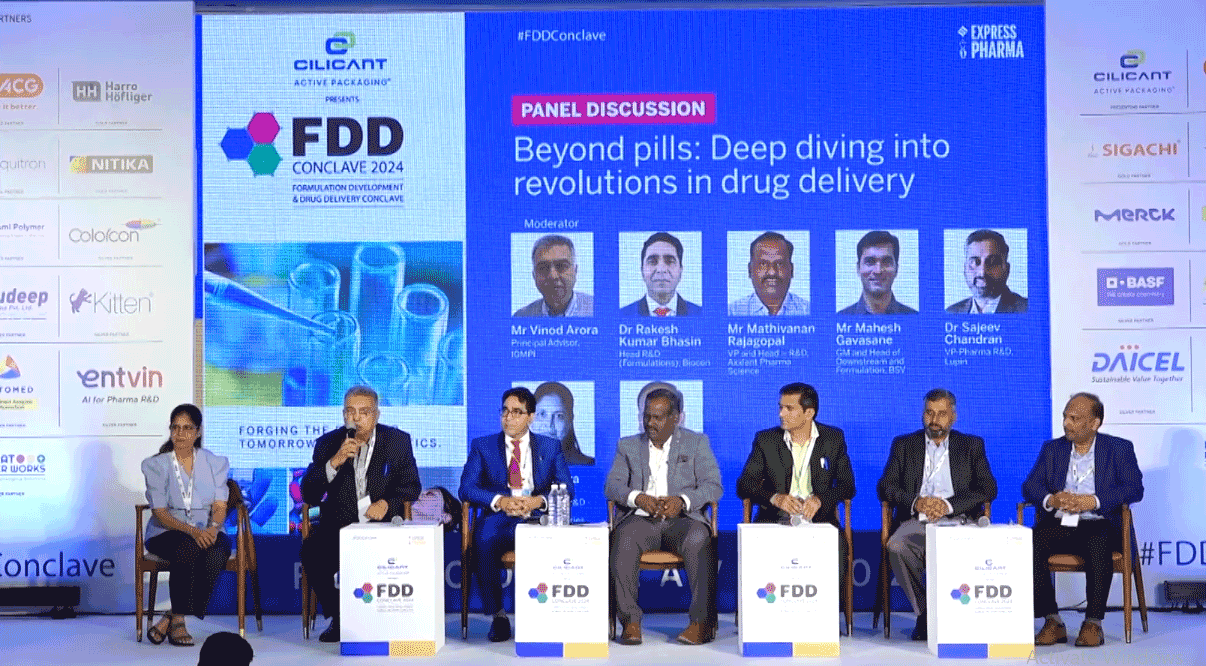
Beyond pills: Deep diving into revolutions in drug delivery
Moderated by IGMPI
Moderated by IGMPI (Building FR&D Talent in India)
Moderated by IGMPI
Moderated by IGMPI