
(An Autonomous Body Recognized by Ministry of Commerce & Industry, Government of India)
Competency based placement focussed Education | Training | Research | Consultancy



C-6, Qutab Institutional Area, Near Old JNU Campus, New Delhi-110016
Regular | Part-time (Online Live Classes) Modes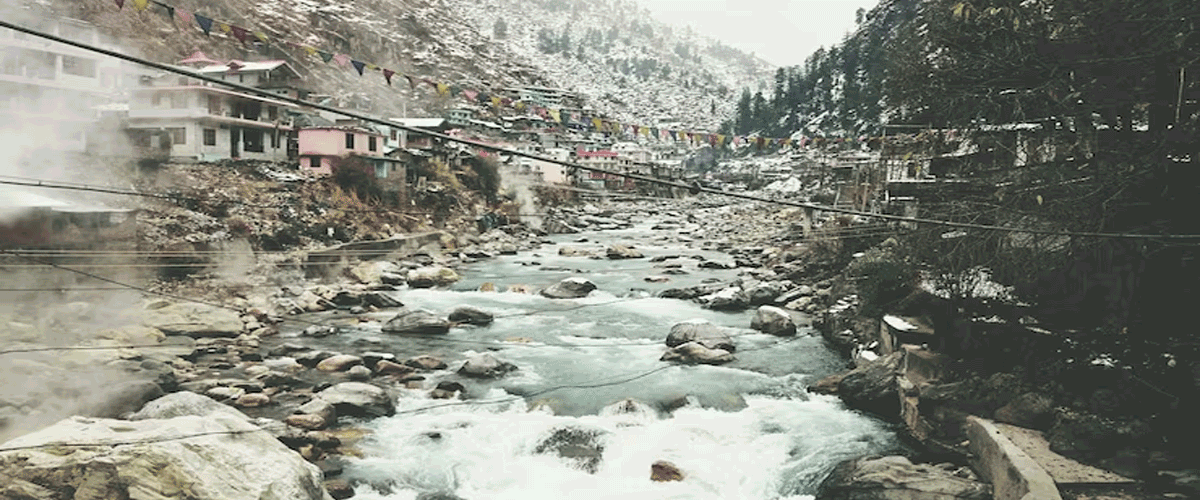
Climate Change Linked to Glacier Collapse Behind Nepal-Tibet Floods
A scientific assessment has found that rising global temperatures likely played a significant role in the glacier collapse that triggered devastating floods across parts of Nepal and Tibet in August. The disaster killed more than 1,300 people and left thousands missing, according to reports surrounding the event.
Researchers found that unusually high temperatures had affected the region before the collapse of the Langtang Lirung glacier. July and August 2026 were reportedly the warmest months recorded locally, with temperatures reaching around 5°C above the long-term average during the days leading up to the disaster.
The collapse released an estimated 110 million cubic metres of snow and ice into the valley below. The resulting surge produced powerful flash floods that swept through downstream communities with little warning and caused extensive destruction.
The study found that temperatures in the wider region have risen by approximately 2°C compared with pre-industrial levels. Researchers also observed that the elevation at which water remains frozen in the Himalayas has been moving upward over recent decades. Longer periods of thawing can weaken mountain slopes, permafrost and glacial structures.
Scientists stressed that climate change was not identified as the sole cause of the disaster. Instead, warming conditions were found to have contributed to several factors that increased the glacier's vulnerability before its collapse.
The findings add to concerns about the growing risks faced by Himalayan communities as temperatures rise. Researchers said reducing greenhouse gas emissions remains central to limiting the conditions that can contribute to similar climate-related hazards in the future.
17-09-2026
📰 Recent News
- Delhi Records Lowest September Average AQI in Five Years
- UN Calls for Urgent Action to Restore the World’s Forests
- Arctic Ocean Currents Found to Speed Carbon-Rich Phytoplankton to the Seafloor
- India’s Major Reservoirs Reach a Ten-Year Low as Monsoon Ends
- Indian Ecologists Call for Wider Ecosystem Monitoring Ahead of Expected El Niño
- Seven of Earth’s Nine Planetary Boundaries Now Breached, Scientists Warn
- Climate Change Linked to Glacier Collapse Behind Nepal-Tibet Floods
- Google Backs Large-Scale Carbon Removal Project in Brazil
- Global Assessment Finds One in Nine Migratory Bird Species at Risk of Extinction
- Natural Climate Feedbacks Could Intensify Global Warming by Up to 30%