
(An Autonomous Body Recognized by Ministry of Commerce & Industry, Government of India)
Competency based placement focussed Education | Training | Research | Consultancy


C-6, Qutab Institutional Area, Near Old JNU Campus, New Delhi-110016
Regular | Part-time (Online Live Classes) Modes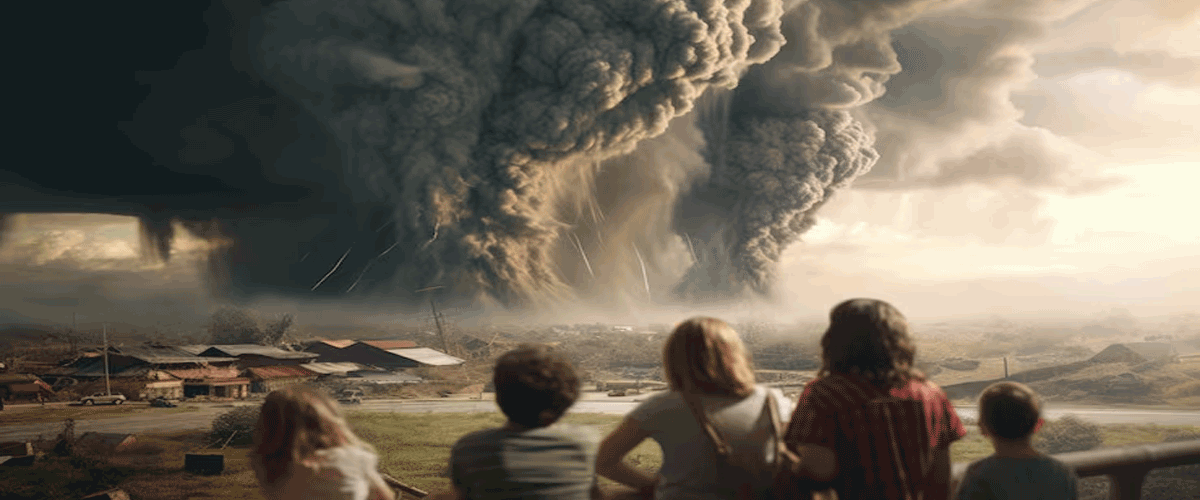
El Niño Forecast to Intensify, Raising the Risk of Extreme Weather Through Early 2027
The World Meteorological Organization (WMO) has warned that the current El Niño event is expected to strengthen before reaching its peak in December 2026 and is likely to continue until February 2027. The agency's latest climate bulletin indicates that the event could become one of the strongest recorded since 1950.
El Niño is a naturally occurring climate phenomenon involving warmer-than-average sea-surface temperatures across the central and eastern tropical Pacific Ocean. These changes influence atmospheric circulation and can alter weather patterns across large parts of the world, affecting rainfall, temperatures and seasonal conditions.
According to the WMO, sea-surface temperatures in the central and eastern tropical Pacific could rise to approximately 3.7°C above normal during October–December 2026. If realised, this would exceed the previous peak anomaly of 2.6°C recorded during the 2015–16 El Niño event. The agency attributed the forecast to exceptionally warm ocean conditions, which provide additional heat and energy to the climate system.
El Niño can produce contrasting effects in different regions. Some areas may experience prolonged dry conditions and increased drought risk, while others could face heavier rainfall and flooding. The phenomenon is also associated with higher global temperatures, potentially adding to the effects of long-term human-driven climate change.
These changes can disrupt agriculture, reduce water availability, affect natural ecosystems and damage infrastructure. Their severity depends on regional climate conditions and other atmospheric influences, meaning that the same El Niño event will not affect every country in the same way.
The WMO's seasonal forecasts provide information to help governments and communities prepare for potential disruptions. The agency encourages decision-makers to use regional climate outlooks when planning for water management, agricultural production, public safety and disaster preparedness as the event develops.
08-10-2026
📰 Recent News
- El Niño Forecast to Intensify, Raising the Risk of Extreme Weather Through Early 2027
- Mining and Oil Exploration Put Millions of Hectares of Protected Tropical Ecosystems at Risk
- Delhi Records Lowest September Average AQI in Five Years
- UN Calls for Urgent Action to Restore the World’s Forests
- Arctic Ocean Currents Found to Speed Carbon-Rich Phytoplankton to the Seafloor
- India’s Major Reservoirs Reach a Ten-Year Low as Monsoon Ends
- Indian Ecologists Call for Wider Ecosystem Monitoring Ahead of Expected El Niño
- Seven of Earth’s Nine Planetary Boundaries Now Breached, Scientists Warn
- Climate Change Linked to Glacier Collapse Behind Nepal-Tibet Floods
- Google Backs Large-Scale Carbon Removal Project in Brazil