
(An Autonomous Body Recognized by Ministry of Commerce & Industry, Government of India)
Competency based placement focussed Education | Training | Research | Consultancy


C-6, Qutab Institutional Area, Near Old JNU Campus, New Delhi-110016
Regular | Part-time (Online Live Classes) Modes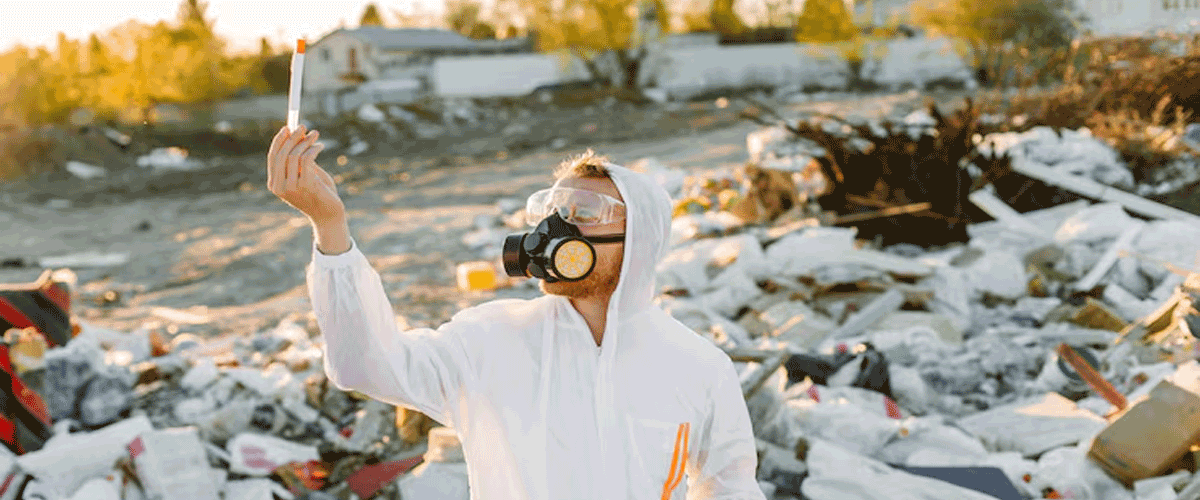
Imported Plastic Waste Fuels Pollution Crisis in Southern Türkiye
Türkiye has emerged as a major hub for plastic waste recycling, particularly imports from Europe and the U.K. Much of this waste is processed in facilities across Adana province, yet significant volumes escape into the environment. Along the Seyhan River, plastic debris accumulates in water and sediment before flowing into the Mediterranean Sea, harming ecosystems and critical sea turtle nesting areas.
While recyclable materials are recovered, large portions—often mixed or low-quality plastics—are discarded, burned, or leaked through untreated wastewater. Researchers and local residents report increasing contamination, with microplastics forming dense clusters and polluting riverbeds and wetlands.
Despite government oversight and economic benefits tied to the recycling sector, environmental concerns are mounting. Experts highlight regulatory gaps and warn that rising imports could worsen pollution. Many advocate reducing plastic production and halting imports to protect biodiversity, waterways, and coastal habitats from long-term damage.
15-03-2026
📰 Recent News
- El Niño Forecast to Intensify, Raising the Risk of Extreme Weather Through Early 2027
- Mining and Oil Exploration Put Millions of Hectares of Protected Tropical Ecosystems at Risk
- Delhi Records Lowest September Average AQI in Five Years
- UN Calls for Urgent Action to Restore the World’s Forests
- Arctic Ocean Currents Found to Speed Carbon-Rich Phytoplankton to the Seafloor
- India’s Major Reservoirs Reach a Ten-Year Low as Monsoon Ends
- Indian Ecologists Call for Wider Ecosystem Monitoring Ahead of Expected El Niño
- Seven of Earth’s Nine Planetary Boundaries Now Breached, Scientists Warn
- Climate Change Linked to Glacier Collapse Behind Nepal-Tibet Floods
- Google Backs Large-Scale Carbon Removal Project in Brazil