
(An Autonomous Body Recognized by Ministry of Commerce & Industry, Government of India)
Competency based placement focussed Education | Training | Research | Consultancy



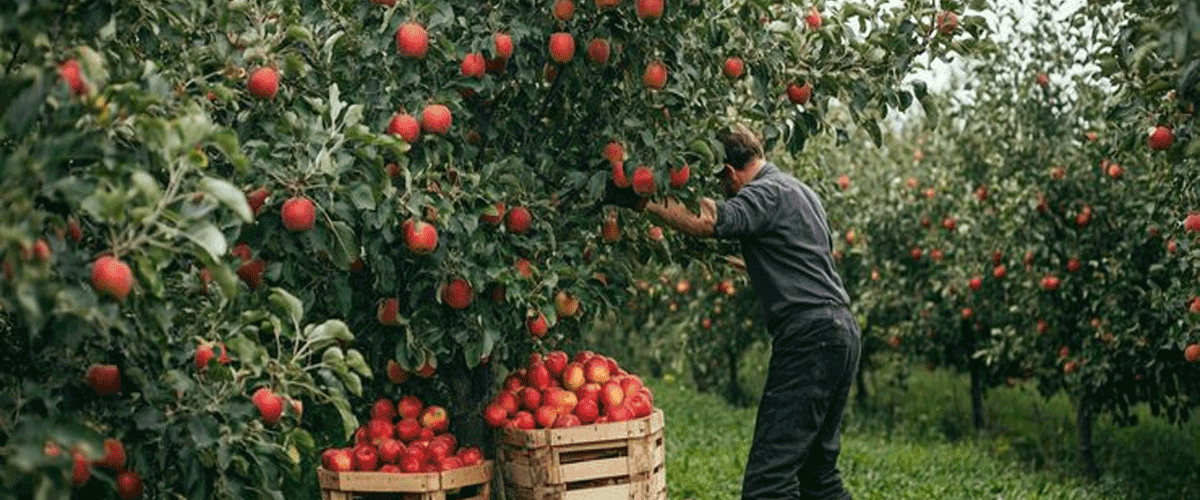
Kashmir Moves Towards Pesticide-Free Apple Farming as Agricultural Trials Show Promising Results
Kashmir is taking significant steps towards sustainable apple cultivation following encouraging results from pesticide-free farming trials conducted by Sher-e-Kashmir University of Agricultural Sciences and Technology of Kashmir (SKUAST-K). The initiative aims to reduce dependence on chemical pesticides while promoting environmentally responsible horticultural practices.
The university conducted experimental trials at two locations in Kashmir, successfully cultivating the Gala apple variety without using chemical pesticides. According to Vice-Chancellor Professor Nazir Ahmad Ganai, the initial findings demonstrate the potential for adopting alternative crop protection methods in the region's economically important apple industry.
Encouraged by these results, SKUAST-K plans to expand the programme in 2027, allowing researchers to assess its effectiveness across a wider range of orchards and growing conditions.
Alongside promoting pesticide-free cultivation, the university is strengthening its efforts to monitor chemical residues in agricultural produce. Its laboratory currently has the capacity to detect residues of 55 different pesticides, supporting improved food safety surveillance and quality assessment.
The institution has also recommended introducing pesticide-residue testing for fruits and vegetables transported into Kashmir from other regions.
The initiative comes amid growing concerns about the possible health implications of prolonged pesticide exposure, particularly among agricultural workers involved in orchard management. Although concerns have been raised regarding potential links with serious illnesses, further scientific investigation is necessary to establish specific health risks.
By combining pesticide-free cultivation trials with improved residue monitoring, SKUAST-K aims to support safer agricultural practices and reduce the environmental impact of conventional horticulture.
The programme could contribute to the gradual development of more sustainable apple production systems in Kashmir while maintaining agricultural productivity and crop quality.
12-11-2026
📰 Recent News
- Kashmir Moves Towards Pesticide-Free Apple Farming as Agricultural Trials Show Promising Results
- Centre Launches Nationwide Campaign to Improve Soil Health and Promote Sustainable Farming
- New Farm Machinery Offers Thai Rice Farmers an Alternative to Stubble Burning
- Long-Term Use of Farmyard Manure Improves Soil Health and Sustains Crop Yields
- Punjab Stakeholders Develop Coordinated Strategy for Sustainable Crop-Residue Management
- Soil Microbes and Genomic Research Could Strengthen Carbon Storage in Agriculture
- Kansas Farmers Receive Grants to Test Sustainable Farming Practices
- Brazil Turns to Cocoa Agroforestry as Part of Amazon Restoration Efforts
- New Analytical Approach Maps Crop–Environment Relationships in Arid Agriculture
- Agriculture Minister Calls for Agroecology and Crop Diversification to Promote Sustainable Farming