
(An Autonomous Body Recognized by Ministry of Commerce & Industry, Government of India)
Competency based placement focussed Education | Training | Research | Consultancy


C-6, Qutab Institutional Area, Near Old JNU Campus, New Delhi-110016
Regular | Part-time (Online Live Classes) Modes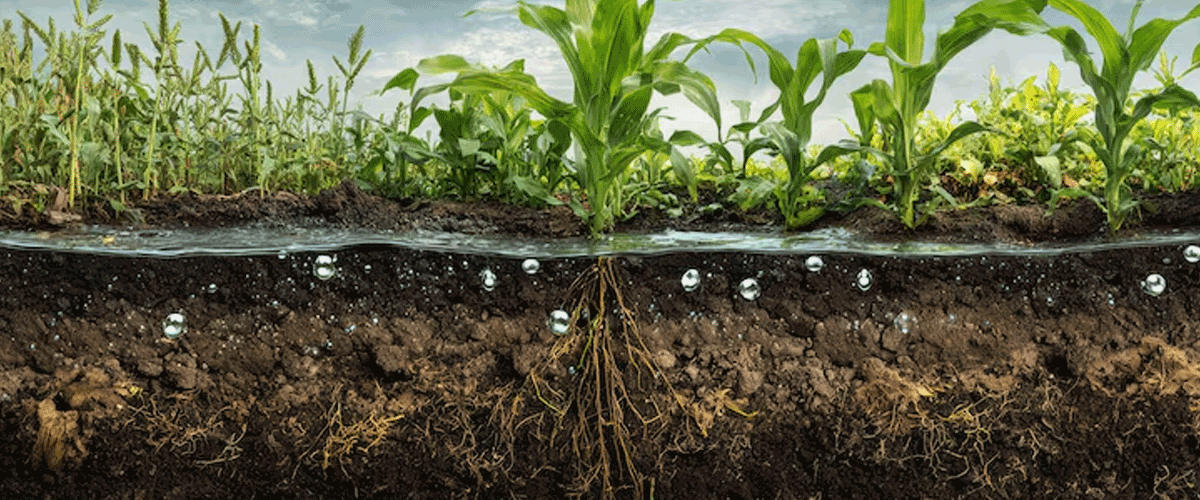
Soil Microbes and Genomic Research Could Strengthen Carbon Storage in Agriculture
The role of soil microorganisms in carbon storage and sustainable farming came under discussion at a recent webinar organised by The Energy and Resources Institute (TERI). The session, titled Understanding Underground Genomes that Influence Carbon Sequestration in Agriculture, brought together researchers to examine how biological processes beneath agricultural fields could contribute to healthier soils and more climate-resilient farming systems.
The webinar was organised by TERI’s Sustainable Agriculture Programme and its Centre for Nanotechnology Research and Agricultural Biotechnology as part of the 2026–27 TERI Research Frontiers series. Discussions focused on soil microbiomes, plant–microbe relationships and the use of genomic information to better understand carbon movement and storage in agricultural soils.
Dr Arjun Singh, Scientist (SS) in Agricultural Microbiology at ICAR–Central Institute for Subtropical Horticulture, spoke about the soil microbiome, microbial groups and their influence on carbon sequestration. He explained that genomic tools can help researchers identify microbial groups involved in carbon transformation and understand their functions within soil ecosystems.
Another presentation was delivered by Dr Sudeshna Bhattacharyya, Senior Scientist at ICAR–Indian Institute of Soil Science. Her presentation examined how soil microbial communities influence carbon storage. The discussion highlighted that microorganisms can affect whether carbon derived from plants remains in the soil or returns to the atmosphere.
Researchers also emphasised the importance of examining biological indicators alongside conventional measurements of soil carbon. Microbial growth, organic residues and interactions between microorganisms, minerals and soil aggregates were identified as factors that can influence carbon retention.
The webinar concluded with an interactive discussion on translating scientific findings into practical approaches for sustainable agriculture. The organisers stressed the need for continued research into below-ground biological systems to support soil health, carbon sequestration and resilient food production.
01-10-2026
📰 Recent News
- Punjab Stakeholders Develop Coordinated Strategy for Sustainable Crop-Residue Management
- Soil Microbes and Genomic Research Could Strengthen Carbon Storage in Agriculture
- Kansas Farmers Receive Grants to Test Sustainable Farming Practices
- Brazil Turns to Cocoa Agroforestry as Part of Amazon Restoration Efforts
- New Analytical Approach Maps Crop–Environment Relationships in Arid Agriculture
- Agriculture Minister Calls for Agroecology and Crop Diversification to Promote Sustainable Farming
- Dryland Congress Calls for Wider Adoption of Climate-Resilient Farming Solutions
- Soil-Carbon Payments Reach More Than 2,500 Farmers in Punjab and Haryana
- Nestlé Expands Brazilian Cocoa Sourcing With Focus on Regenerative Farming
- Soil Microbes Could Provide Early Warning of Changes in Regenerative Farm Health