
(An Autonomous Body Recognized by Ministry of Commerce & Industry, Government of India)
Competency based placement focussed Education | Training | Research | Consultancy


C-6, Qutab Institutional Area, Near Old JNU Campus, New Delhi-110016
Regular | Part-time (Online Live Classes) Modes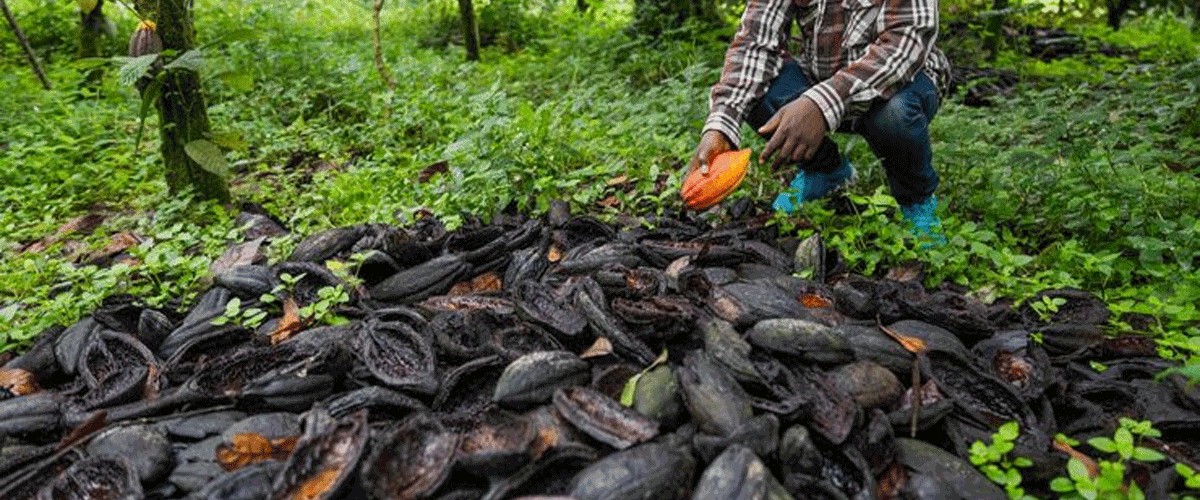
Brazil Turns to Cocoa Agroforestry as Part of Amazon Restoration Efforts
Brazil is promoting cocoa cultivation through agroforestry systems as part of efforts to restore degraded agricultural land in the Amazon while providing farmers with an alternative source of income. The initiative is particularly focused on areas where cattle ranching has contributed to the loss of forest cover.
In the municipality of Medicilândia in Pará state, cocoa has become an important agricultural crop. Farmers are being encouraged to grow cocoa alongside native and other useful trees instead of clearing land for conventional single-crop production. This approach allows agricultural production to take place while maintaining elements of the original forest environment.
Support for the transition is coming from government programmes, environmental organisations and private-sector groups. Assistance includes seedlings, technical guidance, access to finance and help connecting farmers with markets. One programme has already helped hundreds of farmers convert thousands of hectares of land to cocoa-based agroforestry.
According to estimates cited in the report, cocoa agroforestry can increase farm productivity by around 30% and household income by about 60% over a three-year period under suitable conditions. The combination of agricultural production and tree cover can also contribute to soil protection, biodiversity conservation and carbon storage.
Brazil is seeking to strengthen its position as a producer of sustainably grown cocoa, while making better use of land that has already been cleared. The strategy is based on increasing production without creating additional pressure to remove native vegetation.
However, environmental groups and other observers have raised concerns about the possibility of large-scale cocoa expansion becoming another source of forest loss. They have stressed the need for effective monitoring and compliance with Brazil's Forest Code.
The initiative therefore combines agricultural development with forest restoration objectives, but its environmental results will depend on how cocoa cultivation expands and how effectively existing forest-protection rules are maintained.
28-09-2026
📰 Recent News
- New Farm Machinery Offers Thai Rice Farmers an Alternative to Stubble Burning
- Long-Term Use of Farmyard Manure Improves Soil Health and Sustains Crop Yields
- Punjab Stakeholders Develop Coordinated Strategy for Sustainable Crop-Residue Management
- Soil Microbes and Genomic Research Could Strengthen Carbon Storage in Agriculture
- Kansas Farmers Receive Grants to Test Sustainable Farming Practices
- Brazil Turns to Cocoa Agroforestry as Part of Amazon Restoration Efforts
- New Analytical Approach Maps Crop–Environment Relationships in Arid Agriculture
- Agriculture Minister Calls for Agroecology and Crop Diversification to Promote Sustainable Farming
- Dryland Congress Calls for Wider Adoption of Climate-Resilient Farming Solutions
- Soil-Carbon Payments Reach More Than 2,500 Farmers in Punjab and Haryana