
(An Autonomous Body Recognized by Ministry of Commerce & Industry, Government of India)
Competency based placement focussed Education | Training | Research | Consultancy


C-6, Qutab Institutional Area, Near Old JNU Campus, New Delhi-110016
Regular | Part-time (Online Live Classes) Modes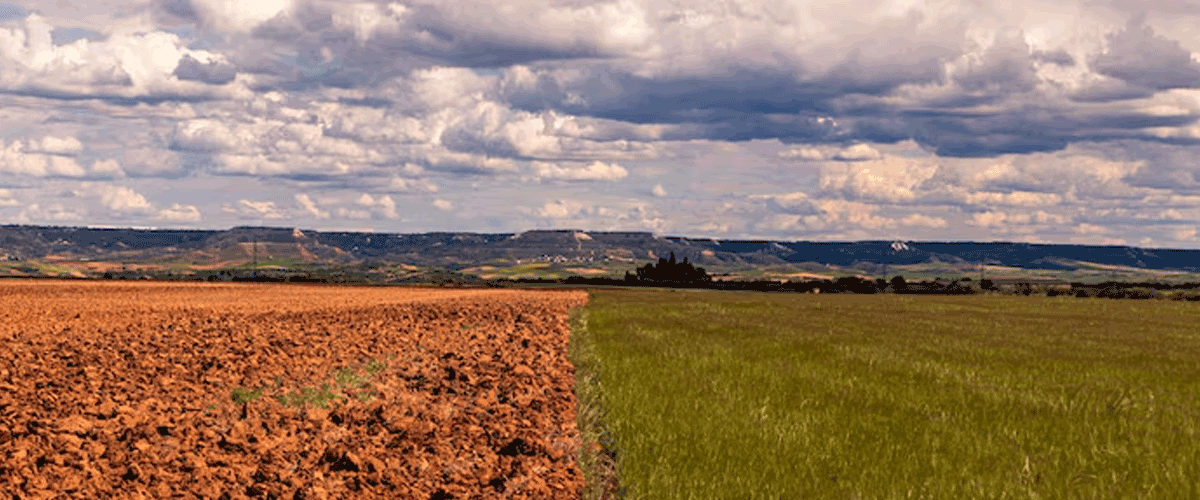
Dryland Congress Calls for Wider Adoption of Climate-Resilient Farming Solutions
The Dryland Congress 2026 in New Delhi concluded with a renewed focus on taking sustainable farming solutions from research institutions into agricultural communities. The gathering brought attention to the need for practical and scalable approaches to farming in regions facing water shortages, climate pressures and other environmental challenges.
The congress placed South–South and triangular cooperation at the centre of discussions, encouraging countries in the Global South to exchange knowledge, technologies and experiences related to dryland agriculture.
Dryland farming supports millions of people in areas where rainfall is limited or unreliable. Farmers in these regions often face difficult conditions, including declining water availability, soil degradation and increasing weather variability. Developing agricultural systems that can withstand such pressures is therefore becoming an important area of research and policy discussion.
Participants at the New Delhi meeting called for greater collaboration between researchers, governments, development organisations and farming communities. The emphasis was not only on generating new ideas but also on finding ways to move tested approaches into wider agricultural use.
The congress also highlighted the value of locally appropriate solutions. Farming practices and technologies need to reflect the conditions of individual regions, including their climate, available resources and farming systems. Sharing successful experiences between countries can help accelerate this process.
The event's discussions reflected a broader effort to strengthen agricultural resilience while supporting food production in vulnerable dryland regions. Moving from research to implementation will require investment, stronger partnerships and greater access to suitable technologies and knowledge.
With climate pressures continuing to affect agricultural systems, the focus on scaling practical dryland solutions signals an increasing effort to connect scientific research with the needs of farmers on the ground.
14-09-2026
📰 Recent News
- Punjab Stakeholders Develop Coordinated Strategy for Sustainable Crop-Residue Management
- Soil Microbes and Genomic Research Could Strengthen Carbon Storage in Agriculture
- Kansas Farmers Receive Grants to Test Sustainable Farming Practices
- Brazil Turns to Cocoa Agroforestry as Part of Amazon Restoration Efforts
- New Analytical Approach Maps Crop–Environment Relationships in Arid Agriculture
- Agriculture Minister Calls for Agroecology and Crop Diversification to Promote Sustainable Farming
- Dryland Congress Calls for Wider Adoption of Climate-Resilient Farming Solutions
- Soil-Carbon Payments Reach More Than 2,500 Farmers in Punjab and Haryana
- Nestlé Expands Brazilian Cocoa Sourcing With Focus on Regenerative Farming
- Soil Microbes Could Provide Early Warning of Changes in Regenerative Farm Health