
(An Autonomous Body Recognized by Ministry of Commerce & Industry, Government of India)
Competency based placement focussed Education | Training | Research | Consultancy


C-6, Qutab Institutional Area, Near Old JNU Campus, New Delhi-110016
Regular | Part-time (Online Live Classes) Modes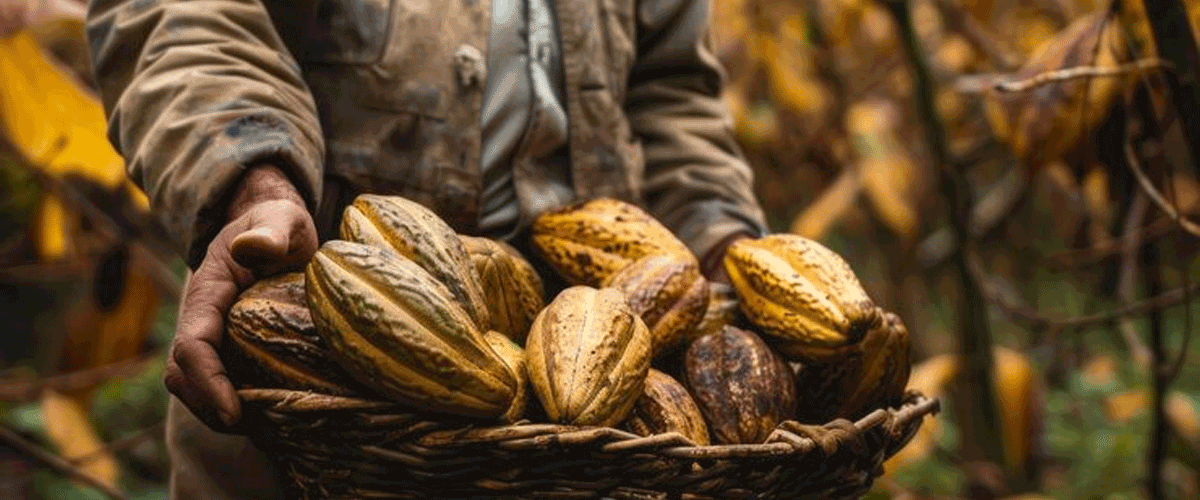
Nestlé Expands Brazilian Cocoa Sourcing With Focus on Regenerative Farming
Nestlé is increasing its cocoa sourcing from Brazil while working with farmers to adopt regenerative agricultural practices aimed at improving crop quality, raising yields and reducing dependence on conventional fertilisers.
The move forms part of the food company's effort to build a more resilient cocoa supply chain following recent global shortages that pushed cocoa prices to record levels. West Africa has traditionally been Nestlé's primary source of cocoa, but the company is now looking to diversify its supplies.
Brazil is emerging as an important part of that strategy. The country was a significant global cocoa producer during the 1970s before plantations were severely affected by witches' broom disease. In recent years, larger farms have restarted production using more resilient cocoa trees, creating expectations of renewed growth.
Nestlé has established relationships with hundreds of Brazilian cocoa farms, where technical knowledge on regenerative agriculture is being shared. The practices are intended to improve productivity and bean quality while lowering the use of conventional fertilisers. Reducing fertiliser requirements could also help farmers manage rising agricultural input costs.
Brazil currently produces roughly enough cocoa to meet its domestic requirements. However, the government expects national production to double within five years to around 400,000 tonnes.
Any major change in global supply will take time, as cocoa trees can require up to five years to reach full production.
The initiative comes as chocolate manufacturers reconsider sourcing strategies after repeated supply disruptions. For Nestlé, greater Brazilian production combined with regenerative farming methods offers an opportunity to diversify cocoa supplies while pursuing more resource-efficient agricultural practices.
10-09-2026
📰 Recent News
- New Farm Machinery Offers Thai Rice Farmers an Alternative to Stubble Burning
- Long-Term Use of Farmyard Manure Improves Soil Health and Sustains Crop Yields
- Punjab Stakeholders Develop Coordinated Strategy for Sustainable Crop-Residue Management
- Soil Microbes and Genomic Research Could Strengthen Carbon Storage in Agriculture
- Kansas Farmers Receive Grants to Test Sustainable Farming Practices
- Brazil Turns to Cocoa Agroforestry as Part of Amazon Restoration Efforts
- New Analytical Approach Maps Crop–Environment Relationships in Arid Agriculture
- Agriculture Minister Calls for Agroecology and Crop Diversification to Promote Sustainable Farming
- Dryland Congress Calls for Wider Adoption of Climate-Resilient Farming Solutions
- Soil-Carbon Payments Reach More Than 2,500 Farmers in Punjab and Haryana