
(An Autonomous Body Recognized by Ministry of Commerce & Industry, Government of India)
Competency based placement focussed Education | Training | Research | Consultancy


C-6, Qutab Institutional Area, Near Old JNU Campus, New Delhi-110016
Regular | Part-time (Online Live Classes) Modes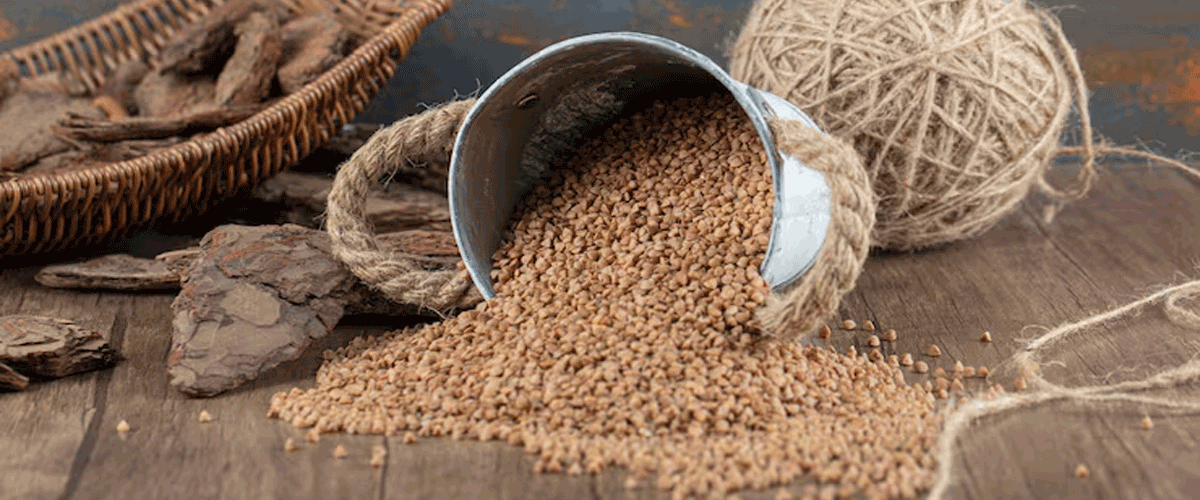
Are Ancient Grains Really Healthier Than Modern Grains?
Ancient grains—varieties largely unchanged over centuries—are gaining popularity for their perceived health benefits. Unlike modern grains such as wheat, rice, and corn, which have been selectively bred for yield and taste, ancient grains like spelt, quinoa, and barley retain traits closer to their wild ancestors.
While grains are a key source of fibre, carbohydrates, and nutrients, experts emphasise that how they are processed matters more than whether they are “ancient” or modern. Wholegrains, which include the bran, germ, and endosperm, offer more fibre, vitamins, and antioxidants than refined grains, which lose nutrients during processing.
Some ancient grains are naturally gluten-free, making them suitable for people with intolerance. However, research shows limited evidence that they are significantly more nutritious than modern grains. Their benefits often stem from being consumed in whole form.
Experts suggest that instead of focusing solely on ancient grains, a varied diet rich in wholegrains—both ancient and modern—is the best approach to overall health.
13-04-2026
📰 Recent News
- MDNIY Announces Continuing Medical Education Programme for Yoga Professionals
- Heartfulness Educational Trust and MDNIY Join Hands to Expand Yoga Programmes Globally
- Study Finds Low Medication Adherence Among Young People After First Psychotic Episode
- Better Mental-Health Care for Deaf and Hard-of-Hearing Patients Requires Greater Clinical Competence
- Rising Interest in AYUSH Postgraduate Courses Drives Surge in AIAPGET Participation
- AYUSH Services Economy Reaches $36.92 Billion as Sector Expands Rapidly
- WHO Issues New Guidance to Protect People from Heat-Related Illness at Mass Gatherings
- Goa Introduces Indias First Dedicated Life-Course Immunization Policy
- Research Highlights Role of Gentle Exercise in Managing Chronic Pain
- Study Explores How Yoga Practice May Influence Personal and Psychological Well-Being