(An Autonomous Body Recognized by Ministry of Commerce & Industry, Government of India)
Competency based placement focussed Education | Training | Research | Consultancy

C-6, Qutab Institutional Area, Near Old JNU Campus, New Delhi-110016
Regular | Part-time (Online Live Classes) Modes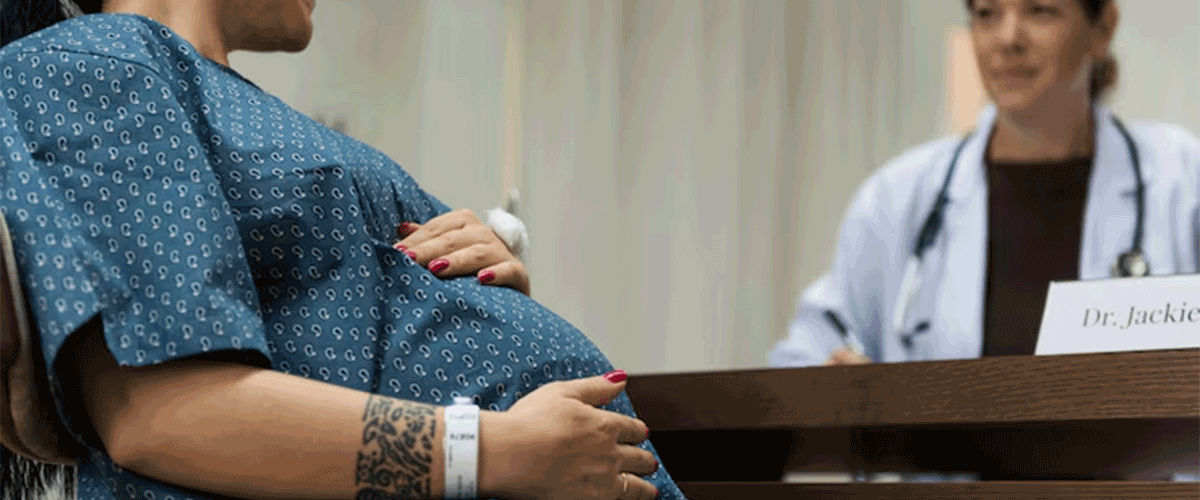
WHO Introduces Global Roadmap to Prevent Hypertension-Related Complications During Pregnancy
The World Health Organization (WHO), in collaboration with international partners, has launched a global roadmap aimed at reducing complications and deaths associated with high blood pressure during pregnancy. The initiative focuses on hypertensive disorders, including pre-eclampsia and eclampsia, which continue to pose serious risks to pregnant women and their babies.
According to WHO estimates, these conditions complicate approximately 10–15% of pregnancies worldwide and account for around 16% of maternal deaths. They are also associated with more than 500,000 stillbirths and newborn deaths each year, highlighting the need for timely diagnosis and effective treatment.
The roadmap, covering the period from 2026 to 2035 and beyond, sets out coordinated measures involving research, clinical guidance, access to essential medicines, diagnostic services and improvements in healthcare delivery. It also calls for stronger accountability among governments, healthcare providers, researchers and funding organisations.
In many countries, women still face difficulties accessing routine blood-pressure checks, urine-protein testing and medicines needed to manage pregnancy-related hypertension. Shortages of trained health workers, weak referral systems and limited emergency obstetric services can delay treatment when complications develop.
WHO has also highlighted the limited availability of medicines specifically developed and approved to prevent or treat pre-eclampsia and eclampsia. While research has advanced in diagnostic methods, investment in new preventive and therapeutic options remains insufficient.
To address these gaps, WHO brought together more than 140 partners at a global summit in May 2026 to identify priority research questions and guide future investment. The resulting roadmap calls for improved prediction, earlier detection and more effective management of hypertensive disorders.
The initiative also recognises that the consequences may continue after childbirth, as affected women face higher risks of cardiovascular and kidney diseases later in life. WHO is urging countries to expand access to proven interventions and ensure that advances in maternal healthcare reach women regardless of where they live.
08-10-2026
📰 Recent News
- WHO Calls for Community-Based Mental Healthcare to Replace Prolonged Psychiatric Hospitalisation
- WHO Introduces Global Roadmap to Prevent Hypertension-Related Complications During Pregnancy
- MDNIY Announces Continuing Medical Education Programme for Yoga Professionals
- Heartfulness Educational Trust and MDNIY Join Hands to Expand Yoga Programmes Globally
- Study Finds Low Medication Adherence Among Young People After First Psychotic Episode
- Better Mental-Health Care for Deaf and Hard-of-Hearing Patients Requires Greater Clinical Competence
- Rising Interest in AYUSH Postgraduate Courses Drives Surge in AIAPGET Participation
- AYUSH Services Economy Reaches $36.92 Billion as Sector Expands Rapidly
- WHO Issues New Guidance to Protect People from Heat-Related Illness at Mass Gatherings
- Goa Introduces Indias First Dedicated Life-Course Immunization Policy