
(An Autonomous Body Recognized by Ministry of Commerce & Industry, Government of India)
Competency based placement focussed Education | Training | Research | Consultancy


C-6, Qutab Institutional Area, Near Old JNU Campus, New Delhi-110016
Regular | Part-time (Online Live Classes) Modes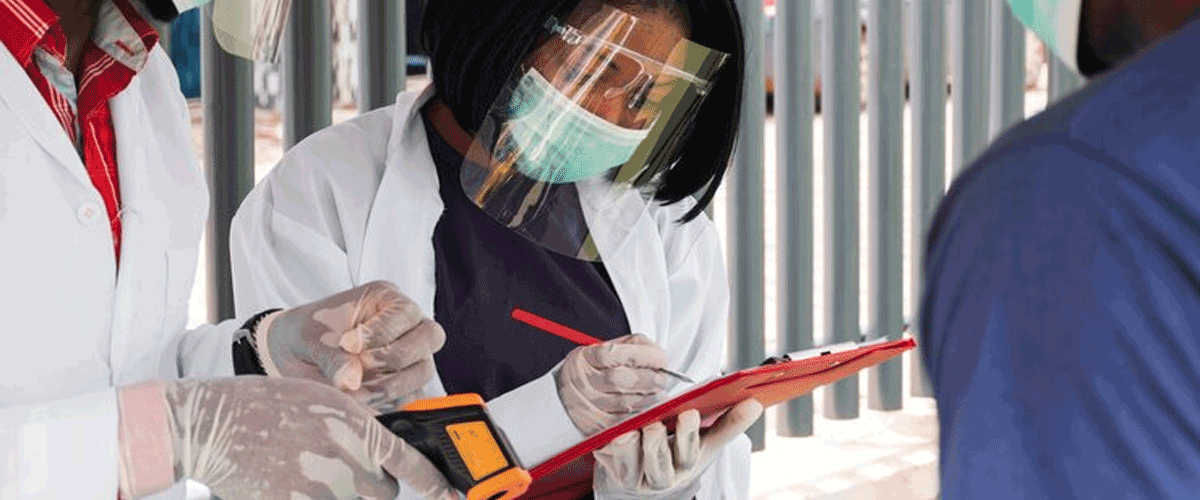
Ebola Response Shows Progress in Congo, but WHO Warns Outbreak Remains a Serious Threat
Efforts to control an Ebola outbreak in the Democratic Republic of Congo (DRC) are showing progress in some areas, although the World Health Organization (WHO) has warned that the situation remains serious.
The outbreak has particularly affected Ituri province, where response teams have been working to identify infections, trace contacts and expand vaccination efforts. However, the virus has also spread to a seventh province, while high population mobility continues to make surveillance and containment more difficult.
WHO officials reported that more than 3,000 frontline workers had received Merck's Ervebo vaccine as part of the response. The vaccine is established for protection against Zaire ebolavirus, but the current outbreak involves the Bundibugyo strain. Its effectiveness against this strain remains uncertain.
Researchers are therefore studying how existing vaccination approaches may perform against the virus responsible for the current outbreak. Congo's National Institute of Biomedical Research and international partners are involved in an observational study, while plans for a clinical trial are also being developed.
Additional vaccines specifically targeting the Bundibugyo strain are under development. Candidates from Moderna and the University of Oxford are among the approaches being investigated.
WHO has stressed that continued surveillance will be necessary as response activities progress. Increased testing and contact tracing could identify additional infections that have not yet been detected.
The outbreak has already resulted in thousands of confirmed cases and has become one of the most significant Ebola emergencies in recent years. Although declining case numbers in some locations indicate progress, health authorities continue to face challenges involving population movement, disease detection and access to adequate response resources.
WHO officials have therefore cautioned that substantial work remains before the outbreak can be considered fully controlled.
16-09-2026
📰 Recent News
- Research Highlights Role of Gentle Exercise in Managing Chronic Pain
- Study Explores How Yoga Practice May Influence Personal and Psychological Well-Being
- Study Links Movement Patterns With Different Psychological Symptoms
- New Scale Developed to Assess Anxiety-Related Checking and Avoidance in Pemphigus Patients
- AIIA and Territorial Army Begin Scientific Ashwagandha Plantation in Delhi
- 24-Week Clinical Trial Reports Favourable Safety Profile for Standardised Ashwagandha
- India Orders Action Against Illegal Nicotine Pouch Sales
- India Calls for Stronger Global Preparedness Against Future Pandemics
- SOAS and British Wheel of Yoga to Examine Yoga’s Energy Traditions and Modern Evidence
- Yoga Breathing Exercises Linked to Lower Stress and Better Sleep During Chemotherapy